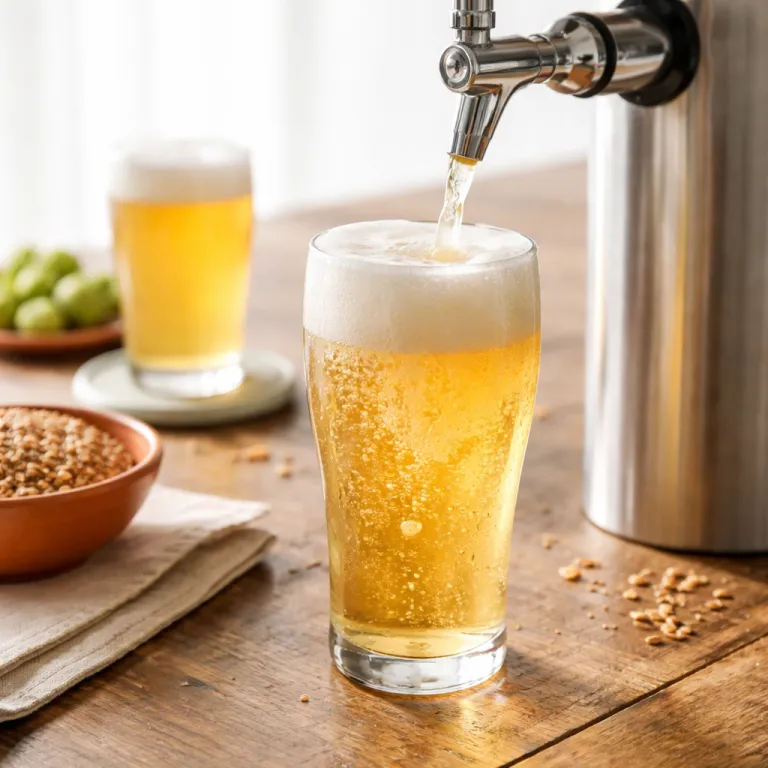
How lager went from background beer to headline trend
From default tap handle to deliberate choice
For a long time, lager was the beer you ordered when you didn’t want to think too hard. It sat on every bar, cold and familiar, while craft fans chased the latest double dry-hopped IPA. Yet quietly, lager kept doing what it does best : offering balance, drinkability, and consistency. As IPA fatigue set in for some drinkers, those qualities started to feel less boring and more like a relief.
Bars and breweries noticed. Instead of one generic “house lager”, tap lists now feature multiple options : pale lager, unfiltered kellerbier, Italian pilsner, dark lager. What used to be background is now a curated part of the menu, often with as much detail as the hop-forward beers that once stole the spotlight.
How craft brewers reclaimed a classic style
Craft brewers helped flip the script. Many of them cut their teeth on IPAs, then turned to lager as a way to prove technical skill. Lager is unforgiving ; any flaw shows. That challenge pushed breweries to invest in better equipment, longer tank time, and tighter quality control. The result : lagers that are cleaner, more expressive, and far more interesting than the mass-market versions many drinkers grew up with.
Within that shift, substyles have gained new attention. Dark lagers, for example, are being reintroduced as smooth, food-friendly options rather than heavy winter beers. If you want a good example of how nuanced they can be, this guide to a smooth dark lager worth slowing down for shows how roasty flavors and easy drinkability can coexist.
All of this has set the stage for lager to move from “just another tap handle” to the beer style driving new investments, new branding, and new expectations across the industry.
What the lager beer trend 2026 really means for brewers and breweries
Why lager’s rise is reshaping brewery strategy
For breweries, the lager surge is not just a style shift ; it is a business model reset. Lagers take longer to ferment and condition than most IPAs, which means more tank time and tighter capacity. Breweries that once chased rapid IPA releases now have to plan production schedules weeks further out, tying up stainless steel but aiming for higher consistency and broader appeal.
This changes portfolio planning. Many producers are trimming overlapping IPA variants and replacing them with a tight core of lagers : a clean pale lager, a fuller amber or Vienna style, and a richer dark option. Rotating seasonals still matter, but the flagship slot is increasingly a crisp, easy-drinking lager that can anchor taproom sales and grocery placements.
Margins, draft lines and the return of the “house lager”
The economics are shifting too. While hops remain important, lager recipes often rely less on expensive, trendy varieties and more on balance, process and quality malt. That can stabilize ingredient costs and make pricing more predictable. At the same time, bars and restaurants are rethinking draft lists, giving more permanent lines to a reliable “house lager” that sells all night instead of a rotating double IPA that moves in bursts.
This is where format strategy matters. Breweries investing in draft-friendly lagers are leaning into on-premise experiences, including options like a full-flavored lager keg for tap service. That supports higher volume, better freshness and stronger brand visibility at the bar.
In parallel, packaging lines are being tuned for lagers that can live as all-occasion beers : fridge staples, tailgate standbys and restaurant workhorses. The trend is pushing breweries to think less about hype cycles and more about dependable, repeatable drinking experiences.
How consumers taste lager now compared with the ipa boom years
From palate shock to subtlety
During the height of the IPA boom, many drinkers chased intensity above all else. Bitterness units, double dry-hopping, and “hazy juice bombs” became badges of honor. Today’s lager moment shows a shift : people still want flavor, but they also want balance, drinkability, and a beer that fits more occasions than just a Friday night hop blast.
Instead of asking “how bitter is it ?”, consumers are now asking :
- How clean is the finish ?
- Can I drink more than one without palate fatigue ?
- Does it pair well with food, not just bar snacks ?
New expectations for flavor and body
Modern lager fans are paying closer attention to texture and nuance. They notice whether a pilsner has a crisp snap or a soft, rounded malt body. They compare the gentle floral notes of noble hops with the punchy tropical aromas they remember from IPA. Many are surprised to find that a well-made helles or Italian pilsner can feel just as “craft” and expressive as the hazies they used to line up for.
This shift also overlaps with a broader interest in what’s actually in the glass. The same drinkers who read labels for hop varieties now look at ABV, residual sweetness, and even calorie counts. Articles that break down what you really drink with each can of a popular flavored malt beverage sit right alongside guides to classic Czech or German styles in their search history.
Sessionability and social drinking
As lager steps into the spotlight, “sessionability” has become a key value. People want beers that work for long dinners, backyard parties, and sports nights. Where IPA once dominated the conversation, lager now sets the tone : flavorful enough to be interesting, but restrained enough to keep the focus on the moment, not just the beer.
Packaging, branding and beer quality in the new lager wave
Why lager cans and bottles suddenly look so sharp
The new lager wave is as much a visual shift as a flavor shift. Where IPA branding leaned into chaos – neon colors, cartoon hops, and tongue-in-cheek names – modern lager packaging is cleaner, calmer, and more confident.
Breweries have realized that if they want lager to be an everyday, go-to choice, the can or bottle has to signal reliability and refreshment at a glance. That means:
- Simple color palettes, often built around one or two core colors
- Readable typography instead of dense, stylized fonts
- Clear style cues (pils, helles, export, rice lager) on the front panel
- Subtle nods to heritage – crests, dates, or classic shapes – without looking dusty
This shift mirrors how drinkers now talk about lager. As people pay more attention to balance, bitterness, and drinkability, they also expect the label to communicate those qualities quickly. A restrained design suggests a restrained, well-made beer.
How branding now signals quality and intent
Quality cues are moving from the back label to the front. Brewers highlight cold fermentation, extended lagering time, and specific malt or hop varieties right where your eye lands first. Instead of shouting about extreme ABV or bitterness, the message is about precision and process.
Format choices reinforce this. Slim cans and classic longnecks are back in rotation, especially for pilsners and light lagers, while short, stubby bottles are used to signal more characterful or unfiltered versions. Multipack design has become a battlefield of its own, with cohesive artwork across 6- and 12-packs that turns the fridge door into a billboard.
All of this supports the broader trend : lager is being positioned not as a compromise, but as the polished, intentional choice for drinkers who care about both taste and presentation.
What industry experts say about the future of lager and beer trends
What brewers and consultants are watching next
Ask people who make a living reading beer trends, and they will tell you the lager wave is not a blip. Analysts point to the same drivers you see at the bar : drinkers want clarity, balance, and beers they can enjoy over a whole evening. That means more space for well-made pale lagers, but also for characterful styles like Czech-inspired pilsners and unfiltered kellerbiers.
Consultants working with regional breweries say the winners will be those who treat lager as a long-term pillar, not a seasonal experiment. That includes investing in tank time, cold-side quality control, and yeast management. Many expect breweries that once chased every IPA substyle to narrow their range and put more resources behind two or three core lagers.
How style lines and categories may shift
Industry judges and competition organizers already report fuller lager categories and thinner IPA flights. Some predict that “cold IPA” and “India pale lager” will either fade or evolve into clearer families of hoppy lagers, sitting between classic pilsner and modern pale ale. The shared view : bitterness will stay, but it will be wrapped in cleaner fermentation profiles and lower sweetness.
Retail buyers echo this. They expect shelf sets to rebalance, with fewer one-off hazy cans and more permanent lager placements in both single-serve and multipack formats. Draft programs, especially in neighborhood bars and restaurants, are likely to lean on a dependable house lager as the volume engine, with rotating taps playing a supporting role.
Long-term expectations for drinker behavior
Most experts agree that the next phase of beer is about reliability and moderation. That does not mean the end of IPA ; it means IPA shares the stage with lager as an equal, while drinkers reward breweries that can make both styles with precision and consistency.