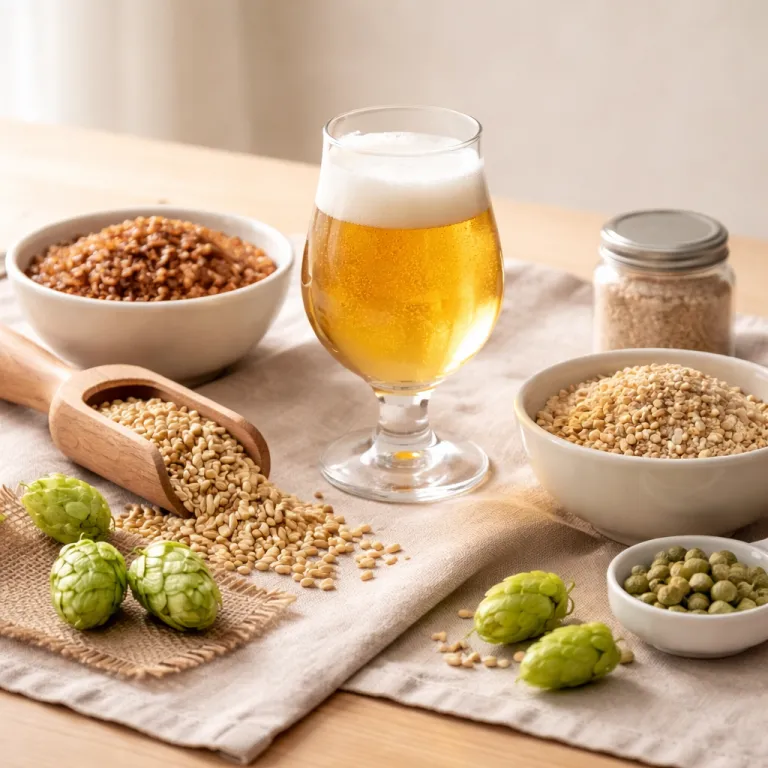

Why learning how to taste beer like a pro changes everything
Why paying attention to beer changes every sip
Most people drink beer on autopilot. You open the bottle, take a sip, and move on. Learning to taste beer like a pro slows everything down in the best possible way. Instead of “just a lager” or “some IPA”, you start noticing layers of flavor, texture, and aroma you never knew were there.
This does not mean turning into a snob or memorizing endless jargon. It means training your senses so each pint becomes more interesting, whether you are at home, at a bar, or visiting a brewery. Once you understand how to look, smell, and taste with intention, you will get more value and pleasure from every glass.
From “I like it” to understanding why you like it
When you taste beer with a bit of structure, you move beyond “good” or “bad”. You start asking : Is it bitter or sweet ? Light or full-bodied ? Dry or malty ? Learning what makes a beer feel dry on the palate or what gives it a creamy mouthfeel helps you understand your own preferences.
This is powerful. It means you can walk into any bar, read a menu, and confidently pick something you are likely to enjoy. It also makes conversations with bartenders and friends more fun and precise.
Building your own beer journey
Once you start tasting with intention, everything else opens up. You will care more about the right glass and serving temperature, you will pay closer attention to aroma and flavor, and you will naturally become curious about different styles and food pairings. Over time, you will build your own beer adventure, guided by your senses rather than trends or labels.
Setting up your beer tasting : glass, temperature and first look
Creating the right tasting environment
Professional-level tasting starts long before the first sip. Choose a calm, well-lit place with minimal distractions. Strong smells from candles, cooking, or perfume can mask delicate aromas, so keep the air as neutral as possible. Natural light is ideal to judge color and clarity accurately.
Choosing the best glass for the beer
You do not need a cupboard full of specialized glassware, but shape matters. A tulip or stemmed glass works wonderfully for most tastings : it concentrates aromas and lets you swirl without spilling. For hop-forward beers, a narrower opening helps focus those citrusy or piney notes. Whatever you use, make sure the glass is spotless, well-rinsed, and free of detergent residue, which can kill foam and alter flavor.
Serving temperature that reveals, not hides
Temperature can make a beer shine or fall flat. Very cold beer mutes aroma and flavor, while overly warm beer can taste heavy or boozy. As a rule of thumb, lighter lagers and crisp wheat beers like it cooler, while darker or stronger styles open up a bit warmer. For a deeper dive into this topic, this guide on finding the perfect temperature for enjoying beer is a helpful reference when you plan your tastings.
First visual check before you sip
Once poured, take a moment to really look at the beer. Note the color : pale straw, deep amber, inky black. Check the clarity : brilliantly clear, hazy, or opaque. Observe the head : how thick is it, how long does it last, what is the texture of the foam ? This quick visual scan prepares your brain for the aromas and flavors you will explore next and makes later comparisons between styles much easier.
How to read beer aroma and flavors like a pro
Training your nose before your first sip
Professional tasters start with aroma because most of what we call “taste” is actually smell. Before you drink, swirl the glass gently and take a few short sniffs with your mouth slightly open. This helps volatile compounds reach your olfactory receptors.
Try to separate what you smell into broad families :
- Malt notes : bread, biscuit, caramel, toast, chocolate, coffee
- Hop notes : floral, citrus, pine, resin, tropical fruit, herbal
- Yeast notes : banana, clove, pepper, stone fruit, bubblegum, funk
- Other notes : roast, smoke, oak, vanilla, alcohol warmth
Barrel-aged beers, for instance, can show layers of vanilla, coconut, charred oak and even bourbon-like sweetness. If that style intrigues you, this guide on the allure of beer barrel bourbon character will give you more context for what you are smelling.
Breaking down flavor like a tasting grid
Now take a sip and let it coat your tongue. Think in three steps :
- Entry : first impression, sweetness, carbonation bite
- Mid-palate : main flavors (malt, hops, yeast), balance between sweet and bitter
- Finish : aftertaste, bitterness length, dryness or lingering sweetness
Notice basic tastes : sweet (malt), bitter (hops), sour (acidity), and sometimes a touch of salt or umami. Then add texture : light or full body, creamy or crisp, low or high carbonation.
Building your personal flavor vocabulary
Instead of chasing “correct” terms, relate flavors to your own experiences : breakfast toast, lemon zest, dark chocolate, overripe mango. The more you taste different styles and pay attention to these details, the easier it becomes to compare beers and, later, match them with food in a way that feels natural rather than pretentious.
Comparing beer styles and pairing beer with food
Recognizing what makes each style stand out
When you taste like a pro, you are not just sipping a random beer ; you are comparing it to what that style is meant to be. A crisp pilsner should feel light, snappy and clean. A stout will be darker, fuller and often roasty. An IPA usually leans on hop aroma and bitterness, while a wheat beer brings softness and a bready, sometimes spicy character.
As you taste, ask yourself :
- Is this beer light, medium or full-bodied ?
- Is the finish dry, sweet, or somewhere in between ?
- Where do the main flavors sit : malt, hops, yeast, or extras (fruit, spices, barrel) ?
Use the same steps you use when judging appearance, aroma and flavor, but mentally group beers by style. Over time, you will build a mental library of what “typical” looks like for each style, which makes it easier to spot something special.
Simple rules for pairing beer and food
Pairing beer with food is less about strict rules and more about balance. Still, a few guidelines help :
- Match intensity : light beers with delicate dishes, bold beers with rich food.
- Complement : malty beers with roasted meats, caramelized vegetables or grilled dishes.
- Contrast : bitter or highly carbonated beers with fatty, creamy or fried foods.
- Handle heat : lower-alcohol, slightly sweet beers can soften spicy dishes, while very bitter beers may amplify heat.
Try a crisp lager with seafood, a hoppy pale ale with burgers or tacos, a rich stout with chocolate dessert, and a tart sour with goat cheese or salads. Use the same mindful tasting approach you apply to individual beers : notice how the beer changes the food, and how the food changes the beer. That is how you quietly start pairing like a pro, without ever needing fancy jargon.
Practical tasting tips, common mistakes and how to build your own beer adventure
Habits that quietly ruin a good tasting
Even with the right glassware and serving temperature, a few small habits can throw off your tasting. Avoid chewing gum or brushing your teeth right before drinking ; mint overwhelms subtle flavors. Strong perfumes, scented candles, or cooking smells can also mask aromas, so keep your tasting space as neutral as possible. And try not to jump between wildly different styles too fast ; going from an imperial stout to a delicate pilsner will make the lighter beer seem bland.
Simple routines that sharpen your palate
Build a quick ritual each time you taste :
- Look at the beer and note color, clarity, and foam.
- Swirl gently and take two or three short sniffs.
- Take a small sip, hold it in your mouth, and breathe out through your nose.
- Take a second sip to confirm what you noticed.
Repeating this process trains your brain to link what you see, smell, and taste. Over time, you will recognize patterns across styles and breweries.
Keeping a low-pressure tasting journal
You do not need fancy forms. A simple notebook or notes app is enough. For each beer, jot down :
- Beer name, brewery, and style
- Where and when you tasted it
- Three words for aroma and three for flavor
- A quick food idea you think would match
- A score out of ten based on how much you enjoyed it
Use your notes to plan your next steps : more of the styles you loved, a deeper dive into one brewery, or a themed night with friends. Your “beer adventure” becomes a series of small, fun experiments instead of a test you have to pass.