
How mickey s big mouth became a malt liquor icon
From budget brew to cult favorite
Mickey’s Big Mouth started out as a straightforward value malt liquor, aimed at drinkers who wanted maximum punch for minimum cash. It was never marketed as refined or sophisticated. Instead, it leaned into being bold, slightly rowdy, and easy to pass around at parties, tailgates, and late-night hangouts. That unpretentious attitude helped it stand out in a market full of lookalike lagers and forgettable malt liquors.
As the brand spread, it picked up a loyal following among college students, blue-collar drinkers, and anyone who appreciated a no-nonsense, high-ABV option. Mickey’s Big Mouth became the kind of beer you remembered from your first apartment fridge, your garage band rehearsals, or that one legendary camping trip. Over time, those memories turned a cheap malt liquor into a nostalgic icon.
Marketing, mystique, and the party image
The brand’s image was built on a mix of playful mischief and tough-guy edge. Ads and packaging leaned into a slightly rebellious vibe, positioning Mickey’s Big Mouth as the beer for people who didn’t take themselves too seriously. That identity made it a natural fit for house parties and backyard barbecues, where the goal was fun, not finesse.
Its rise also coincided with the growing popularity of keeping a dedicated beer fridge or mini cooler at home. Mickey’s Big Mouth was exactly the kind of beer people would stock deep in those fridges: affordable, shareable, and instantly recognizable. That visibility in everyday drinking spaces helped cement its status as a malt liquor staple, setting the stage for its distinctive bottle design, flavor profile, and lasting place in American beer culture explored later in this article.
Why the green barrel shaped bottle and big mouth top mattered
The look that jumped off the shelf
Before you even cracked one open, Mickey’s announced itself from across the store. While most malt liquors leaned on tall, brown bottles or basic cans, this one showed up in a squat, green, barrel-shaped bottle that looked more like a prop from a speakeasy than a budget buzz. That shape did two things at once : it made the bottle easy to grip and instantly recognizable in a crowded cooler.
The green glass added another layer of attitude. It hinted at something a bit more premium than the price suggested, and under bar lights it almost glowed. For a lot of drinkers, that color became shorthand for a certain kind of night out : loud music, cheap pitchers, and a few “grenades” of Mickey’s passed around the table.
Why the wide mouth changed the way people drank it
The big mouth top was more than a gimmick. Compared with standard longnecks, the wider opening meant a faster pour and a fuller hit of aroma. You could take bigger swigs, which fit perfectly with the brand’s rough‑around‑the‑edges image. It also made Mickey’s a natural for quick pre‑game sessions, house parties, and parking‑lot tailgates.
That distinctive cap and bottle turned into a kind of social signal. If someone showed up with a six‑pack of those green barrels, you knew the night was not going to be about slow sipping and tasting notes. It was about stories, jokes, and maybe a little chaos.
Because the packaging was so iconic, it also crossed over into bar décor and home collections. Vintage Mickey’s pieces sit comfortably alongside other retro beer signs for man caves and home bars, reinforcing how much the bottle itself became part of American beer nostalgia.
Tasting mickey s big mouth malt liquor compared with other malt liquors
How mickey’s big mouth actually tastes
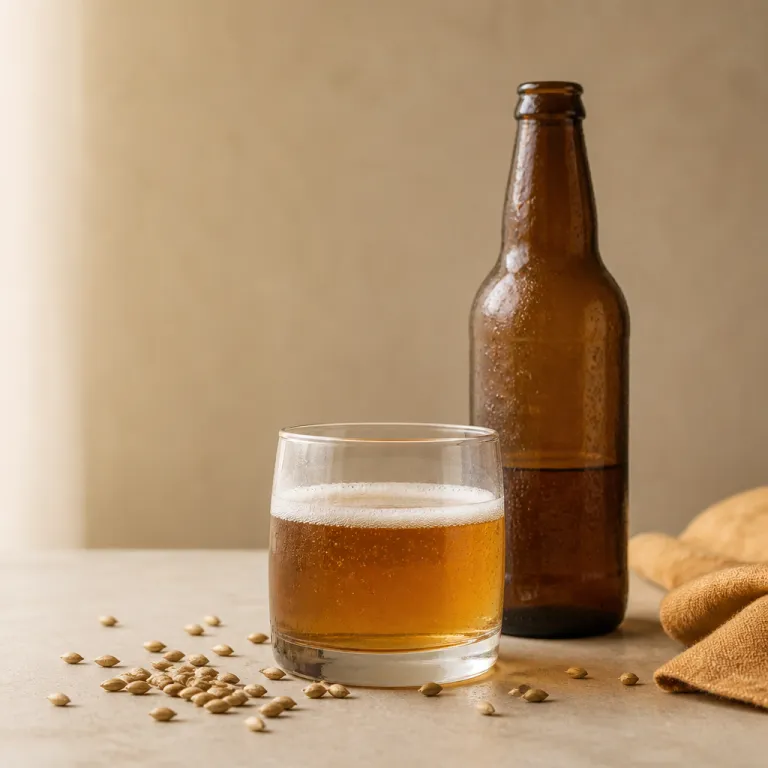
Pour mickey’s big mouth into a glass and you immediately get that classic malt liquor look : bright gold, with a fast-fading white head. The aroma leans sweet and grainy, with corn, light bread crust, and a faint alcohol note. It is not subtle, but it is honest about what it is.
On the palate, the first impression is sweetness. Think corn syrup, white bread, and a touch of honey, backed by a medium body and a noticeable alcohol warmth. Bitterness is low, just enough to keep it from feeling like straight sugar water. The finish is short, slightly sticky, and a bit boozy, especially as it warms.
How it stacks up against other malt liquors
Compared with many mainstream malt liquors, mickey’s big mouth often feels a bit fuller and rounder. Some competitors push the alcohol edge harder, with sharper fusel notes and a harsher finish. Mickey’s tends to sit in the middle : clearly strong, but not punishing.
- Versus lighter malt liquors : mickey’s is sweeter, heavier, and more warming, with less carbonation bite.
- Versus the real bruisers : it is more approachable, with fewer solvent-like notes and a smoother mid-palate.
That balance is part of why it became such a fixture in the stories and memories tied to the brand. It is bold enough to feel like an occasion, yet easy enough to drink that it could fuel long nights and backyard hangs.
If you are into comparing labels from that era, lining up a few malt liquors side by side with some retro beer collectibles nearby can really highlight how mickey’s flavor and image carved out its own lane in the malt liquor world.
Mickey s big mouth in american beer culture and personal stories
The beer that showed up to every party
For a lot of drinkers, Mickey’s Big Mouth isn’t just a malt liquor ; it is the bottle that sat in the middle of the coffee table at house parties, tailgates, and garage jam sessions. The squat green glass and wide opening made it easy to pass around, and that alone turned it into a kind of social glue. You did not just crack one for yourself ; you opened it knowing someone else would ask for a sip.
Because it was cheap and strong, Mickey’s often became the unofficial sponsor of first apartments, college weekends, and late-night card games. People remember the clink of those barrel-shaped bottles as clearly as the music that was playing. In photos from those nights, the label is almost always somewhere in the background, like an extra character in the story.
Nostalgia in a green bottle
Ask longtime fans what Mickey’s tastes like, and they will usually start by telling a story instead of listing flavor notes. The aroma of sweet grain and alcohol takes them back to parking lot hangs before concerts, or to that one friend who always showed up with a plastic bag full of Big Mouths. Even if they now drink craft lagers or hazy IPAs, they keep a soft spot for the brand because it represents a specific era of their lives.
In American beer culture, Mickey’s sits in the same mental space as mixtapes, thrift-store flannels, and beat-up sneakers. It is not about refinement ; it is about shared experience. The beer’s identity, from the bold malt profile to the unmistakable bottle, helped shape how a generation thought about “getting a buzz” together, long before they learned to talk about hop varieties or barrel aging.
Who brews mickey s big mouth today and how to view the brand in the wider beer market
Who actually makes mickey’s big mouth now
Like most long‑running malt liquor brands, Mickey’s has changed corporate hands more than once. Today it sits inside a major beer portfolio, sharing shelf space with light lagers, flavored extensions, and a rotating cast of “hard” beverages. That means Mickey’s is no longer a scrappy regional upstart ; it is a legacy label managed by big‑company brand teams and national distributors.
From a drinker’s point of view, that has pros and cons. On the plus side, large‑scale ownership usually guarantees consistent production, wide availability in many states, and pricing that stays aggressively affordable. On the downside, Mickey’s is rarely the star of the show in marketing decks. It tends to be treated as a steady, low‑maintenance workhorse rather than a brand getting fresh campaigns or experimental variants.
How the brand fits into today’s beer shelves
Walk into a modern beer aisle and you will see three big forces competing for attention :
- macro lagers and legacy malt liquors
- craft IPAs, sours, and seasonal specialties
- flavored malt beverages, hard seltzers, and canned cocktails
Mickey’s lives in that first group, but its green barrel bottle and “big mouth” identity give it more personality than many value malt liquors. It functions as a bridge between old‑school drinking culture and today’s crowded shelves : cheap enough for budget shoppers, nostalgic enough for longtime fans, and visually distinctive enough to catch the eye of curious younger drinkers.
How to think about mickey’s in the wider beer market
If you are a craft‑focused drinker, Mickey’s is not trying to compete with your hazy IPA. Instead, it occupies a different lane : a throwback malt liquor that delivers a specific, unapologetic experience. In a market obsessed with novelty, that kind of consistency can be oddly refreshing. Treat it as a cultural artifact that still happens to be in production, and as a reliable, no‑frills option when you want something cold, strong, and familiar.