Types of beer tap handles and what they say about your bar
Classic shapes and what they signal
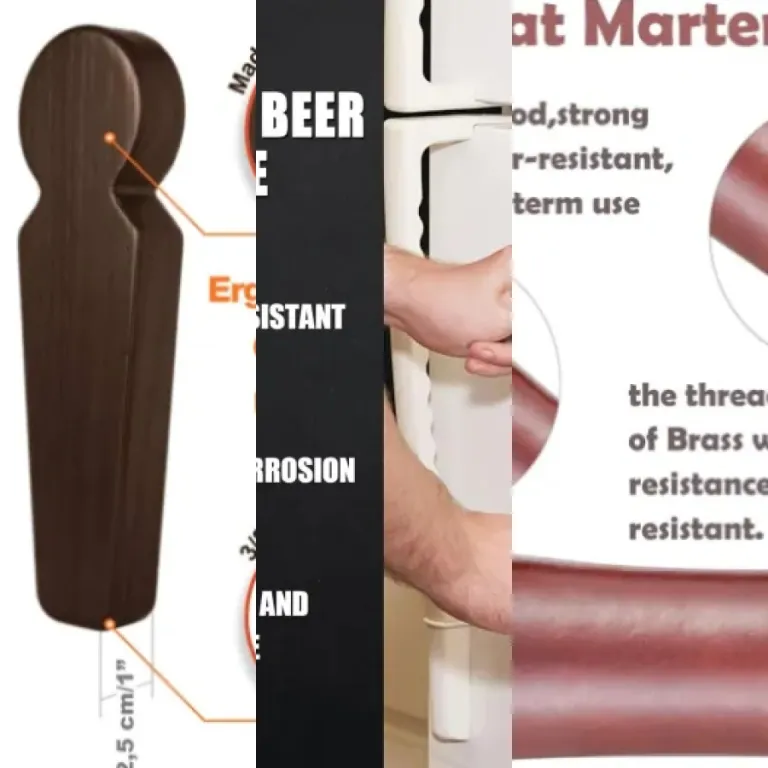
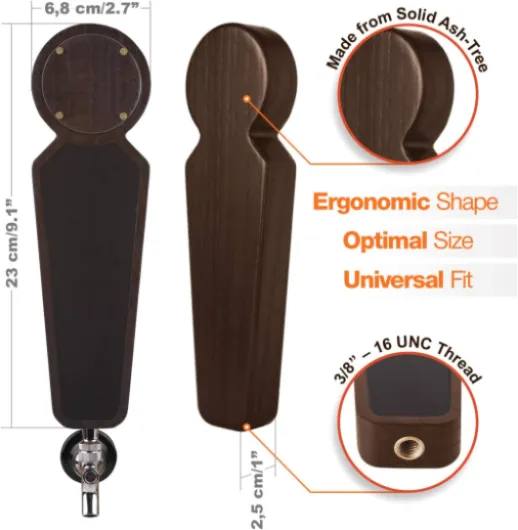
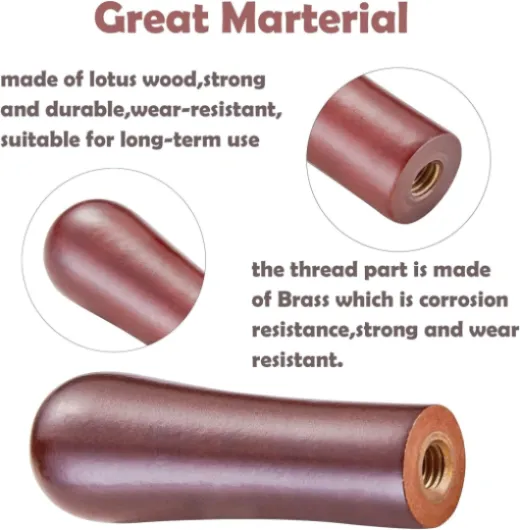
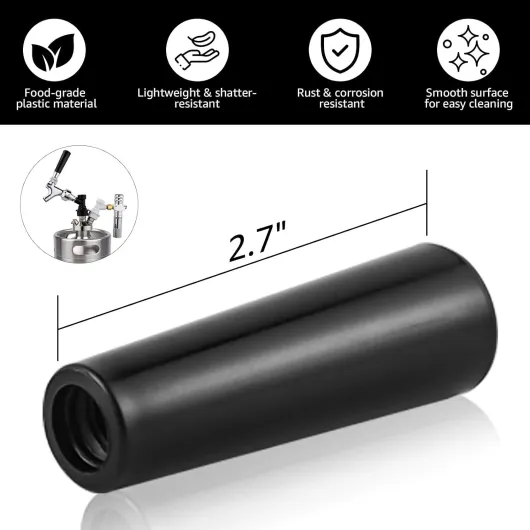
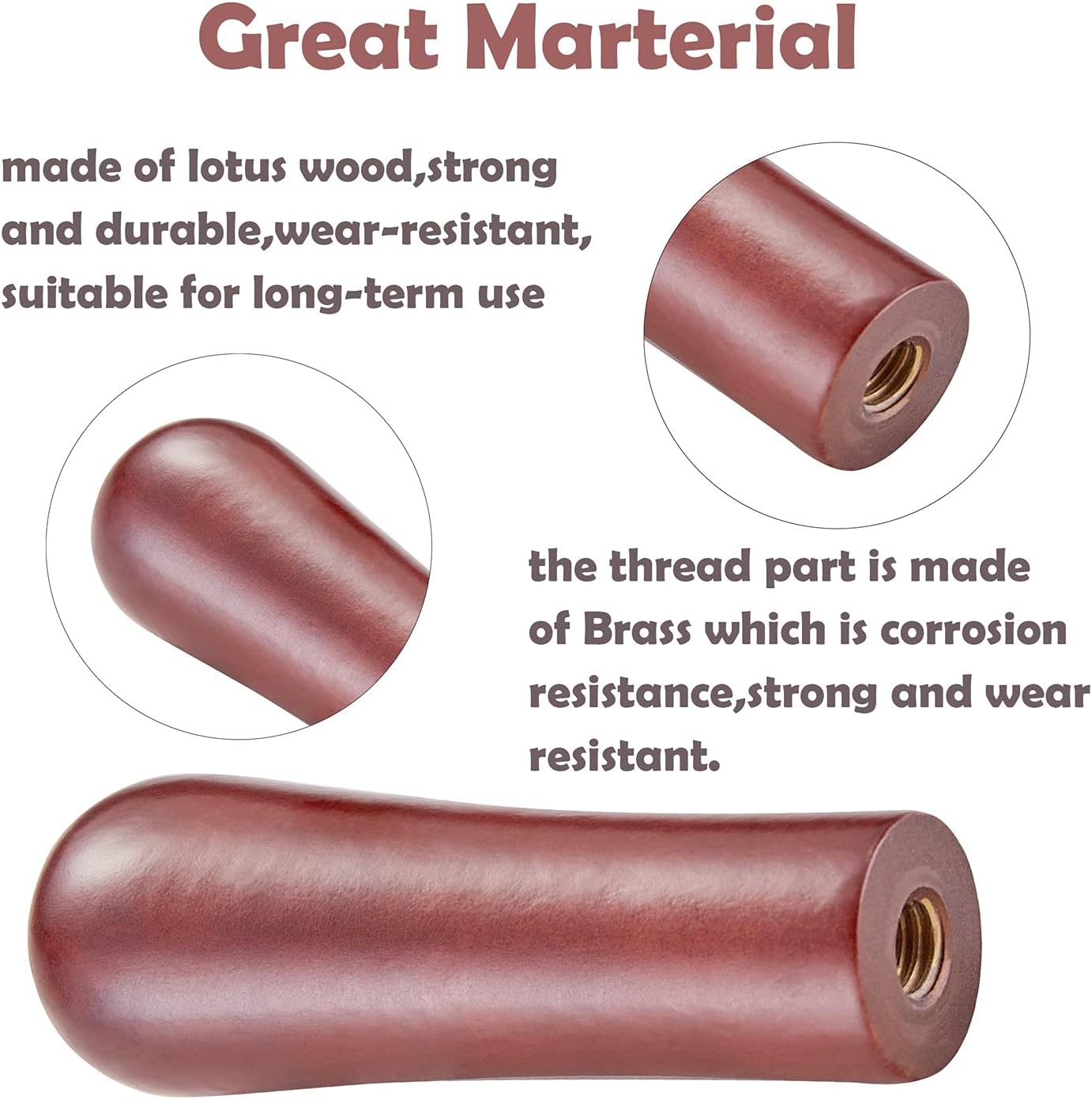
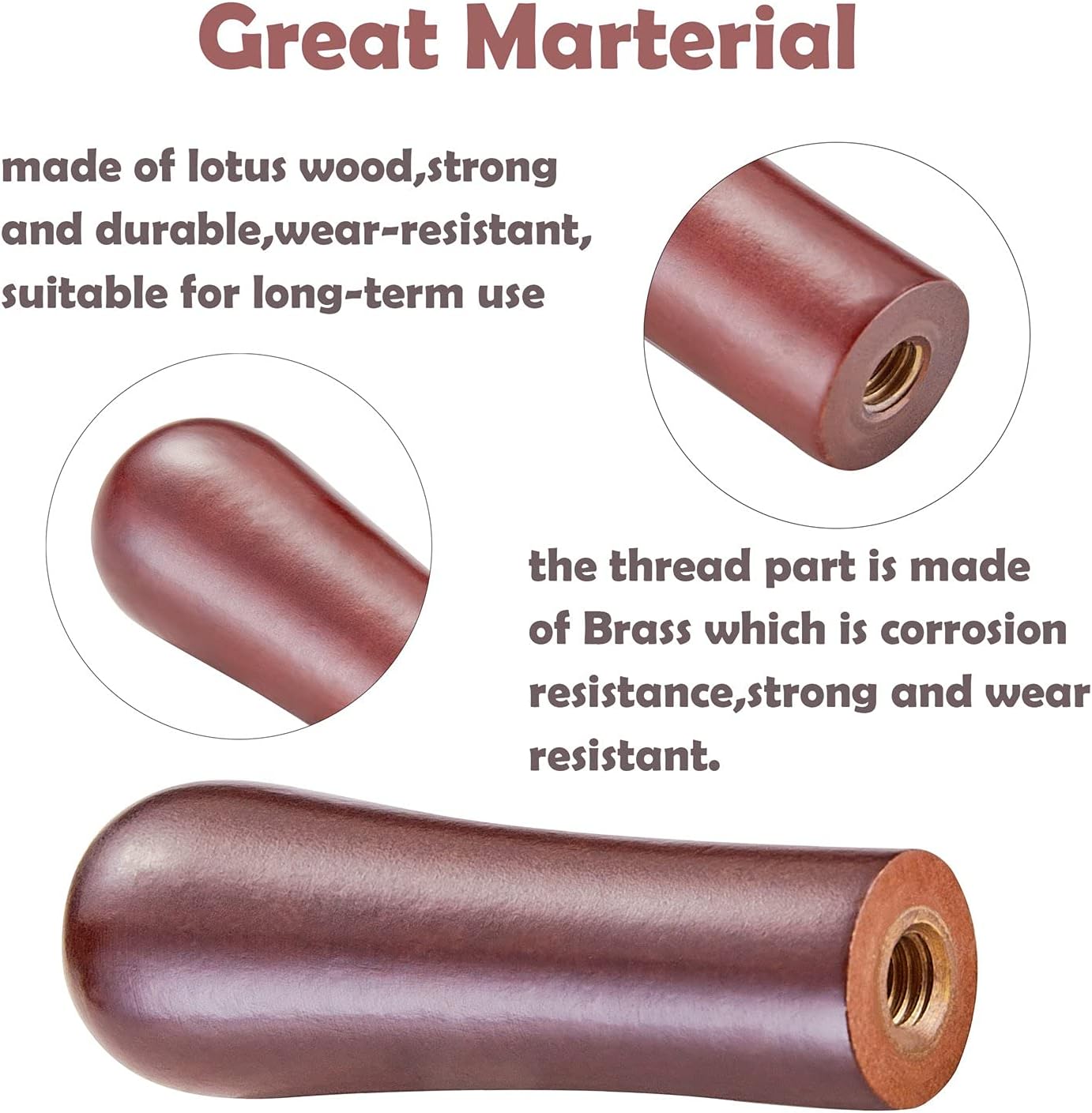
Traditional tap handles tend to be straight, wooden or resin shapes with a simple logo badge. They are easy to grab, easy to clean, and instantly readable from across the bar. A row of these classic handles tells guests your place focuses on efficiency, consistency, and a broad, rotating selection rather than flashy gimmicks.
Within this category, subtle differences matter. A tall, slim handle with clean typography suggests a modern, craft-forward bar. A shorter, chunky wooden handle with engraved branding leans more toward heritage, comfort, and a pub atmosphere.
Novelty handles and the story they tell
Oversized mascots, sculpted hop cones, baseball bats, or surfboards – novelty handles are visual magnets. They say your bar is playful, social, and not afraid to have fun with its beer list. Used sparingly, they highlight key pours you want guests to ask about. Used everywhere, they can make your line look chaotic and harder to read.
Think about your clientele. A sports bar can lean into themed handles that match game nights. A neighborhood craft bar might reserve one or two bold pieces for limited releases, while keeping the rest more restrained.
Premium materials and perceived quality
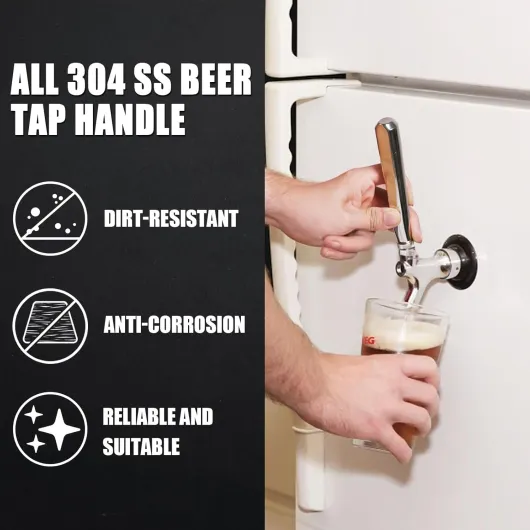
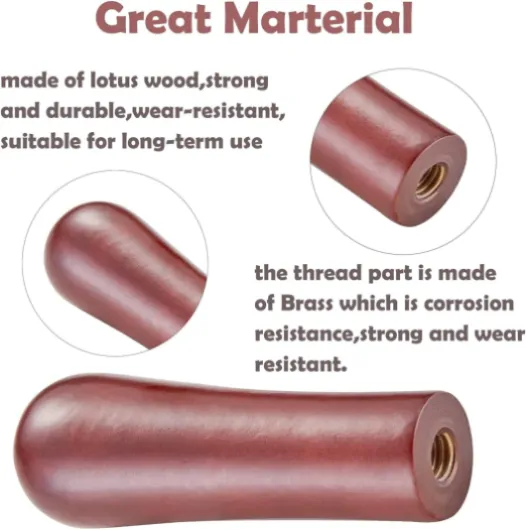
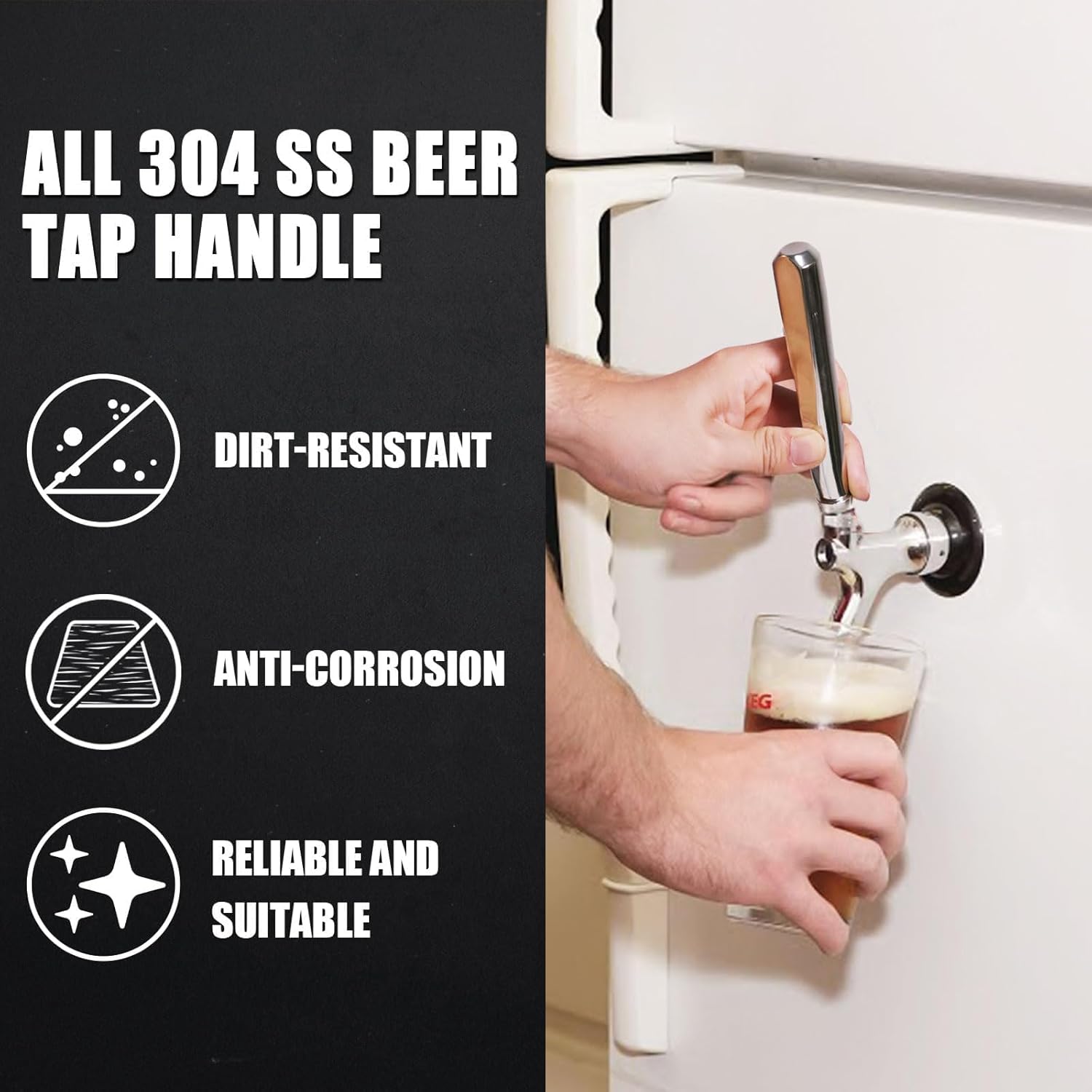
Metal, leather wraps, and high-end wood finishes immediately raise expectations about what is in the glass. These handles suggest care, investment, and a curated list. They pair well with a shorter but carefully chosen draft menu.
If you are comparing options, browsing a curated selection of top beer tap handles can help you see how materials, shapes, and branding work together. The right mix lets guests read your bar’s personality at a glance, before they even take a sip.
How brands use tap handles, lights and displays to win space on the bar
How visual presence on the bar shapes customer choices
When a guest scans the bar, they rarely read a full tap list first. Their eyes jump to whatever stands out : bold shapes, bright colors, moving lights. That is why brands invest heavily in tap handles, illuminated plaques, and small displays. These elements work together to grab attention in the split second when someone decides what to order.
A tall, sculpted handle or a branded light box does more than look pretty. It signals personality : classic, crafty, playful, or premium. For a bar, this visual language helps guide customers toward the beers you want to push, just like your glassware and layout support the overall experience.
From tap handle to mini billboard
Think of each tap as a tiny billboard. Breweries use distinctive shapes, textures, and colors to make their handle instantly recognizable, even from across the room. Add a small LED sign or a branded chalkboard, and you create a mini “zone” for that beer on the bar top.
Retro-inspired brands often go further with themed props, metal plaques, or neon-style lights. If you like that nostalgic look, browsing curated vintage beer bar accessories can spark ideas for your own setup and help you keep a coherent style.
Balancing brand power and your bar identity
There is a trade-off. Give too much space to one brand’s displays and your bar can start to feel like their showroom. The key is to use branded tap handles and lights that support your concept, not overwhelm it. Combine a few high-impact pieces with simpler handles, and arrange them so your most profitable or signature beers sit in the most visible positions along the line.
Practical tips to choose the best beer tap handles for your bar or home setup
Match your tap handles to your space and audience
Start by looking at your bar or home setup as a whole. A sleek stainless draft tower pairs well with minimalist, modern handles, while a rustic wooden bar calls for natural materials and warmer tones. Think about who you serve : sports fans, craft geeks, casual drinkers, or family gatherings at home. Your handles should instantly signal the vibe and price point of your beer lineup.
Balance ergonomics and visual impact
Tap handles are tools first, decoration second. Choose shapes that are easy to grip and pull, especially in a busy service where staff are pouring hundreds of pints. Avoid overly top-heavy designs that wobble or twist. Test height and spacing so bartenders can see labels at a glance without knocking handles together. At home, make sure handles clear shelves, cabinets, or wall-mounted glass racks.
Prioritize clear labeling and rotation flexibility
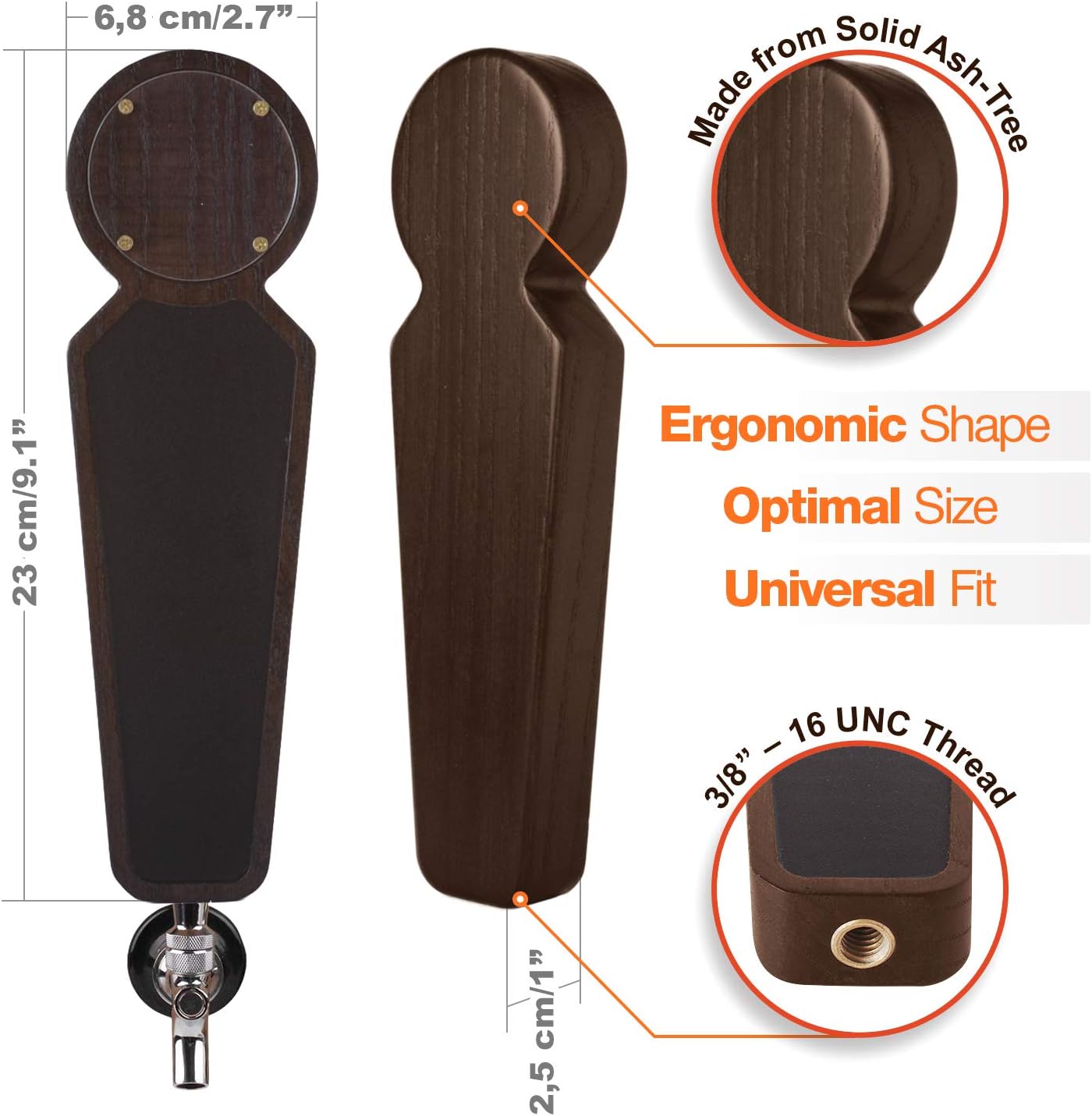
Whether you pour macro lagers or rotating craft taps, clarity is key. Use handles with interchangeable labels, chalkboard panels, or magnetic badges so you can update beers without buying new hardware every time. Make sure fonts are legible from across the bar and that styles (IPA, stout, lager) are obvious. This reduces “What is that one ?” questions and speeds up ordering.
Set a realistic budget and maintenance plan
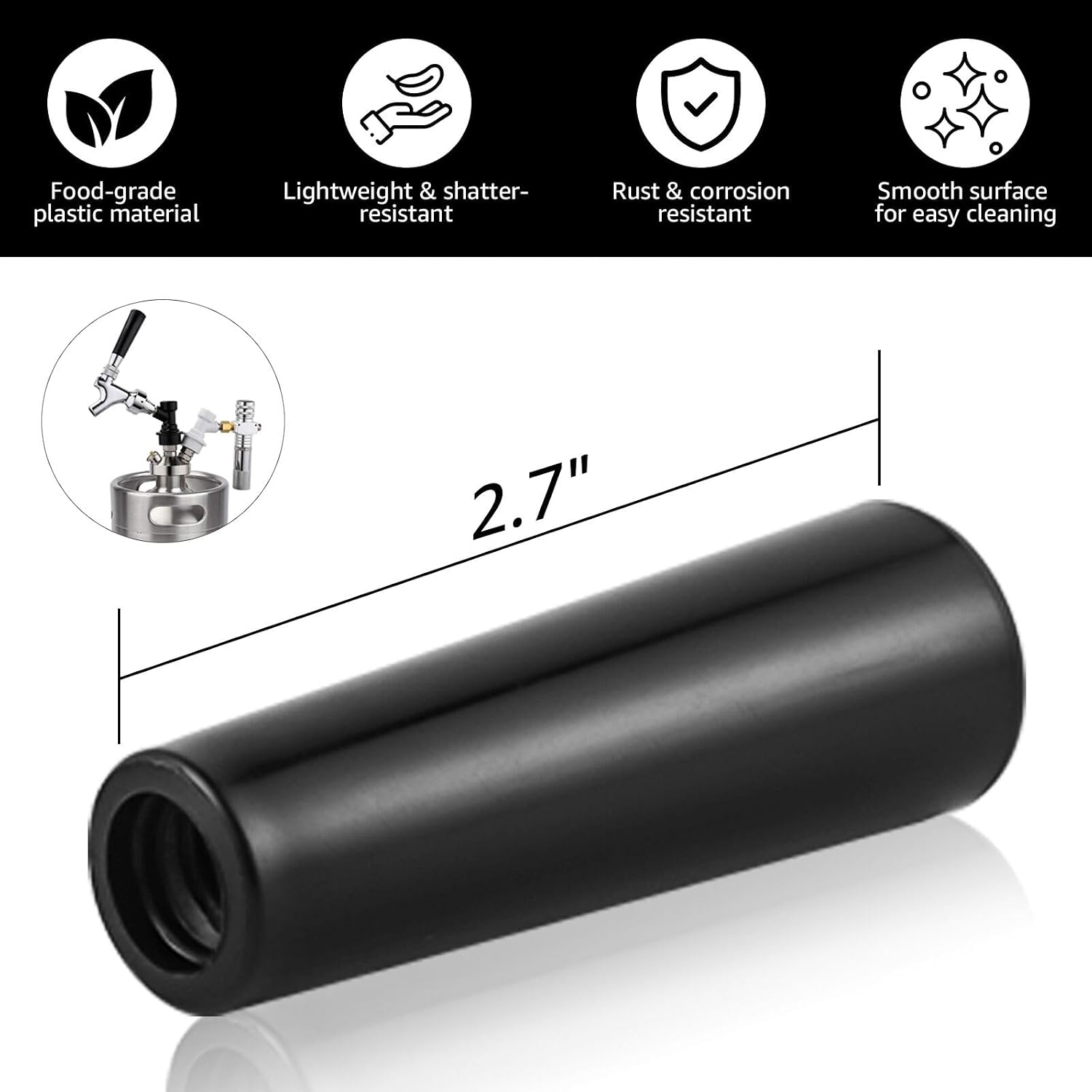
Mix statement pieces with more affordable generic handles. Reserve custom or branded handles for your best sellers, and use simple, durable options for slower lines or experimental kegs. Factor in cleaning : smooth finishes and sealed wood are easier to wipe down than intricate carvings that trap sticky beer. Keep a small box of spare ferrules, screws, and washers so you can fix loose handles quickly without taking a line offline.
Real use cases : from DIY beer taps at home to a busy bar line
Homebrewer turning a spare room into a tap corner
Imagine a homebrewer with two kegs, a small fridge and a tight budget. Instead of buying a full commercial draft tower, they start with simple wooden tap handles. Each handle is labeled with a clear, handwritten beer name and style. Over time, they upgrade to slightly taller handles with interchangeable labels.
The result ? Guests instantly know what is on tap, and the brewer can rotate beers without redoing the whole setup. The handles become part of the story of each batch, not just a way to pour.
Small neighborhood bar refining a crowded tap line
A neighborhood bar with twelve taps was struggling with “choice overload”. Customers kept asking the staff to repeat what was on draft. The owner switched from a random mix of handles to a more structured approach :
- Shorter, uniform handles for core lagers and pilsners
- Taller, more expressive handles for seasonal and high-margin craft beers
- Consistent color coding for styles (pale, dark, sour, hoppy)
Within weeks, staff spent less time explaining the lineup, and sales of the highlighted seasonal beers increased. The tap wall looked cleaner, and regulars started ordering by pointing at specific handles.
Busy craft-focused bar balancing brands and identity
A busy craft bar wanted to feature brewery-branded handles without losing its own visual identity. They created a rule : branded handles are allowed, but must fit within a defined height range and be grouped by style. The bar added a few custom handles for its “house favorites” to stand out among the brands.
This balance kept suppliers happy, made the tap line readable at a glance and reinforced the bar’s personality, all while improving speed of service during rush hours.