How west coast ipa grew from california obsession to global beer style
From local coastal pint to defining craft beer symbol
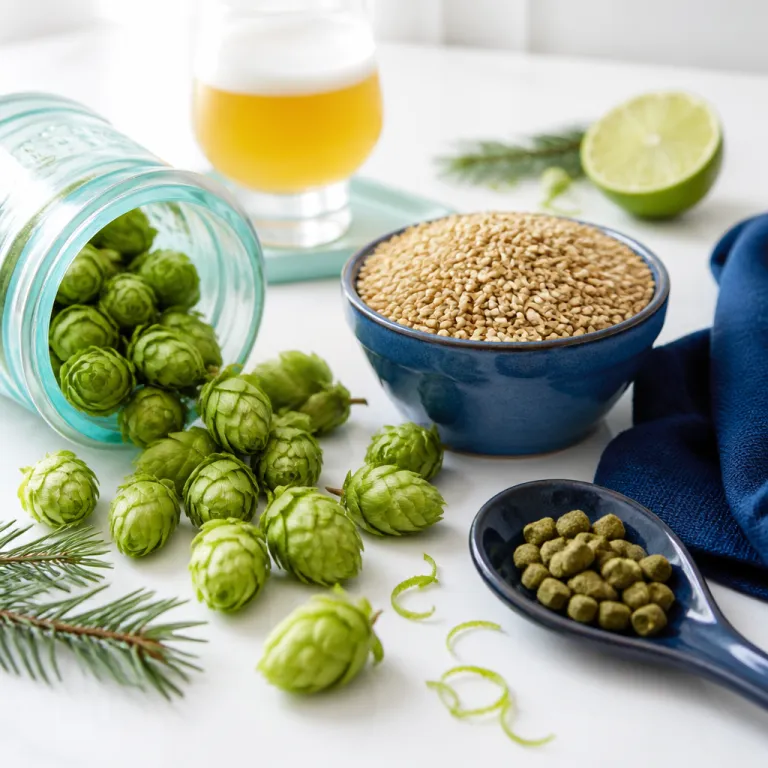
West coast IPA began as a regional obsession along the Pacific shoreline, especially in California taprooms where brewers pushed hop character further than most drinkers had ever tasted. Early versions were simply pale ales turned up a notch ; more bitterness, more aroma, more citrus and pine. As local fans embraced these bold, resinous beers, breweries started to treat “IPA” as a canvas for showcasing American hop varieties rather than just echoing British traditions.
The style spread quickly through beer festivals, bottle shops, and word of mouth. Travellers took memories of those bright, bitter pints back home, and soon breweries across the United States were chasing that same crisp, dry, hop-forward profile. Importers and craft-focused bars in Europe and beyond followed, making west coast IPA a global reference point for what “hoppy” beer could be.
As it travelled, the style sharpened into something more clearly defined. Brewers dialled in firm bitterness, a clean fermentation profile, and a lean malt bill that let grapefruit, pine, and dank notes shine. That clear identity is what later trends, like hazy and juicy IPAs, would react against and reinterpret.
Today, west coast IPA is both a classic and a living style. New breweries still use it to show their hop skills, while long-time fans compare fresh releases to the benchmark beers that first hooked them. If you want to trace how your own palate responds to bitterness and hop aroma, trying a curated IPA mixed beer selection can highlight the contrast between west coast profiles and softer, modern interpretations. That contrast sets the stage for understanding flavor, brewing choices, and tasting techniques in the rest of this guide.
What really defines a classic west coast ipa flavor and character
Key traits that make a west coast ipa feel instantly familiar
When people talk about a “classic” west coast ipa, they usually mean a beer that hits fast with hops, stays dry, and finishes sharp rather than sweet. It is built to showcase hops first, everything else second.
The bitterness is firm to assertive, often sitting in the medium-high to high range. It is not meant to be harsh, but it should be obvious from the first sip. That bitterness is supported by a lean, crackery malt base, usually from pale malt with just a touch of light crystal or similar grains. The goal is a clean platform, not caramel heaviness.
How aroma and flavor signal a true west coast profile
On the nose, you should expect a bright hop punch. Classic examples lean into :
- pine and resin
- grapefruit and orange peel
- dank, slightly herbal notes
Modern versions often layer in tropical fruit and lighter stone fruit, but they still keep that snappy, pithy edge that separates them from softer, hazier styles. The yeast character stays very clean, so those hop oils can really shine.
On the palate, the beer is usually medium-light in body, with high carbonation that lifts the bitterness and keeps the finish crisp. You should not feel a sticky, lingering sweetness ; instead, the aftertaste is dry, bitter, and hop saturated.
Why this profile stands apart from other hop forward beers
Compared with softer, juicier interpretations you will meet elsewhere in the article, the west coast ipa is more angular and structured. It is a style that rewards careful tasting of hop layers, something homebrewers quickly learn when they start working with an IPA home brew starter kit and begin dialing in bitterness, aroma, and finish.
Inside the brewing choices that shape west coast ipa bitterness and hop character
From grist to glass : building that firm bitter backbone
Bitterness in a classic west coast IPA starts long before hops hit the kettle. Brewers usually choose a very lean malt bill built around pale malt, sometimes with a touch of light crystal or carapils. The goal is a dry, crisp base that lets hops dominate without being weighed down by sweetness. Mash temperatures are kept on the lower side to create a highly fermentable wort, which helps the beer finish dry and accentuates perceived bitterness.
The real magic, of course, comes from how hops are layered. Classic west coast recipes lean heavily on American varieties rich in pine, resin, citrus, and dank notes. Early kettle additions set the firm baseline bitterness, often pushing IBUs well above what you would see in softer, hazy styles. Mid-boil additions add structure but are used more sparingly today, as brewers shift more of the hop load later in the process.
Late boil, whirlpool, and dry hop additions are where aroma and flavor explode. Whirlpool hopping at slightly lower temperatures pulls out intense oils while keeping harsh bitterness in check. Dry hopping, often in multiple stages, stacks layers of grapefruit, pine, and resin that you will later tease apart when tasting. Yeast choice and fermentation temperature are tuned to stay neutral and clean, so hop character stays sharp rather than fruity or estery.
Compared with malt-forward dark beers such as robust stouts and porters, this approach is almost the opposite : strip the malt down, push hop expression up, and use bitterness as a structural frame. That framework is exactly what you will be reading when you analyse hop layers in your glass later on.
How to taste a west coast ipa and really read the hop flavors
Setting up your tasting
To really understand a west coast IPA, start with the basics. Use a clean, tulip-shaped glass to focus the hop aroma. Serve it cool but not fridge-cold ; around cellar temperature lets the aromatics open up. Pour with a firm tilt, then straighten the glass to build a dense white head – this releases those classic pine and citrus notes you read about in the history of the style.
Reading the aroma first
Before you sip, take a few short sniffs rather than one long inhale. Look for layers :
- Top notes – grapefruit zest, orange peel, pine needles, resin.
- Supporting fruit – light tropical or stone fruit, but never as soft and juicy as hazy IPAs.
- Malt background – a hint of toast or light caramel, echoing the grist choices that keep the beer dry yet structured.
Understanding bitterness on the palate
Take a moderate sip and let it roll across your tongue. Notice how quickly the bitterness arrives ; classic west coast IPAs show a firm, almost sharp bitterness up front, then stretch into a long, clean finish. Focus on where you feel it most – back of the tongue and sides of the mouth usually signal a well-structured hop schedule like the ones discussed in the brewing section.
Tracking flavor evolution and finish
On a second sip, pay attention to the flavor journey. Does it start with bright citrus, shift into pine and resin, then leave a dry, slightly pithy aftertaste ? That progression is a hallmark of the style and a big reason it still matters in modern hop-focused brewing. A lingering, pleasant bitterness – not harsh, not cloying – is your sign that malt balance and hop selection are working together exactly as intended.
Why west coast ipa still matters for modern hop focused craft beer
The original hop-forward benchmark
West Coast IPA remains the reference point for what “hop-forward” really means. Before hazy, cold, or brute IPAs, this was the style that pushed bitterness, aroma, and clarity into the spotlight. When brewers or drinkers talk about balance between malt backbone, firm bitterness, and layered hop flavor, they are usually thinking in West Coast terms, even if they are brewing something more modern.
Because the profile is so clearly defined – bright citrus and pine, high attenuation, clean fermentation, and a snappy finish – it gives both brewers and drinkers a shared language. When you taste a new hop variety or a fresh IPA release, you can mentally compare it to that classic West Coast template and immediately understand what has changed.
A training ground for serious hop drinkers
For anyone who wants to really understand hops, West Coast IPA is still the best classroom. The bitterness is unapologetic, the flavors are distinct, and the malt stays out of the way. That makes it easier to “read” what each hop addition is doing in the glass, from early bittering charges to late kettle and dry hop layers.
This style also sharpens your palate. Once you are comfortable with a resinous, grapefruit-pith bitterness and a bone-dry finish, you become much better at spotting flabby, under-attenuated, or muddled IPAs. In that sense, West Coast IPA quietly raises expectations across the whole hop-focused category.
A style that keeps pushing hop innovation
Even as new IPA substyles appear, many of the most exciting hop experiments still land in a West Coast frame. Brewers lean on its clean fermentation and dry profile to showcase new hop varieties, advanced hop products, and different hopping schedules. The style’s clarity – both visually and conceptually – makes it the perfect stage for whatever the hop world comes up with next.