Top other NA styles that are worth your time
Refreshing options beyond NA lagers and IPAs
When people think non-alcoholic beer, they often jump straight to lagers or IPAs. Yet there is a whole world of other NA styles that bring new flavors, textures and occasions to the table. These beers are perfect when you want something more adventurous, or when you are pairing with food that calls for a specific profile.
NA sours, goses and wild-inspired ales
NA sour beers and goses are some of the most exciting options right now. Bright acidity, light body and layers of fruit or herbal notes make them ideal for warm weather, aperitif moments or cutting through rich dishes. Brewers use kettle souring, fruit purees and careful blending to keep these beers vibrant without feeling like soda. Some wild-inspired NA ales even bring gentle funk and farmhouse character, echoing traditional mixed-fermentation beers.
Dark, malty and dessert-leaning NA beers
On the other end of the spectrum, NA stouts, porters and brown ales offer roast, chocolate and caramel notes with a comforting, slow-sipping feel. Coffee additions, lactose, oats or vanilla can create dessert-like profiles that work beautifully with chocolate cake, ice cream or a simple evening wind-down. These beers also show how much body and depth brewers can achieve without relying on alcohol for weight.
Experimental, hybrid and niche NA styles
Beyond classic categories, you will find NA saisons, wheat beers, smoked styles and even beers influenced by herbal tonics or nootropic trends. Some projects, like those highlighted in this piece on MK Ultra beer culture, show how far experimentation can go in the low and no-alcohol space. Paying attention to these niche releases will sharpen your tasting skills and give you more context when you later explore how flavor is built in NA brewing and how to talk about these beers with confidence.
How brewers create flavor in NA beer styles
Building body and balance without the buzz
Creating flavor in other NA styles starts with body. Without alcohol, beers can feel thin or watery, so brewers lean on grains and process to rebuild texture. Higher percentages of oats, wheat, and specialty malts add protein and dextrins, giving a fuller mouthfeel. Some breweries also adjust mash temperatures to leave more unfermentable sugars, which provide sweetness and weight without boosting ABV.
Bitterness and balance come next. In NA lagers, pale ales, or dark styles, hop choice is crucial. Brewers often favor modern aroma hops for citrus, tropical, or herbal notes, while keeping bitterness in check so the beer does not taste harsh without alcohol’s softening effect. Late and dry hopping help layer aroma on top of a gentle bitterness backbone.
Layering malt, yeast, and specialty ingredients
Malt still does the heavy lifting for flavor. Roasted and caramel malts bring coffee, cocoa, toast, and toffee notes that can make NA ambers, browns, and dark ales feel surprisingly rich. If you enjoy robust flavors, many techniques used in stouts and porters carry over into NA versions, just with tighter control on fermentability.
Yeast contributes more than just fermentation. Some strains are chosen for low alcohol production but high ester or phenolic character, adding fruit, spice, or subtle funk. Others are used at cooler temperatures to keep flavors clean, especially in NA lagers and pilsners.
Finally, brewers turn to specialty ingredients to round things out. Lactose or other non-fermentable sugars can add creaminess and sweetness. Fruit, herbs, and spices introduce complexity that keeps the palate engaged. When you taste these beers, you are really tasting a careful balancing act between body, bitterness, aroma, and texture, all built to stand up even without alcohol.
Why design, names and social media style matter for NA beer
Why the look of the can shapes expectations
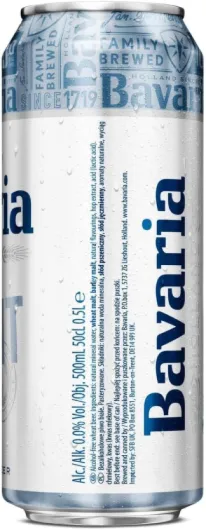
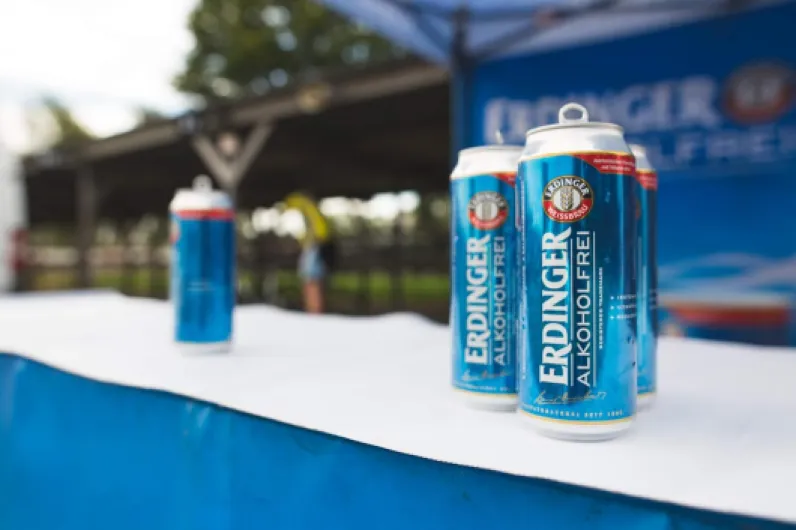
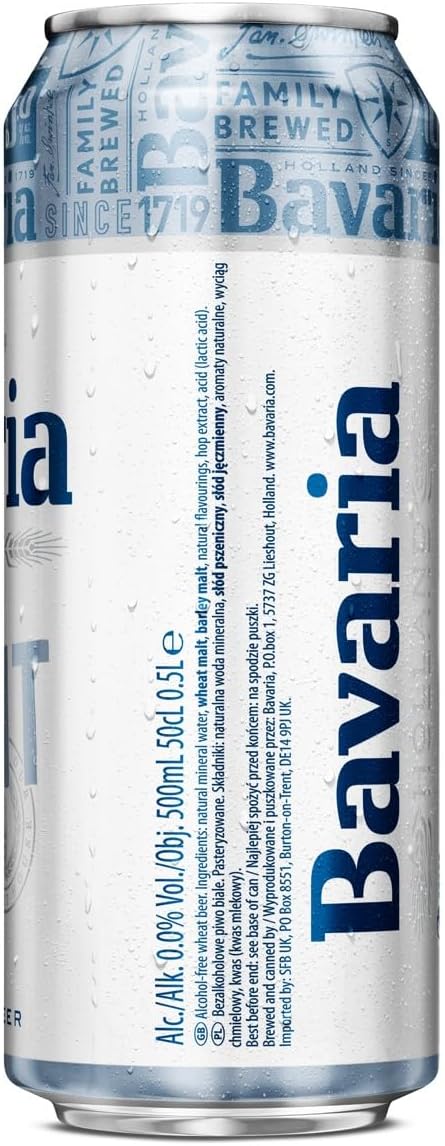
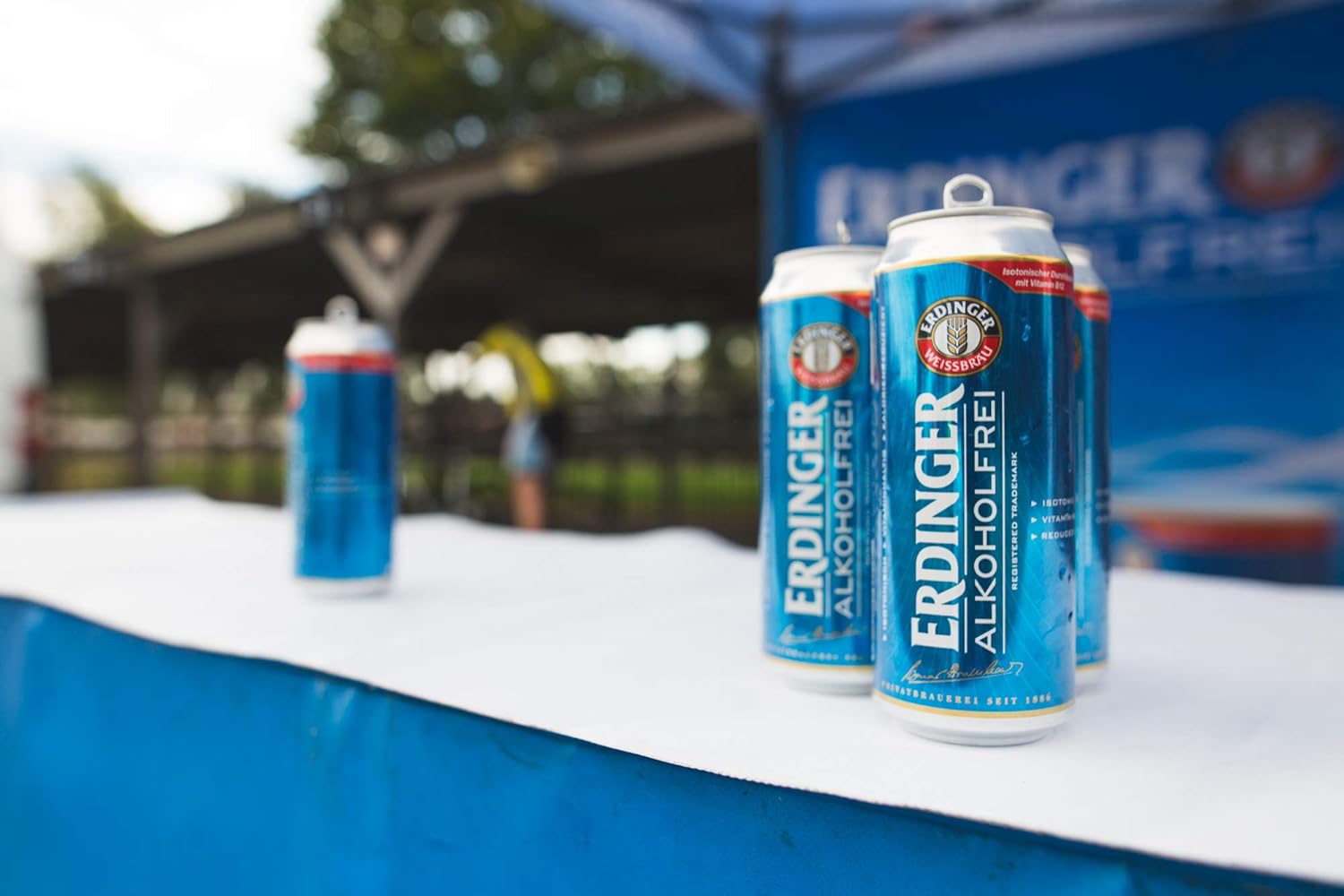
With other NA styles, the label is often your first clue about what is inside. A clean, minimalist design hints at crisp lagers or light wheat beers. Bold colors and abstract art suggest hop-forward or experimental flavors. When you are browsing a shelf full of NA options, your brain is already building a flavor profile based on typography, color palette, and imagery before you even read the style.
Brewers know this, and many now treat design as part of the recipe. The goal is to signal that these beers belong in the same conversation as full-strength craft, not in a dusty “near beer” corner. That visual confidence helps people feel good about choosing NA, especially when they are already curious about new styles.
Names that tell a story, not just a style
Names do a lot of heavy lifting for other NA styles. Instead of simply “non-alcoholic pale ale”, you might see playful or evocative names that hint at mood, place, or occasion. This mirrors what you find in the wider craft world and reinforces the idea that NA beer is about flavor and experience, not just abstinence.
Good names also help drinkers remember what they liked. When you are trying a range of NA sours, dark lagers, or hop teas, a distinctive name makes it easier to talk about your favorites and recommend them to friends.
Social media as the new taproom
Because many drinkers first encounter other NA styles online, social media acts like a virtual tasting room. Breweries share pairing ideas, behind-the-scenes brewing content, and tasting notes that echo what you might hear at an in-person event. This context helps people understand what to expect from unfamiliar styles and encourages them to experiment more confidently.
How to taste and talk about other NA styles like a pro
Setting up your own NA tasting ritual
Approach other NA styles the same way you would a classic tasting flight. Pour into proper glassware, even if the beer is low or no alcohol. Look at the color and clarity, then swirl gently to release aroma. Take short sniffs first, then a deeper one. On your first sip, focus on texture and balance rather than hunting for specific flavors.
Move from lighter to more intense styles : crisp lagers and wheat beers first, then hop-forward IPAs, darker malts, and finally anything barrel-inspired or heavily spiced. This order helps you notice nuance instead of palate fatigue.
Simple vocabulary that actually helps
You do not need advanced jargon to sound informed. Stick to a few clear axes :
- Aroma : bready, toasty, citrusy, herbal, tropical, roasted, chocolatey.
- Flavor : sweet, dry, bitter, tart, fruity, coffee-like, caramel, nutty.
- Mouthfeel : light, medium, creamy, crisp, watery, prickly, smooth.
- Finish : short, clean, lingering, bitter, sweet, refreshing.
When you talk about NA beers, compare them to familiar full-strength styles you already know from the broader beer world. This makes your feedback more relatable to friends and bartenders.
Sharing feedback that brewers and friends value
Because other NA styles are still evolving, your tasting notes matter. Instead of saying “good” or “bad”, be specific :
- What worked : “Bright citrus aroma, really refreshing finish.”
- What did not : “Body feels thin for a stout, roast character fades too fast.”
- When you would drink it : “Perfect for weeknight pizza” or “great post-workout option”.
This kind of language helps shape future releases and makes you part of the conversation pushing NA beer forward.