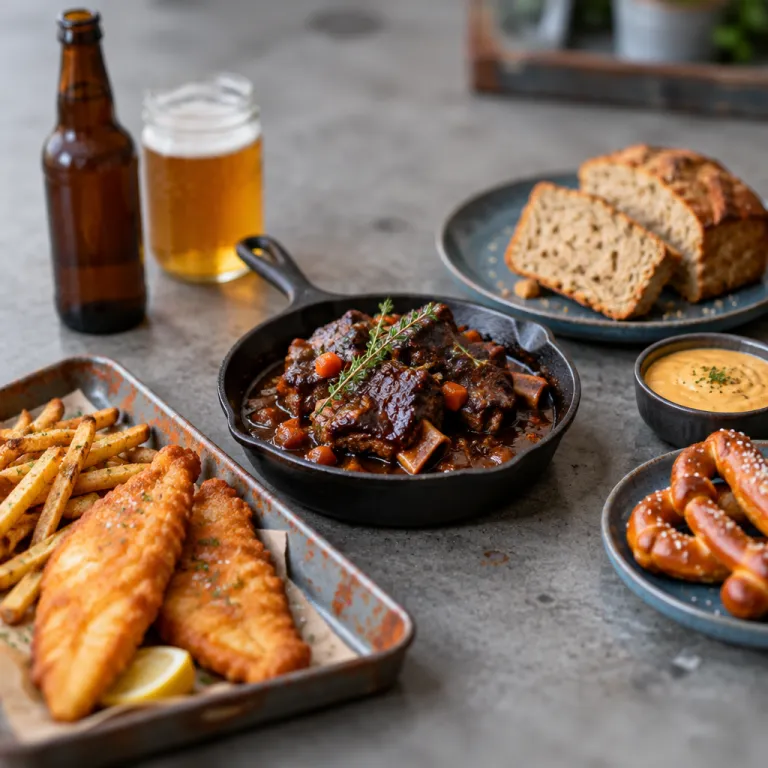
Why cooking with beer adds so much flavor to food
How beer transforms everyday recipes
Beer brings a layered mix of malt sweetness, roasted notes, bitterness and gentle acidity that water, stock or wine cannot match. When you heat beer, some of the alcohol evaporates and the flavors concentrate, wrapping your food in toasty, bready and sometimes caramelized aromas. This makes even simple dishes like stews, chilis or pan sauces taste richer and more complex.
The bubbles in beer also play a role. Carbonation helps lighten batters and doughs, giving you crispier fish and chips, airier tempura and tender pancakes. In the oven or fryer, those bubbles expand and escape, leaving behind a delicate, crunchy shell that contrasts beautifully with moist interiors.
Bitterness, sweetness and umami in balance
Hops add bitterness that cuts through fat and richness. A hoppy pale ale or IPA can keep cheesy dips, sausages or fried snacks from feeling heavy, while malt sweetness rounds off sharp edges in tomato sauces or mustard glazes. Darker beers bring coffee, chocolate and toasted bread notes that deepen gravies, braises and desserts.
Beer also boosts umami. When you simmer it with meat, onions and browned vegetables, the malt sugars and proteins interact, enhancing savory depth. That is why a simple pot roast or slow-cooked chili made with beer often tastes like it has simmered for much longer than it really has.
From the glass to the plate
Cooking with beer lets you echo what you drink alongside the meal. Pairing a malty lager in your marinade with the same style in your glass creates a unified flavor theme, perfect for a relaxed cookout or a themed menu like an Independence Day beer and food pairing. Later, choosing the right style and applying a few simple kitchen techniques will help you get the most from every bottle you cook with.
Choosing the right beer style for each recipe
Matching beer styles to cooking methods
Think of beer like a spice cupboard in liquid form. Each style brings its own balance of malt sweetness, hop bitterness, roast, and fruitiness. Light lagers and pilsners are crisp and subtle, ideal when you want gentle grain notes that will not overpower delicate foods like fish, chicken, or light batters. Malty amber lagers and brown ales add toasty, caramel depth that works beautifully in stews, chilis, and oven braises.
Hop-forward pale ales and IPAs bring citrus, pine, and floral notes. Used carefully, they can brighten marinades or pan sauces for grilled meats and roasted vegetables. However, their bitterness concentrates as liquid reduces, so they are better in quick-cooking dishes than in long, slow reductions. Dark beers such as porters and stouts contribute coffee, cocoa, and roasted flavors that shine in hearty braises, rich gravies, and desserts like chocolate cakes or beer ice cream.
How flavor profiles guide your choice
When choosing a beer for a recipe, start by asking whether you want to complement or contrast the main ingredient. A citrusy wheat beer complements seafood or salads, while a roasty stout contrasts and deepens beef or mushrooms. Sour beers and farmhouse ales add tang and complexity, similar to buttermilk or yogurt, and can be used in marinades or dressings where you might otherwise reach for vinegar.
Pay attention to alcohol level as well. Higher-ABV beers bring more body and sweetness but can taste hot or harsh if reduced too far. Lower-ABV session beers are often more forgiving in long simmers. If you want to experiment with layering flavors even further, specialized beer infusion tools let you add spices, herbs, or fruit directly to the beer before it ever hits your pan, opening up even more pairing possibilities for your next batter, braise, or sauce.
Practical cooking tips for beer batters, braises and sauces
Getting the most from beer in hot pans and long simmers
When you pour beer into a hot pan, treat it like any other flavorful liquid. Take the pan off the heat for a moment before adding beer to avoid sudden foaming or scorching. Once added, bring it back to a gentle simmer so the alcohol can evaporate gradually while the flavors concentrate.
For batters, keep your beer cold. The contrast between chilled beer and hot oil helps create a crisp, airy crust. Whisk the beer in just until combined ; overmixing knocks out carbonation and makes the coating dense. If the batter feels too thick, add a splash more beer rather than water to keep the flavor intact.
Balancing bitterness, sweetness and acidity
Bitterness from hops intensifies as beer reduces. When using IPAs or other hop-forward styles in sauces or braises, start with less than you think you need. You can always top up later. If a sauce tastes too bitter, balance it with a touch of honey, brown sugar or caramelized onions, and a little acidity from vinegar or citrus.
Fruit-forward beers and ciders bring natural sweetness and tang. A pineapple cider, for example, can brighten a pan sauce for pork or chicken ; you can look at how pineapple cider behaves in cooking and pairing to guide your choices. Just remember that sweet beers reduce quickly, so simmer gently and taste often.
Timing your additions for best flavor
Add beer early in braises and stews so it has time to mellow and integrate with the stock and aromatics. For glazes and pan sauces, add beer later and reduce until it lightly coats the back of a spoon. In batters, add beer at the very end, right before frying, to keep the bubbles lively and the texture light.
Simple recipe ideas that use beer in everyday cooking
Weeknight mains with a beer twist
Beer can turn simple weeknight dishes into something special without adding much effort. Try a quick lager and lemon roast chicken ; whisk lager with lemon juice, garlic and olive oil, then pour over chicken pieces before roasting. The beer keeps the meat juicy and adds a gentle malty note.
For pasta, simmer mushrooms and onions in brown ale with a little cream or crème fraîche. The ale’s toasty flavors echo the caramelized vegetables and create a rich yet easy sauce for tagliatelle or penne.
Comfort food and casual bites
Comfort dishes love beer’s depth. Make a stout mac and cheese by replacing part of the milk in your cheese sauce with stout. The roasted flavors balance the richness of cheddar and add a subtle chocolatey edge.
For casual evenings, stir a splash of wheat beer into guacamole or salsa. Its light citrus and spice brighten the dip and pair well with tortilla chips or grilled vegetables.
Easy one-pot and tray-bake ideas
One-pot meals are ideal for cooking with beer because the liquid reduces and concentrates. A sausage, potato and pale ale bake is simple ; toss everything with mustard, herbs and pale ale, then roast until the edges crisp and the beer forms a sticky pan sauce.
For a lighter option, simmer chickpeas and seasonal greens in pilsner with garlic, chili and a squeeze of lemon. The clean bitterness of the pilsner keeps the dish bright and prevents it from feeling heavy.
Sweet treats with subtle beer notes
Beer also works in desserts. Fold porter into a chocolate cake batter to enhance cocoa flavors and keep the crumb moist. Or poach pears in a spiced witbier with orange zest and cloves for an easy, aromatic dessert that feels refined but is simple to prepare.
Health, alcohol and smart choices when you cook with beer
How much alcohol really stays in your food ?
Cooking with beer does not automatically mean all the alcohol disappears. How much remains depends on the method and time you use. A quick deglaze or a fast beer batter fry will leave more alcohol than a long, slow braise. Simmering a stew for a while reduces alcohol gradually, but some can still be present at the end.
If you are cooking for children, pregnant people, or anyone avoiding alcohol for health or personal reasons, treat beer as you would wine or spirits in the kitchen : be mindful of how much you add and how long you cook it.
Making lighter, smarter beer-based dishes
Beer can actually help you build flavor without relying on heavy amounts of salt, sugar, or fat. A malty lager can add sweetness and body to a sauce, while a hoppy pale ale brings bitterness that balances rich, cheesy dishes. When you choose styles carefully, you can reduce extra butter or cream and still keep your food satisfying.
To keep recipes lighter :
- Use beer to deglaze instead of extra oil or butter.
- Choose lower-ABV styles when possible, especially for quick-cooked dishes.
- Balance rich meats with drier, more bitter beers to avoid adding more fat.
When to skip beer or use alternatives
Some guests may need alcohol-free options. In those cases, you can :
- Swap in alcohol-free beer, which still brings malt and hop character.
- Use stock plus a splash of vinegar or citrus to mimic brightness and depth.
- Offer a separate, beer-free version of sauces or batters for sensitive diners.
By thinking about who you are serving and how you cook, you can enjoy the flavor benefits of beer while staying aligned with health and lifestyle needs.