How to choose the best olives and pickled goods for different beers
Matching flavours and beer styles
When pairing olives and pickled goods with beer, think in terms of intensity and flavour families. Light, crisp beers such as pilsners or kölsch work well with milder green olives and gently brined vegetables, where salt and acidity will sharpen the beer’s refreshing edge without overwhelming it.
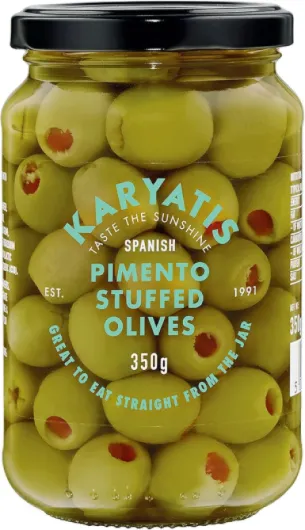
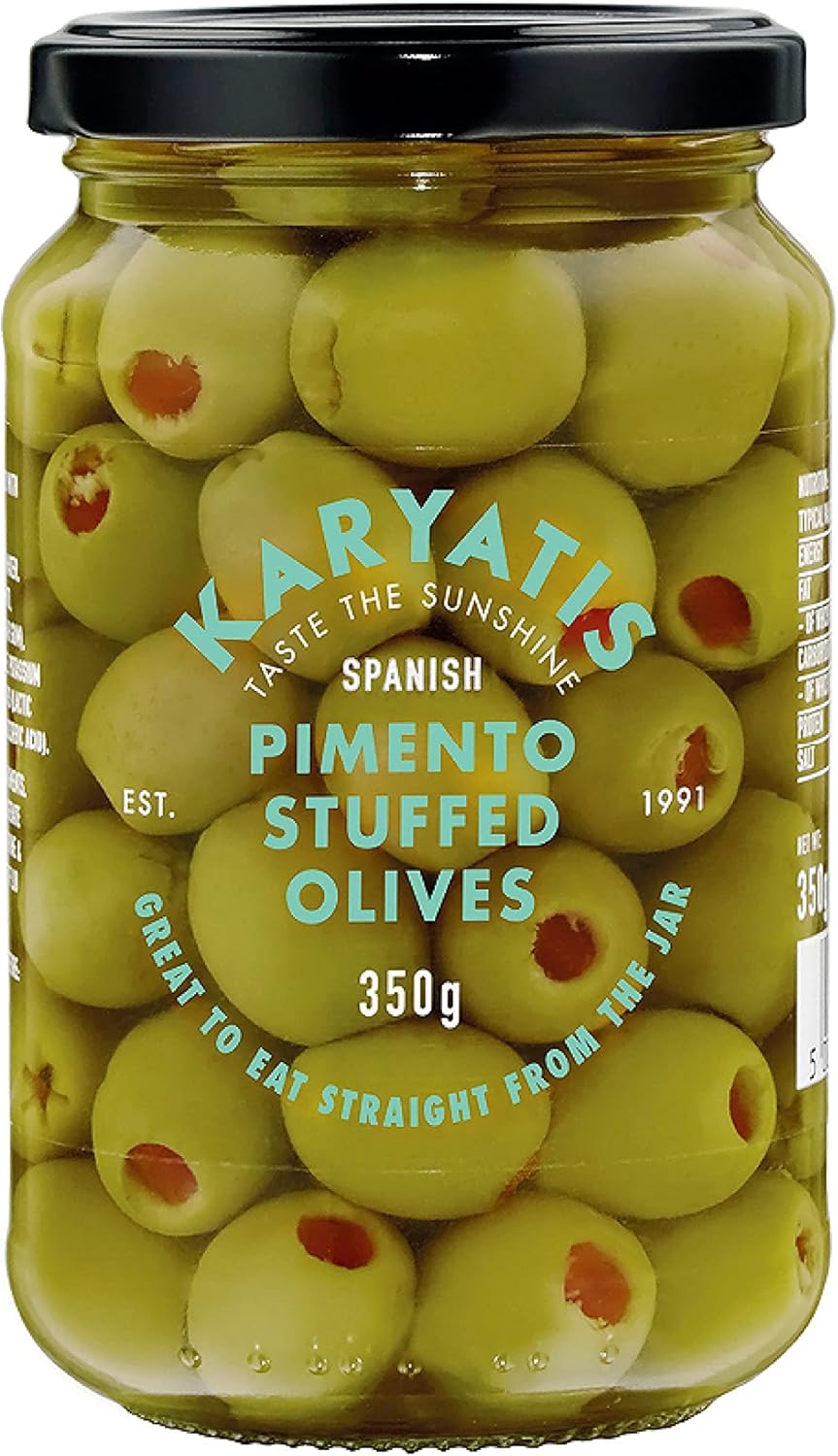
For hop-forward pale ales and IPAs, choose olives with a bit more character. Firm green olives stuffed with pimento offer sweetness, gentle heat and a touch of umami that echo fruity hops while softening bitterness. A quality pimento stuffed green olive in brine can bridge the gap between citrusy hops and malt sweetness, making the beer feel rounder and more complex.
Wheat beers and saisons love bright acidity. Pair them with pickled onions, cornichons or mixed vegetable pickles. Their lively carbonation lifts the vinegar notes, while the beer’s spice and fruit tones keep the pairing from becoming too sharp.
Choosing textures that complement the beer
Texture matters as much as taste. Creamy, fleshy olives are ideal with smooth, malt-driven lagers or amber ales, where the richness of the olive mirrors the beer’s body. Crunchy pickles or firm, lightly fermented vegetables pair better with highly carbonated beers, as the bubbles cut through the bite and keep the palate refreshed.
Balancing salt, sour and bitterness
Salt and acidity from olives and pickles can either highlight or clash with bitterness in beer. With very bitter IPAs or dark, roasty beers, avoid overly salty or aggressively sour pickles. Instead, choose moderately brined olives or mixed antipasti, letting the beer’s bitterness provide structure while the garnish adds nuance rather than dominance.
How to keep, open and store olives and pickled goods safely
Understanding shelf life and “best before” dates
Olives and pickled goods are naturally long-lasting thanks to brine, vinegar, or oil. Still, they are not immortal. Check the “best before” date as a quality guideline, not a strict safety deadline. Unopened jars and cans usually keep their flavour and texture well past that date if stored correctly, but once the seal is broken, the clock starts ticking faster.
Safe storage before opening
Before opening, keep jars and cans in a cool, dark place away from direct sunlight and heat sources. A pantry or cupboard is ideal. Avoid temperature swings, which can weaken seals and affect texture. Store upright so brine or oil fully covers the olives or vegetables, helping prevent oxidation and spoilage.
What to do once the jar is open
After opening, move any leftovers to the fridge. Make sure everything stays submerged in brine or oil ; if needed, top up with a simple brine (water and salt) or neutral oil. Always use a clean spoon or fork to serve, never your fingers, to avoid introducing bacteria. Close the lid tightly after each use.
How long can you keep opened olives and pickles ?
As a general rule, opened olives and pickled goods keep their best flavour for a few weeks in the fridge. Trust your senses : if you notice off smells, mould, fizzing, or unusual cloudiness, throw them away. When planning a beer night with snacks, including olives, pickles, cheese, or even a Japanese snack assortment, buy only what you can reasonably finish within that time frame.
Serving safely during beer tastings
For tastings, divide olives and pickles into small bowls instead of serving from the main jar. Keep the main container in the fridge between refills. This simple habit protects both food safety and flavour for your next beer session.
How breweries, bars and shops use olives and pickled goods to build a sense of place
Creating a signature identity with simple jars
For many breweries, bars and bottle shops, a bowl of olives or a small plate of pickled vegetables is more than a snack ; it is part of their identity. The style of olives they choose, the way they are marinated, and even the dish they are served in all send signals about the venue’s personality.
A modern taproom might lean on bright, citrusy marinades with lemon peel and fresh herbs to echo the freshness of its pale ales and IPAs. A traditional beer hall may prefer briny green olives and sharp pickled onions that stand up to malty lagers and dark beers. Over time, regulars come to associate those specific flavors with that place, just as much as the house pilsner or flagship stout.
Local sourcing and storytelling
Many venues use olives and pickled goods to tell a local story. They might partner with nearby farms, small-scale picklers, or Mediterranean importers who share their values. Menus often highlight these producers, turning a simple snack into a conversation starter between staff and guests.
This storytelling role mirrors how they talk about their beer : where the hops come from, which maltster they use, or why a certain style is on tap. When the olives and pickles are chosen with the same care, the whole experience feels coherent and intentional.
Designing pairings into the guest journey
Thoughtful venues also build olives and pickled goods into the guest journey. They may suggest a small plate of mixed olives with the first round, then a sharper, more intense pickle selection alongside stronger beers later in the visit. Chalkboard pairings, tasting flights with matching nibbles, and staff recommendations all help guests feel guided rather than overwhelmed.
In this way, olives and pickled goods become quiet but powerful tools for shaping how people taste, remember, and talk about a place and its beers.
Practical tips to enjoy olives and pickled goods with beer at home
Setting the scene for relaxed beer and olive nights
Start by choosing one or two beers you really feel like drinking, then build a simple plate around them. Use a small bowl for each type of olive or pickle, and add a few neutral snacks (plain crackers, breadsticks, or sliced baguette) to reset your palate between sips.
Keep portions modest. A handful of olives, a few pickled vegetables, and one or two beers per person is enough for a relaxed evening without overwhelming your taste buds.
Simple pairing ideas for any evening
- Lager or pilsner : pair with mild green olives and crunchy pickled cucumbers.
- Pale ale : try briny black olives and pickled onions to echo the gentle bitterness.
- IPA : match with spicy or garlic-marinated olives and sharper pickles.
- Dark beers : serve with rich, oil-cured olives and sweet-sour pickled peppers.
Pour small servings of beer and taste in this order : beer, olive, beer again. Notice what changes – more fruit, more bitterness, or a smoother finish.
Smart prep and serving habits
Take olives out of the fridge 15–20 minutes before serving so their aromas open up. Keep the brine in the bowl ; it helps preserve flavour and keeps them from drying out during the evening.
Use toothpicks or small forks to avoid greasy fingers on your glass. Have a separate dish for pits and another for used picks, so the table stays tidy.
Finally, keep notes – even quick ones on your phone. Jot down which beer and olive combinations you liked most. Next time you shop, you will know exactly what to reach for to recreate your favourite pairings at home.