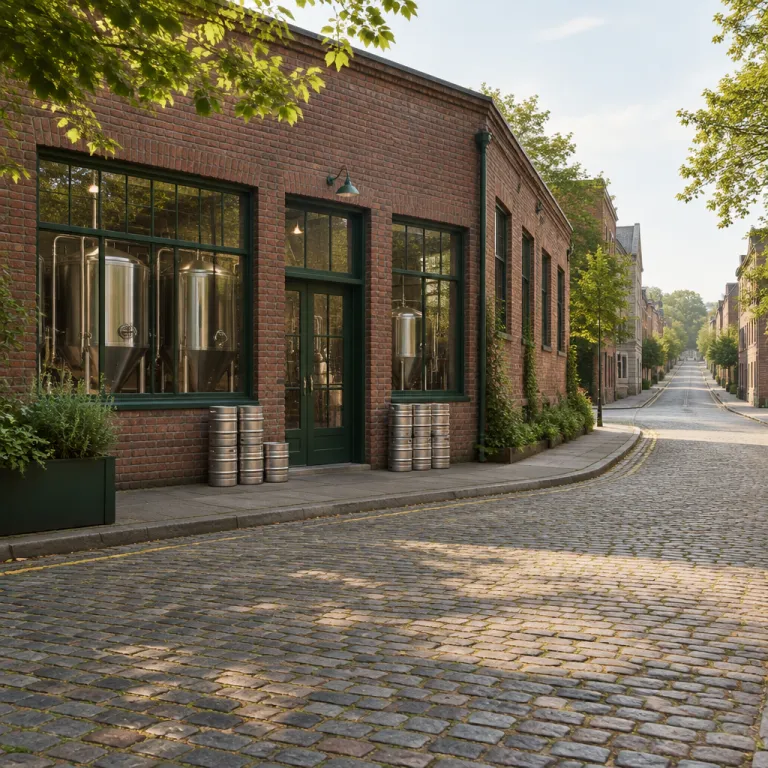
Broad St Brewery, from Bristol to Philadelphia
Walk along Broad Street in either Bristol or Philadelphia and you feel it immediately : the sense that beer has always been part of the street’s heartbeat. The name “Broad St Brewery” can point to different taprooms and projects, yet they all share one idea : brewing that belongs to the neighborhood first, and the wider beer world second.
Two cities, one brewing attitude
Bristol’s Broad Street has long mixed docks, markets, and music venues, so it is no surprise that small breweries there lean into experimentation. Across the Atlantic, Philadelphia’s Broad Street runs through sports arenas, theaters, and old rowhouse blocks, giving its breweries a more blue-collar, game-day energy. What links them is a belief that good beer should feel as familiar as the corner pub, even when the recipe is cutting-edge.
This shared attitude shows up in the glass. A Bristol Broad St pale ale might showcase bright, citrusy hops and a lean body, while a Philly counterpart leans maltier, built for long nights and loud conversations. Both, however, are brewed to be drunk fresh, close to where they are made, and often in small taprooms that double as community hubs.
Street-level brewing in a wider beer story
Broad Street brewing projects sit inside a much bigger narrative of regional beer identity. Just as the tale of Mississippi Mud beer and its black-and-tan legacy shows how one label can define a place, Broad St breweries help shape how locals talk about their own cities. Later, when we look at how modern street brewing shapes flavor, and how IPA, hazy IPA, and lager styles show up in Broad St taprooms, this sense of place will keep coming back as the quiet ingredient in every pint.
How modern street brewing shapes flavor
From neighborhood sidewalks to brewhouse
On Broad Street, brewing is shaped as much by the pavement outside as by the stainless steel tanks inside. Modern street brewing means paying attention to who walks past the taproom doors, what they are eating nearby, and how the city sounds at night. Brewers here build recipes that fit the rhythm of the block : pre-game crowds, late-night slices, quiet Sunday afternoons.
Instead of chasing abstract trends, Broad Street brewers watch what people actually order pint after pint. A crisp lager for the commuter grabbing one beer before the train. A juicy hazy IPA for the group sharing flights. A rotating small-batch series for locals who want something new but still recognisably “Broad Street”.
Techniques that turn street life into flavour
Modern street brewing leans on classic techniques, but tweaks them to match the neighbourhood. You will see:
- Flexible hopping schedules to dial bitterness down for casual drinkers while keeping aroma high for hop fans.
- Yeast choices that favour soft, approachable profiles over aggressive phenolics, making beers easier to pair with local food.
- Smaller fermenters that let brewers respond quickly when a style suddenly becomes the talk of the street.
This is why Broad Street has become a reference point for how modern city brewing can feel both experimental and familiar. For a deeper dive into how one corridor’s breweries reflect their surroundings, you can read this detailed look at Broad Street brewing as a neighbourhood beer story, which echoes many of the same themes you will taste in the IPAs, hazy IPAs, and lagers poured along the street.
IPA, hazy IPA and lager at a Broad St Brewery taproom
What to expect from a broad street ipa lineup
Walk into a Broad Street taproom in either Bristol or Philadelphia and the IPA board usually sets the tone. Classic West Coast-inspired IPAs lean on firm bitterness, bright citrus, and pine. Brewers often use American hop varieties that echo the bold, street-level energy of the neighborhood : think grapefruit peel, resin, and a clean, snappy finish that keeps you coming back for another sip.
Hazy IPAs, by contrast, are the softer side of Broad Street. These pours arrive opaque and glowing, with low perceived bitterness and huge aromas of mango, peach, and ripe orange. Brewers tweak water chemistry for a rounder mouthfeel, then layer late and dry hop additions to build juicy flavor without harsh edges. It is the same spirit of experimentation you see in other beer cultures shaped by long-standing traditions, as explored in how historic brewing cities still influence modern pints.
Lager as the quiet backbone of the taproom
Amid all the hop-forward noise, lager quietly anchors the Broad St Brewery tap list. Expect a crisp, pale lager with a gentle grainy sweetness, subtle floral hops, and a dry finish that makes it ideal between more intense tasters. Some taprooms along Broad Street also pour darker or amber lagers, nodding to European roots while keeping the profile clean and highly drinkable.
Whether you are starting with a bright IPA flight or easing in with a lager, the mix of styles reflects the same cross-Atlantic story that runs through the street itself. The best approach is to order small pours, move from lighter lagers to hazy and then classic IPAs, and pay attention to how each glass captures a different side of Broad Street’s brewing character.
How to taste and find beers on and around Broad Street
Getting oriented on broad street beer stops
Start by mapping the main Broad Street brewery and its closest neighbors. Most taprooms list their current draft lineup online, so check what is pouring before you head out. Note which spots lean into hop-forward IPAs, which focus on crisp lagers, and which keep a rotating cast of experimental small-batch beers. This helps you plan a route that moves from lighter, lower-ABV options to bigger, bolder pours.
When you arrive at a new bar or brewery, ask for a small taster before committing to a full pour. Staff along Broad Street are used to curious drinkers and usually happy to guide you toward a style that fits your palate.
Building a smart tasting flight
Whether you are in Bristol or Philadelphia, flights are the easiest way to compare how different breweries interpret similar styles. Arrange your glasses from lightest to darkest or from lowest to highest bitterness :
- Start with a pilsner or kölsch to calibrate your palate.
- Move to pale ales and classic IPAs for a read on each brewer’s hop profile.
- Finish with hazy IPAs, strong ales, or malt-forward specialties.
Take quick notes on aroma, mouthfeel, and finish. Over a few stops, patterns emerge : maybe Bristol taprooms lean slightly drier, while Philadelphia bars showcase juicier, fruit-forward hops.
Finding hidden gems off the main drag
Do not ignore side streets and cross-streets. Small bottle shops, neighborhood bars, and hybrid café-taprooms often stock limited releases from Broad Street breweries that never hit wider distribution. Ask bartenders what locals are excited about right now, and whether any collaboration beers are on tap. These one-off projects often capture the shared identity of the two cities in a single glass, turning a casual stroll into a deeper exploration of Broad Street’s evolving beer culture.
Why Broad St Brewery stories matter to beer lovers
Street-level stories behind every pint
Broad Street breweries, whether in Bristol or Philadelphia, show that beer is never just liquid in a glass. It is a snapshot of a neighborhood at a specific moment. When you sit at a taproom bar along Broad Street, you are tasting the choices of local brewers, the history of the street, and the preferences of the regulars who keep coming back.
Those stories matter because they give context to what is in your glass. The same IPA style brewed on two different Broad Streets will not taste identical. One might lean into bright citrus and soft haze, the other into piney bitterness and a drier finish. The difference often comes from local ingredients, water profiles, and the way each brewer interprets what their community wants to drink.
How broad street shapes your beer journey
Following Broad St Brewery stories also helps you become a more confident drinker. When you know how modern street brewing shapes flavor, you start to connect what you taste with how it was made. You can walk into a taproom, scan the board of IPAs, hazy IPAs, and lagers, and make a choice based on more than just the name or the artwork.
These stories also build a bridge between cities. A fan in Philadelphia can visit Bristol and feel an instant connection when they see a familiar street name on a tap list. That shared reference point turns a quick pint into a small act of beer tourism, where you compare how each city expresses its own Broad Street character.
In the end, Broad St Brewery stories matter because they turn casual drinking into meaningful exploration. They invite you to slow down, ask questions, and let one street guide you through two different beer cultures.