How to read abv, flavor and style labels on stout beer and porter beer
Making sense of stout and porter labels
Stout and porter labels can look intimidating, but they are actually full of useful clues. Start with the style name. Terms like “oatmeal stout”, “milk stout”, “imperial porter”, or “Baltic porter” hint at body, sweetness, and strength. Oatmeal and milk versions tend to be smoother and sweeter, while “imperial” usually means bigger, bolder, and stronger in every way.
Next, check the ABV (alcohol by volume). A session stout around 4–5 % will feel lighter and more drinkable, with roasted notes that do not overwhelm. Once you move into 7–9 % and beyond, expect richer flavors, more sweetness, and a warming finish. High ABV stouts and porters are often better for slow sipping than for casual pints.
Flavor notes and what they really mean
Flavor descriptions are your roadmap. Words like “coffee”, “espresso”, or “dark chocolate” point to roasted malts and a drier finish. “Caramel”, “toffee”, or “molasses” suggest a sweeter, dessert-like profile. If you see “vanilla”, “cocoa nibs”, “bourbon barrel”, or “maple”, you are likely dealing with an adjunct stout designed to be rich and indulgent.
Bitterness (often listed as IBU) also matters. Lower IBU stouts feel rounder and sweeter, while higher IBU versions can taste sharper and more roasty. When in doubt, compare ABV and flavor notes together to guess how intense the beer will feel.
Packaging hints and classic benchmarks
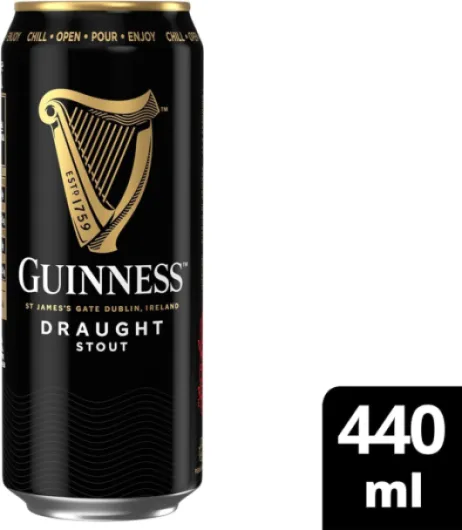
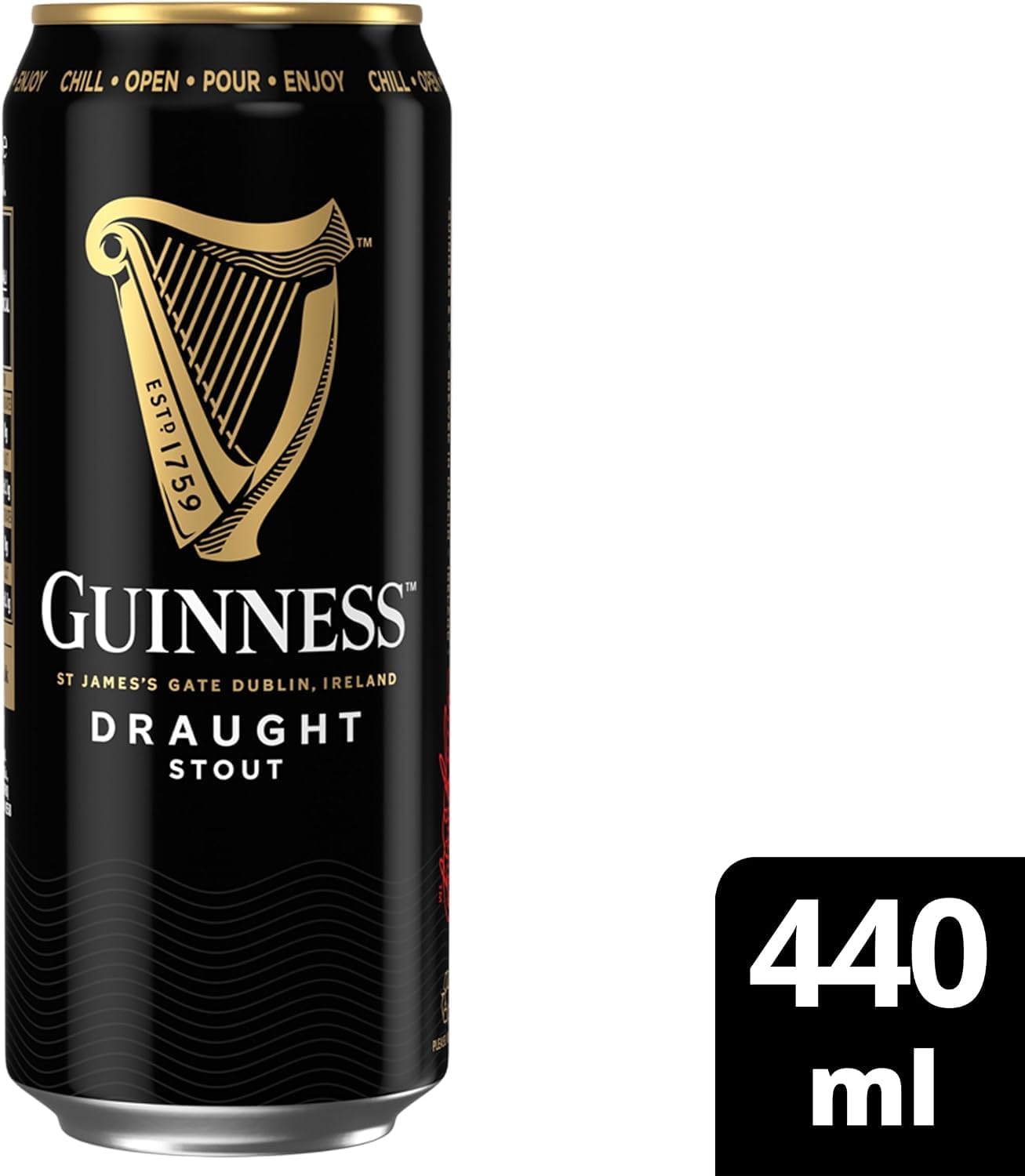
Some labels reference classic benchmarks to guide you. If a brewery mentions a “foreign extra style” or “export stout”, expect a firmer bitterness and higher strength, similar to what you might know from a Guinness foreign extra profile. Use these cues to choose bottles that match the tasting experience you are looking for in the rest of the guide.
Classic examples of the best stouts and porters from respected breweries
Time‑honored stout benchmarks
When people talk about classic stouts, a few names always come up. Dry Irish stouts set the standard for roasty, coffee‑like bitterness with a surprisingly light body and creamy head. They are the reference point for balance between dark malt flavor and drinkability.
Foreign extra stouts push things further. Higher alcohol, richer body, and deeper notes of dark chocolate, molasses, and dried fruit make them ideal for slow sipping. These beers show how a small shift in strength and roast can transform the whole experience.
Imperial stouts sit at the top of the intensity scale. Expect thick, almost syrupy texture, bold roast, and layers of chocolate, espresso, licorice, and sometimes dark berries. Barrel‑aged versions add vanilla, oak, and spirit warmth. They are perfect examples of how high ABV and complex malt bills shape flavor, as you will see when you look more closely at labels and style cues.
Porter classics that define the style
On the porter side, traditional English porters highlight gentle roast, nutty malt, and a smooth, medium body. They are less bitter and sharp than many stouts, with flavors of toasted bread, cocoa, and caramel.
Robust porters, often from American craft breweries, turn up the roast and hop character. You will find more pronounced coffee and dark chocolate notes, sometimes with a piney or citrusy hop edge. These beers are great training grounds for your palate as you refine your own flavor preferences and tasting approach.
Modern breweries also produce excellent non‑alcoholic dark beers. Many of the best NA craft stouts and porters capture roast, chocolate, and coffee character with minimal alcohol, giving you more options when you want flavor without the buzz.
Tasting tips to find your own best stout and porter flavor profile
Train your palate with simple comparisons
Start by tasting two beers side by side rather than one at a time. Pour a classic dry stout next to a sweeter milk stout, or a robust porter beside a barrel-aged version. Take small sips, hold the beer in your mouth for a few seconds, and focus on what changes :
- Sweetness vs. bitterness – Does the finish dry your mouth or leave a sugary impression ?
- Roast level – Think light toast, dark toast, or burnt coffee.
- Body – Does it feel thin like black tea, or thick like cream ?
Use a few guiding flavor words
Instead of chasing every nuance, anchor your notes around a short list of descriptors. For most stouts and porters, these families work well :
- Coffee / espresso
- Chocolate / cocoa
- Caramel / toffee
- Roasted grain / toast
- Dark fruit (raisin, prune, fig)
- Smoke or char
Note which two or three dominate. Over time, you will start to recognize patterns that match the flavor and style cues you read on labels.
Match intensity to your mood and setting
Think about when and how you plan to drink the beer. For a relaxed evening or food pairing, you might prefer :
- Lower abv dry stout – lighter body, easier to drink, great with pub food.
- Medium abv porter – balanced roast and chocolate, flexible with grilled dishes.
- High abv imperial stout – rich, slow-sipping, ideal as a dessert or nightcap.
Keep brief notes on what you enjoyed or disliked. After a few sessions, your ideal stout and porter profile will become surprisingly clear.
How breweries brew great stouts and porters and what to watch for in new releases
From grain to glass : what shapes a great dark beer
Behind every memorable stout or porter is a series of deliberate choices. Brewers start with the grist bill, layering pale malt with roasted barley, chocolate malt, and crystal malts. Small tweaks here change everything : more roasted barley pushes espresso and bitter cocoa, while extra crystal malt brings caramel and toffee that soften the roast.
Yeast and fermentation are just as important. English ale strains often give subtle dark fruit notes that complement chocolate and coffee flavors, while cleaner American strains let the roast and hops stand in the spotlight. Fermentation temperature control keeps these beers smooth, avoiding harsh fusel alcohols that would clash with the rich body you learned to read on labels earlier.
Barrels, adjuncts, and modern twists
Many breweries now build “base” stouts and porters, then create variants. Barrel aging in bourbon, rum, or wine casks adds vanilla, oak, coconut, and spirit warmth. Adjuncts like coffee, cacao nibs, vanilla beans, lactose, or even chilies are layered in to highlight specific flavor directions you may have noticed when tasting classic examples.
Timing is crucial. Adding coffee cold-side preserves aroma without harsh bitterness. Cacao nibs need enough contact time to give depth without going astringent. Lactose boosts body and sweetness, helping high-ABV imperial stouts feel silky instead of hot.
What to watch for in new releases
When a new stout or porter drops, look for clues in the description : base style (dry, sweet, oatmeal, imperial), barrel type, and adjunct list. Check how the abv lines up with the promised flavors ; huge adjunct lists at very low strength can taste thin, while very strong beers with minimal malt complexity may feel boozy rather than luxurious. Over time, you will recognize which breweries balance roast, sweetness, and alcohol gracefully, and which ones chase trends at the expense of drinkability.