

Why hops make or break your ipa homebrew
How hops shape flavor, aroma, and bitterness
Hops are the main tool you use to turn a basic pale wort into a bold, expressive IPA. They bring three key elements to your glass : bitterness, flavor, and aroma. Change the hop variety, timing, or quantity, and you change the entire personality of the beer.
Bitterness comes mostly from early boil additions. These hops balance the malt sweetness and keep your IPA from tasting like syrup. Later additions, whirlpool hops, and dry hops contribute intense flavor and aroma instead : citrus, pine, resin, tropical fruit, stone fruit, dank notes, and more.
If you are still unsure what sets an IPA apart from a regular pale ale, this quick guide on IPA vs pale ale differences is a helpful starting point before you fine tune your hop choices.
Why the wrong hops can ruin a promising batch
Using the wrong hop varieties, or adding them at the wrong time, can leave you with harsh bitterness, muddled flavors, or a flat, lifeless aroma. Too many high cohumulone bittering hops can make your IPA taste sharp and astringent. On the other hand, relying only on subtle, low impact varieties can produce a beer that feels thin and underwhelming.
Good IPA homebrew is about intention. Classic American hops give you that old school, pine and grapefruit profile. Newer aroma varieties can push your beer into juicy, hazy territory. Your hop schedule and shopping strategy will decide whether those qualities shine or clash.
Once you understand how hops make or break your IPA, you can confidently choose between classic workhorses, modern aroma bombs, and smart timing to build a recipe that really pops in the glass.

Classic american hop varieties that built modern ipas
Why these classic hops still matter
Before hazy juice bombs took over, a handful of American hops defined what an IPA should taste like. These classics are still essential tools for homebrewers, whether you are brewing a West Coast bruiser or layering complexity into a modern hazy recipe.
Cascade: the citrusy benchmark
Cascade is often the first hop that comes to mind for American IPA. Expect bright grapefruit, floral notes, and a clean bitterness that feels crisp rather than harsh. It shines in late-boil additions and whirlpool charges, where its citrus character pops without overwhelming the palate.
Centennial and Chinook: bold and resinous
Centennial is sometimes called “super Cascade” because it brings similar citrus and floral tones, but with more intensity and a touch of sweetness. It works beautifully as a dual-purpose hop, handling both bittering and aroma duties.
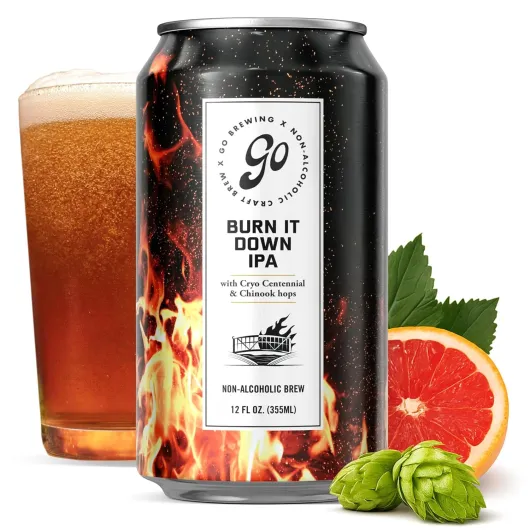
Chinook leans earthier and more resinous. Think pine, spice, and a firm, lingering bitterness. It is ideal when you want a classic West Coast edge, especially as a first-wort or early-boil addition paired with softer late hops.
Columbus, Tomahawk, Zeus (CTZ): dank backbone
CTZ hops are famous for their punchy bitterness and dank, sometimes oniony character. Used carefully, they provide a strong backbone that lets your late additions shine. Many brewers rely on CTZ for bittering, then switch to more expressive varieties for whirlpool and dry hop.
Balancing tradition with experimentation
These classic varieties are perfect partners for the modern aroma hops you will use later in your recipe. Try building a base of Cascade, Centennial, or CTZ, then layer in newer fruity hops in your late additions and dry hop. For inspiration on a more traditional profile, look at commercial golden ales or kits similar to a golden ale limited edition kit, then adapt the hop bill toward a bolder IPA expression.
Modern aroma powerhouses for juicy ipas
New‑school hops that turn your ipa into a juice bomb
Once you understand the classic American hops, it is time to play with the modern aroma varieties that give hazy and juicy IPAs their signature punch. These hops are bred for saturated fruit character, soft bitterness, and huge late-addition impact.
Citra is the benchmark. Expect intense lime, mango, and passion fruit. It shines in whirlpool and dry hop additions, where its oils stay intact and explode out of the glass.
Mosaic is more complex. It can swing from blueberry and tropical fruit to light dank notes, depending on how you use it. Many homebrewers pair Mosaic with Citra for a layered, modern IPA profile.
Galaxy from Australia brings bright passion fruit, peach, and citrus. It is powerful, so you can use it as a dominant hop in a simple two-hop blend with something like Citra or Simcoe.
Nelson Sauvin offers white wine, gooseberry, and subtle diesel notes. It is polarizing but unforgettable in a juicy IPA, especially when combined with softer tropical hops to round out the edges.
Do not overlook newer varieties such as Sabro (coconut, tangerine, cream), Strata (strawberry, cannabis, tropical fruit), and Idaho 7 (apricot, black tea, pine). These can add a unique twist when layered over a Citra or Mosaic base.
Because these hops are so aroma-focused, they are best used late in the boil, in whirlpool, and in generous dry hop charges. If you enjoy exploring how different hop profiles interact with malt and specialty grains, you might also appreciate this detailed tasting review of a modern alcohol-free stout, which highlights how balance and aroma still matter even without the alcohol.
Building a hop schedule for the best hops varieties for ipa homebrew
Start with your flavor goal
Before you plan any hop schedule, decide what you want in the glass. Do you want a lean, bitter West Coast profile that highlights classic American hops, or a soft, juicy IPA loaded with modern aroma varieties ? Your answer guides how much of your hop bill goes into early bittering versus late and cold-side additions.
Structuring hot-side additions
For most homebrewed IPAs, a small, clean bittering charge at 60 minutes is enough. Aim for a neutral, high-alpha hop here so you can save your characterful varieties for later. Many brewers now skip big mid-boil additions (30–20 minutes) because they add bitterness but drive off precious aromatics.
Instead, focus on a generous whirlpool or flameout addition. Adding hops when the wort is hot but below boiling (around 75–85 °C) extracts saturated hop flavor with smoother bitterness. This is where you can layer classic pine and grapefruit with newer tropical or stone-fruit notes from the varieties you selected earlier.
Dialing in dry hopping
Dry hopping is where your chosen hop varieties really shine. For a bright, expressive IPA, many homebrewers use two stages : one near the tail end of fermentation to boost biotransformation character, and another after fermentation for pure, saturated aroma.
Keep contact time relatively short, typically three to five days per charge, to avoid grassy flavors. Use your boldest aroma hops here and think in terms of blends : one variety for citrus lift, another for tropical depth, and maybe a third for dank or resinous edges. Adjust total dry hop rate based on intensity targets and what you learned about each hop’s oil profile and typical usage in earlier sections.
Practical shopping tips and data driven choices for homebrewers
Reading hop labels like a pro
When you stand in front of the hop fridge at your homebrew shop, the labels can feel like a wall of numbers. Focus on a few key data points to guide your choices for that next IPA.
- Alpha acids (AA%) : Higher AA (12–18 %) is ideal for bittering additions. Medium AA (8–12 %) works well for late and whirlpool additions.
- Oil content : Total oils and key components (myrcene, humulene, linalool, geraniol) hint at the aroma profile. Big myrcene often means bold citrus and resin ; more linalool and geraniol lean toward floral and fruity.
- Crop year and storage : Fresher is better for aroma hops. Look for vacuum-sealed, nitrogen-flushed packs kept cold.
Smart buying strategies for homebrewers
Once you know which classic and modern varieties fit your flavor goals, you can buy more efficiently and keep quality high.
- Prioritize freshness for late hops : Spend a bit more on the freshest lots for whirlpool and dry hop additions. Older stock is acceptable for bittering if stored well.
- Buy in bulk, repackage small : Larger bags are cheaper per gram. Split them into smaller, vacuum-sealed portions and freeze to protect delicate hop oils.
- Track what works : Keep notes on AA%, hop timing, and perceived flavor. Over a few batches, you will see patterns that help you tune future recipes.
Using online tools and community data
Leverage hop comparison charts, homebrew calculators, and community reviews to cross-check your choices. Look for typical flavor descriptors, recommended usage rates, and real-world feedback from other IPA brewers. Combining this data with your own tasting notes will quickly narrow down the hop varieties that consistently give you the punchy, expressive IPAs you are aiming for.