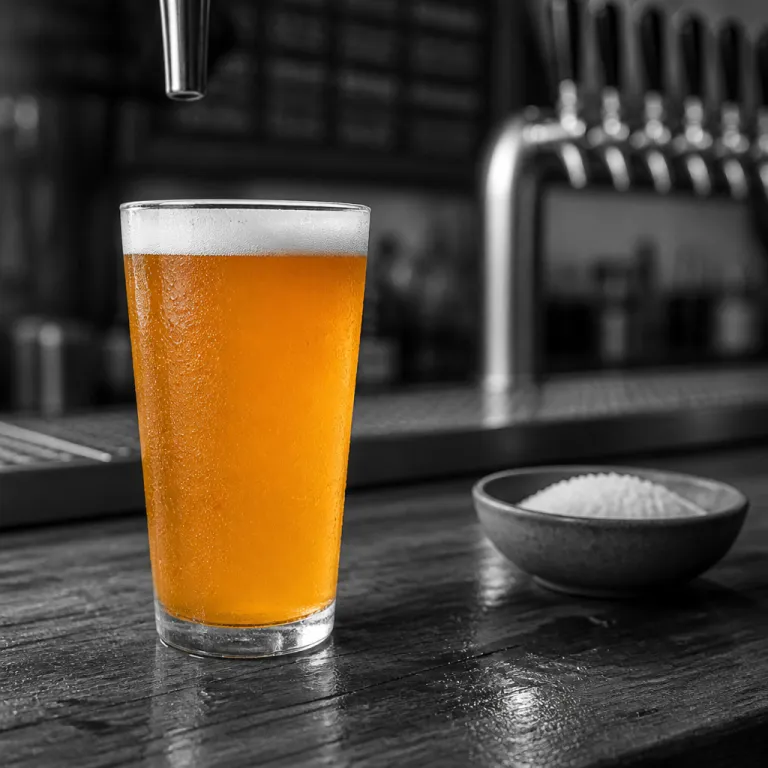
What makes rice lager craft beer style stand out
Why rice shows up in your pint glass
Rice lager often gets labeled as “light” or “simple”, but that misses what makes this style stand out. Instead of chasing bold bitterness or heavy malt sweetness, rice lager leans into clarity, subtlety, and drinkability. Rice brings fermentable sugars with very little flavor of its own, so the finished beer feels crisp and clean, with a soft grain note rather than bready richness.
That neutrality lets other elements shine. A gentle hop profile, a whisper of floral or herbal aroma, and a snappy carbonation all become more noticeable when the malt background is this delicate. It is the opposite of a pastry stout or a hazy IPA ; the appeal lies in what is not there – no sticky finish, no palate fatigue, just a refreshing, dry sip.
How rice lager differs from other light beers
Many drinkers first meet rice lager through big industrial brands, so they assume all rice beers taste the same. Modern craft versions challenge that idea. Brewers use higher quality base malts, precise fermentation control, and thoughtful hop choices to build character into a very lean frame. The result is a beer that is still easygoing but far from bland.
If you enjoy the smoothness of a dark lager with a gentle profile, rice lager offers a similar focus on texture and balance, just in a paler, crisper direction. It is designed to pair with food, social moments, and warm weather without dominating the experience.
As you read about how brewers build that light, dry body, the Japanese inspirations behind some versions, and even how to brew one at home, keep this in mind ; rice lager is not trying to shout. Its strength is being the beer you happily reach for again and again.
How brewers make a light and dry refreshing rice lager
Choosing the right grain bill
For a light, dry rice lager, brewers start with a simple base. Most of the fermentable sugars come from pale malted barley, which provides enzymes and a subtle bready backbone. Rice is added as an adjunct, usually 20–40 % of the total grist. Flaked rice, rice syrup, or properly cooked rice all work, as long as they are easy for the mash enzymes to convert.
Rice brings very little flavor or color. That is exactly the point ; it lightens the body, softens malt sweetness, and lets delicate hop and fermentation notes shine. Compared with other pale lagers you might see in top lager and blonde beer lineups, rice lagers lean even crisper and more neutral.
Mash and fermentation for a crisp finish
To keep the beer dry, brewers favor a relatively low mash temperature. This encourages highly fermentable wort, so the yeast can chew through more sugars and leave very little residual sweetness. Some breweries use step mashes or cereal mashes when working with unmalted rice, ensuring full starch gelatinization and efficient conversion.
Lager yeast strains are chosen for their clean profile. Fermentation runs cool, followed by a slow, cold conditioning phase. This “lagering” time smooths out sulfur notes, sharp edges, and any remaining roughness from the adjuncts, resulting in that glass-clear, snappy finish that defines the style.
Hop choices and water profile
Hop additions are restrained. Classic noble varieties or soft, floral modern hops keep bitterness moderate and aroma subtle. Water is usually low in harsh minerals, supporting a soft mouthfeel even as the beer finishes bone dry. Later, when you look at Japanese-inspired versions or homebrew approaches, you will see how these same principles are adapted and layered with more distinctive hop character.
Japanese style rice lager and the role of sorachi ace hops
From Japanese rice lagers to global trendsetter
When most people think of rice lager, their mind jumps straight to Japanese brands. That is no accident. Modern craft rice lagers owe a lot to Japan’s brewing tradition, where rice has long been used to create ultra-clean, food-friendly beers that pair with everything from sushi to karaage. The goal is not to hide flavor, but to strip away heaviness so subtle notes can shine.
In these lagers, rice lightens the body and keeps the finish crisp, while a carefully chosen hop bill adds character without overwhelming the palate. This is where sorachi ace comes in. Originally bred in Japan, it has become the signature hop for many Japanese-inspired rice lagers brewed around the world.
Why sorachi ace works so well with rice
Sorachi ace is famous for its distinctive mix of lemon zest, herbal notes, and a hint of dill. In a malt-forward beer, those flavors might feel odd. In a rice lager, they are a perfect match. The dry, neutral base from rice gives sorachi ace room to express itself, adding:
- Bright citrus that lifts the aroma without adding bitterness
- Gentle herbal and spicy tones that echo traditional European lagers
- A refreshing, almost sparkling impression on the palate
Craft brewers often layer sorachi ace with a small dose of classic noble hops for structure. The result is a beer that feels familiar yet distinctly modern – light enough for extended sessions, but interesting enough for serious tasting notes. This balance is also why Japanese-style rice lagers show up so often in conversations about lower-alcohol and lifestyle-friendly beer choices, even when they are brewed at standard strength.
Homebrew step by step guide for a rice lager recipe
Essential gear and ingredients for your first rice lager
Brewing a clean rice lager at home starts with the right setup. You will need a reliable way to control fermentation temperature, ideally a fridge with an external controller, because cool and steady conditions are crucial for a crisp profile. A basic all-grain system works well, but brew-in-a-bag is perfectly fine for this style too.
For ingredients, choose a light base malt such as Pilsner or pale malt, then add 20–30 % rice. Flaked rice is the easiest option, but you can also use cooked white rice. Keep the hop bill simple and restrained ; a single noble or modern lager hop is enough, echoing the subtle balance mentioned earlier in the article. Select a clean lager yeast strain known for low ester production.
Mash, boil, and fermentation schedule
Start with a single infusion mash around the lower end of the typical range to encourage a dry finish. Hold this rest for about an hour, then mash out and sparge as usual. During the boil, aim for moderate bitterness with one main addition early on, and a small late addition only if you want a gentle floral or herbal note.
Chill the wort quickly to typical lager fermentation temperatures. Oxygenate well, then pitch a healthy amount of yeast ; under-pitching can lead to off-flavours that stand out in such a delicate beer. Ferment cool until activity slows, then raise the temperature slightly for a short rest to clean up any remaining fermentation by-products.
Lagering, carbonation, and serving tips
After primary fermentation, transfer the beer to a secondary vessel or keg and lager it cold for several weeks. This step smooths out flavours and enhances the bright, dry character that defines the style. Carbonate to a moderately high level for extra snap and refreshment.
Serve your rice lager well chilled in a clean, clear glass to showcase its pale colour and lively bubbles. A simple presentation lets the subtle grain and hop nuances shine, just as they do in the commercial examples that inspired this recipe.
How rice lager fits modern beer culture and social media
Why rice lager feels made for the camera
Rice lager fits naturally into a world of taproom selfies and endless scrolls. Its pale straw color, tight white foam, and crystal clarity look sharp in photos and videos. When brewers lean into elegant glassware and minimalist branding, a simple pint of rice lager becomes highly shareable content.
Because the style is light and approachable, it also works well in short-form tasting clips. Creators can talk about crispness, subtle grain notes, and that ultra-dry finish without needing to unpack layers of bitterness or complex yeast character. It is an easy entry point for people who are curious about craft beer but intimidated by dense jargon.
The perfect backdrop for social occasions
Rice lager is built for moments people want to share online : backyard barbecues, ramen nights, rooftop hangs, and post-hike cool-downs. Its low to moderate bitterness and clean profile mean it pairs with a wide range of foods, from spicy wings to sushi, without dominating the plate.
That versatility makes it a go-to choice for mixed groups. In the same way that the brewing process focuses on balance and drinkability, rice lager plays a quiet supporting role in social settings. It lets the conversation, the playlist, and the setting take center stage, which is exactly what many drinkers want to capture in their feeds.
How breweries use rice lager in their online identity
Many breweries now feature their rice lager as the “anytime” beer in their social media lineup. Behind-the-scenes clips of cereal mashes, rice additions, and slow lagering tanks help tell a story of craft and precision that matches what drinkers taste in the glass.
Limited releases, collaborations with local restaurants, and seasonal rice lagers give breweries recurring reasons to post, while encouraging fans to share their own photos and tasting notes. Over time, that steady stream of content helps position rice lager as a modern staple rather than a passing trend.