How lager and ale yeast shape flavor in golden beers
Why yeast is the quiet architect of golden beer
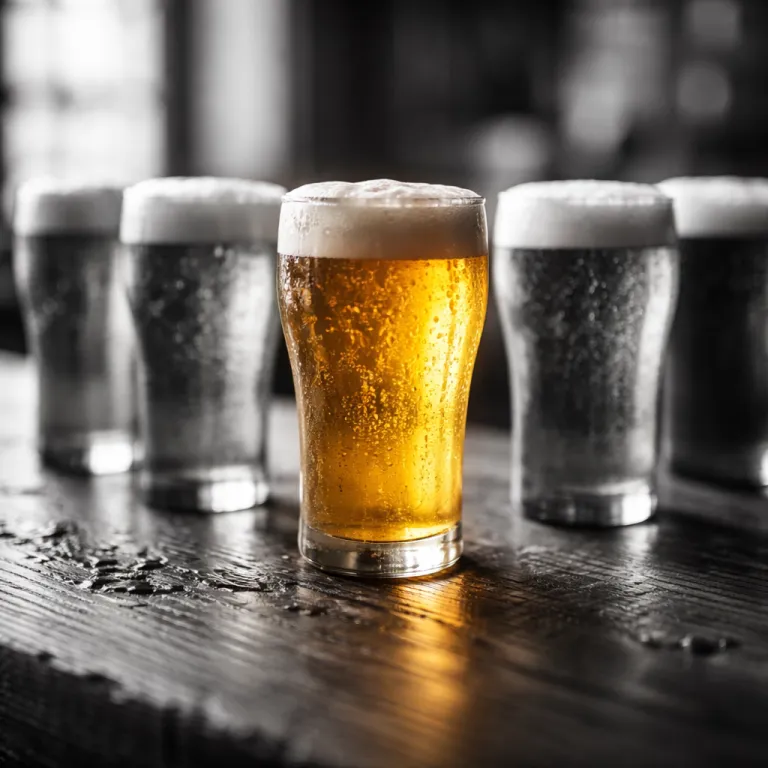
When you pour a bright, golden pint, it is easy to focus on color and bubbles. Yet the real magic starts with yeast. Lager and ale yeasts are different families of the same microscopic organism, and they shape flavor in lagers and blondes more than any hop or malt tweak ever will.
Lager yeast : cool, clean and crisp
Lager yeast (often called bottom-fermenting) works slowly at cooler temperatures. It ferments cleanly, leaving very few fruity or spicy notes. That is why classic pale lagers taste crisp, refreshing and “neutral” in the best way.
Because the yeast stays out of the spotlight, you notice :
- Soft grainy or bready malt
- Delicate herbal or floral hops
- A dry, snappy finish that invites another sip
Many brewers also give lagers extra time to mature cold. This smooths out rough edges and creates that polished, easy-drinking character you will explore further when comparing different golden lager styles.
Ale yeast : fruity, expressive and versatile
Ale yeast (often called top-fermenting) works warmer and faster. It throws off subtle esters and phenols that can taste like citrus, stone fruit, light spice or even a hint of honey. In blonde ales, golden ales and some pale ales, these notes stay gentle, adding interest without overwhelming drinkability.
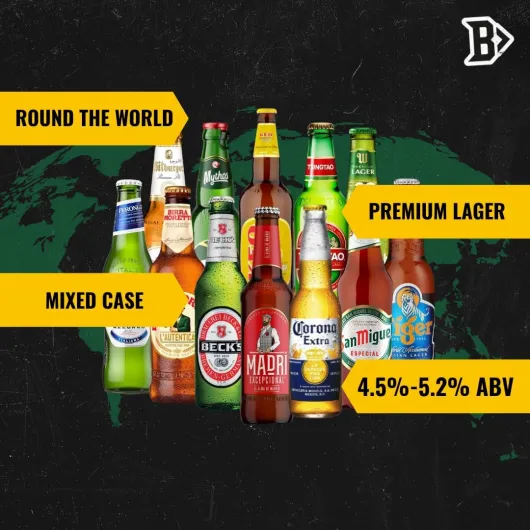
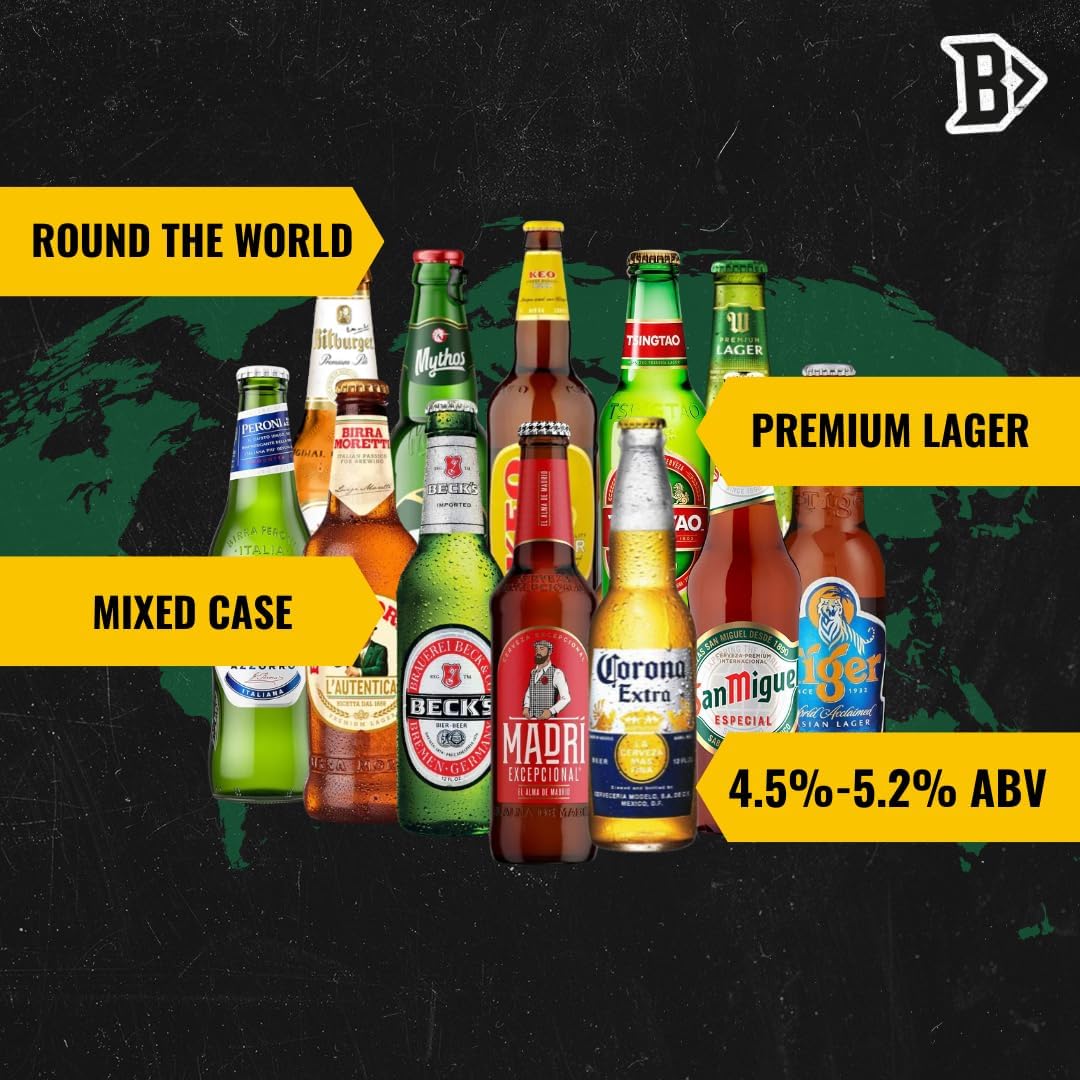
Because ale yeast is more expressive, brewers can play with hop and malt choices to create a wide range of golden beers, from soft and biscuity to bright and zesty. Tasting side by side with clean lagers is one of the best ways to train your palate for the flavor exercises you will use when choosing your own favorites. A curated world lager tasting set can make those comparisons even clearer at home.
Classic lager styles that show what “best” really means
Pilsner : the crisp benchmark
If you had to choose one style that defines what people mean by a “perfect lager”, it would be pilsner. Born in Bohemia and refined in Germany, this pale golden beer is all about balance. Expect a light, bready malt base, a firm but refreshing bitterness, and a clean, dry finish that makes you want another sip.
Classic Czech pilsners lean slightly maltier with a soft, rounded bitterness, while German pilsners are drier and snappier, with a sharper hop bite. Both rely on cool fermentation and long cold conditioning to keep flavors precise and refreshing.
Helles and dortmunder : smooth, golden drinkability
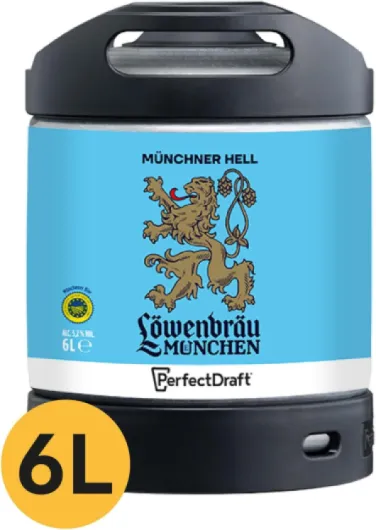
Where pilsner is crisp and assertive, helles is gentle and smooth. This Munich-born lager showcases soft, sweet malt character with just enough hops to keep it from feeling heavy. It is a great reference point when you want to focus on how malt flavor feels in a pale lager without much hop distraction.
Dortmunder export sits between pilsner and helles. It has a touch more strength and a slightly firmer bitterness, yet still feels rounded and easygoing. When you compare these styles side by side, you start to see how small shifts in malt, hops, and water can completely change your experience in the glass.
Vienna and märzen : amber cousins of pale lagers
Vienna lager and märzen show that “best” does not always mean palest. These amber lagers bring gentle toasty and biscuit notes while staying clean and smooth. Vienna lager is lighter and drier, märzen fuller and richer, but both keep the same lager clarity you taste in paler styles.
They are also perfect for relaxed sessions in a home bar or man cave ; a few vintage beer metal signs on the wall and a couple of these lagers in your glass can turn a simple tasting into a small celebration.
Blonde ale, golden ale and american pale styles
What makes a blonde ale “blonde” ?
Blonde ales sit in a sweet spot between easy-drinking lagers and more expressive ales. They are brewed with ale yeast, but kept clean and restrained, so malt and subtle hops shine without bitterness or heaviness. Expect a pale gold color, gentle malt sweetness (think biscuit or light honey), and a soft, rounded finish.
Brewers often use American or European hops in low to moderate amounts. This gives light floral, citrus, or herbal notes that lift the beer without turning it into a hop bomb. Carbonation is usually moderate, which keeps the beer refreshing while still letting flavors linger on your palate.
Golden ales and their subtle twist
Golden ales overlap with blondes, but they often lean a touch more hop-forward. You might notice brighter citrus, stone fruit, or even light tropical aromas. The malt base stays simple and pale, providing a clean stage for those hop notes.
In some regions, golden ales were created to tempt lager drinkers toward ales. They keep the same bright color and crisp drinkability you enjoy in lagers, but add a little more aroma and flavor complexity from the hops and warmer fermentation.
American pale ales : when hops take the lead
American pale ales (APAs) push the hop character further while staying balanced enough for regular drinking. They are still golden to light amber, but the aroma jumps out of the glass : grapefruit, pine, resin, mango, or passion fruit, depending on the hop varieties used.
The bitterness is firmer than in blondes or golden ales, yet a solid malt backbone keeps everything in check. If you enjoy the clean, crisp base of lagers but want more aroma and a gentle bite, APAs are a natural next step in your tasting journey.
How to taste beer and choose the best lagers and blondes for you
Setting up your tasting moment
Start with clean glassware and a neutral palate. Avoid strong flavors just before tasting ; coffee, mint, or spicy food can mask the subtle malt and hop notes that make pale lagers and blondes so refreshing.
Serve your beers a bit colder than cellar temperature, but not ice cold. Very low temperatures mute aromas, especially in delicate golden beers. Pour gently into a glass, leaving a finger of foam to release aroma without overflowing.
What to look for in the glass
Hold the beer to the light. A well-made lager or blonde should be bright, with a stable white head. Notice the color range, from straw to deep gold ; this often reflects the malt profile you learned about in earlier sections.
Swirl lightly and breathe in. Try to separate three families of aromas :
- Malt : bread crust, cracker, biscuit, light honey
- Hops : herbal, floral, spicy, or citrusy notes
- Fermentation : clean and crisp for lagers, slightly fruity for blond ales
Tasting step by step
Take a small sip and let it coat your tongue. Focus on :
- Attack : first impression, usually crisp and refreshing
- Mid-palate : malt sweetness, hop flavor, yeast character
- Finish : bitterness level, dryness, and how long flavors linger
Compare a few styles side by side. You will feel how lager yeast gives a cleaner profile, while ale yeast adds gentle fruitiness in blondes and golden ales.
Choosing the best lagers and blondes for you
Note which elements you enjoy most : sharp bitterness, soft malt, floral hops, or ultra-clean finishes. Use this as a guide when reading labels or menus ; look for style names and flavor descriptors that match your preferences, and you will quickly build a personal shortlist of “best” golden beers.