
What makes india pale lager different from lager and ipa
The hybrid heart of india pale lager
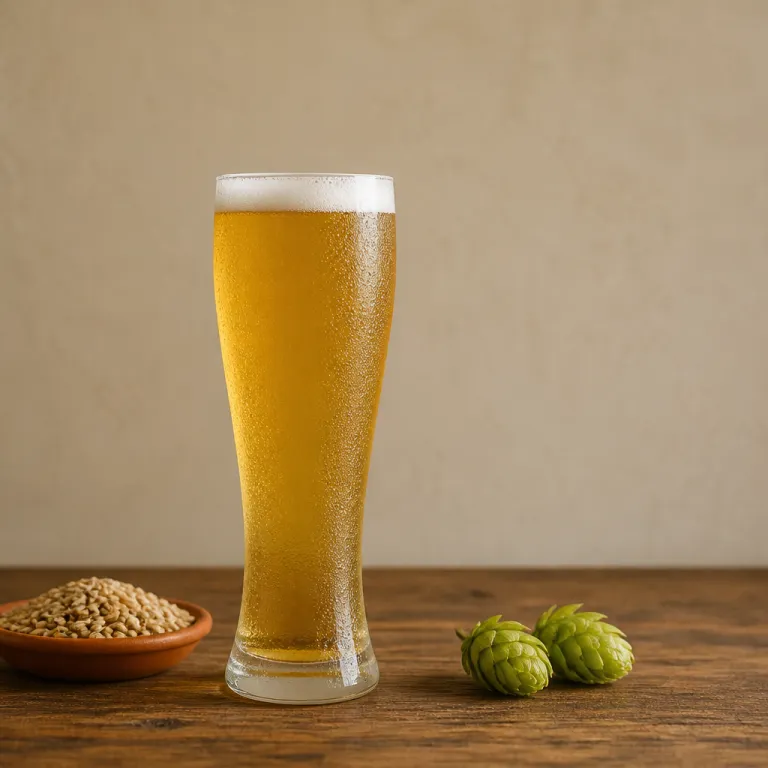
India pale lager (often shortened to IPL) sits right between a crisp lager and a hop-forward IPA. It borrows the clean, refreshing base of a lager, then layers on the bold hop character you would expect from modern pale ales. The result is a beer that feels familiar to both camps, yet clearly has its own identity.
Compared with a classic lager, an india pale lager is usually more aromatic and bitter. You still get that snappy, dry finish and high drinkability, but the nose bursts with citrus, pine, tropical fruit, or resinous notes. Where a standard lager often highlights subtle malt and gentle hops, an IPL pushes hop flavor and aroma to the front.
Next to an IPA, the difference is in the texture and overall balance. IPAs can lean heavier, with a fuller body and more lingering bitterness. An india pale lager tends to feel lighter on the palate, with a smoother, more precise finish thanks to cool fermentation and extended cold conditioning. The hop punch is there, but it rides on a cleaner, crisper frame.
This balance also shapes how brewers design their recipes and choose ingredients, from water profile to hop varieties and yeast strains. Some even experiment with trendy hop-related topics such as the orange malt strain in beer, looking for new ways to express hop character without losing that lager-like drinkability. Later, when we look at brewing methods, yeast choices, and tasting techniques, you will see how each decision reinforces this hybrid personality and helps india pale lager appeal to both lager loyalists and IPA enthusiasts.
How brewing an india pale lager works from water to dry hop
From mash tun to fermenter: building a clean, crisp base
Brewing an india pale lager starts much like a classic pale lager. Brewers usually choose a light base malt, often pilsner or pale malt, to keep the color bright and the body lean. A small portion of specialty malts can add a touch of breadiness or biscuit notes, but the goal is a neutral canvas for hops.
Mash temperatures tend to sit on the lower side, encouraging a highly fermentable wort. This helps create the dry, snappy finish that keeps india pale lager from feeling heavy like some IPAs. Water chemistry is tuned to accentuate hop bitterness and aroma without harshness, often with a sulfate-leaning profile.
Boil, whirlpool, and the hop-forward twist
During the boil, brewers add early hops for firm but controlled bitterness. Later in the boil and in the whirlpool, they layer in modern hop varieties for bright citrus, tropical fruit, or resinous notes. This is where india pale lager starts to move away from traditional lager territory and closer to hop-forward ales.
Some brewers experiment with techniques and inspirations similar to those used in more unconventional beers, as seen in projects like buddhist-inspired beers, pushing creativity while keeping the style’s clean backbone.
Cool fermentation and expressive dry hopping
After chilling, the wort is fermented with lager yeast at cool temperatures. This keeps yeast character subtle, letting hops shine. Once primary fermentation is nearly complete, generous dry hopping adds intense aroma without extra bitterness.
The beer is then lagered cold for several weeks. This conditioning step smooths out rough edges, clarifies the beer, and locks in that crisp, refreshing profile that will later influence both flavor discussions and food pairing choices.
Why hops and yeast matter so much in india pale lager flavor
Choosing the right hop varieties
In an india pale lager, hops are the loudest voice in the choir, but they still need to sing in harmony with the clean lager base. Brewers often reach for modern, aromatic varieties that bring citrus, tropical fruit, or resinous notes. Classic noble hops can appear too, adding herbal or spicy layers that echo traditional lagers while still keeping the IPA-like punch.
Because the fermentation profile is so neutral, any hop choice becomes very obvious in the glass. That is why many india pale lagers focus on a tight hop bill rather than a crowded mix of varieties.
Timing and techniques for hop additions
Hop character in this style is built in stages. Kettle additions set a firm but not harsh bitterness, usually a bit lower than a typical IPA to keep the beer refreshing. Late boil and whirlpool hops add juicy aroma and flavor without piling on extra bitterness.
Dry hopping is where the style really leans toward IPA territory. Large, cold-side hop additions layer in bright aromatics while the lager fermentation keeps everything crisp. Some brewers experiment with multiple dry-hop charges to fine-tune intensity, similar to what you might see in other aroma-driven flavored malt drinks and hop-forward beers.
Yeast character and fermentation profile
Lager yeast is the quiet partner that lets hops shine. Fermented cool and conditioned cold, it produces very low esters and sulfur that fade with proper lagering. The result is a clean, smooth canvas where hop oils and malt stay sharply defined.
Some brewers use hybrid or specially selected strains that ferment a bit faster while still staying neutral. Others rely on classic lager cultures and extended cold conditioning to achieve that signature crisp, hop-focused profile that sets india pale lager apart from both IPA and standard lager.
How breweries and brewing companies use india pale lager in their beer lineups
Why india pale lager is a strategic style for breweries
For many breweries, india pale lager (IPL) fills a useful gap between classic lagers and hop-forward IPAs. It lets them appeal to drinkers who want bright hop character but still prefer a clean, crisp finish. On a tap list, an IPL often sits alongside a house pilsner and a flagship IPA, acting as a bridge between the two.
Smaller craft breweries frequently use IPL as a rotating or seasonal release. This gives them room to experiment with new hop varieties or blends without confusing customers with a completely new style name. Regulars quickly learn that the brewery’s IPL is where they will find the latest hop combinations, while still recognizing the familiar lager backbone described earlier.
Core range, seasonals, and limited releases
Larger brewing companies sometimes promote IPL to their core lineup when it proves popular in taproom trials. In that role, it becomes a reliable “modern lager” option for bars and retailers who want something more aromatic than a standard pale lager, but less intense than a double IPA.
Other breweries keep IPL as a seasonal or limited series. They might release a summer IPL with bright citrus and tropical hops, then a cooler-weather version with more resinous, piney notes. Because the base recipe remains similar, brewers can swap hop varieties and tweak dry hopping rates without rebuilding the beer from scratch.
Branding and education around india pale lager
On labels and menus, breweries often emphasize the lager fermentation and cold conditioning to reassure drinkers who are wary of bitterness. At the same time, they highlight the hop varieties used, tying back to the flavor and aroma cues explained in other parts of this article. This balance of clarity and curiosity helps IPL earn a permanent place in many modern beer lineups.
How to taste india pale lager and pair it with food
Serving temperature, glassware, and first impressions
India pale lager shines when served slightly warmer than a standard macro lager, but cooler than most IPAs. Aim for 6–8 °C (43–46 °F). Too cold and the hop aroma disappears ; too warm and the bitterness can feel harsh.
Use a tulip, Teku, or nonic pint to focus the hop bouquet. Pour with a firm wrist to build a dense, creamy head that releases aromatics. Before sipping, take a few deep sniffs : you should pick up bright hop notes over a clean, subtle malt base.
Step-by-step tasting approach
- Look : note color (pale straw to deep gold), clarity, and head retention. Many india pale lagers are brilliantly clear, reflecting their lager heritage.
- Smell : search for citrus, tropical fruit, resin, or floral tones from the hops, with minimal yeast character.
- Taste : the first sip should feel crisp and lean, with hop flavor front and center but not as heavy as a classic IPA.
- Finish : expect a clean, snappy aftertaste, where bitterness lingers briefly without coating the palate.
Food pairings that flatter india pale lager
The clean fermentation profile and assertive hopping make this style very flexible at the table. Try :
- Spicy dishes : tacos al pastor, Thai green curry, or hot wings. The crisp body cools the heat while hops echo chili and herbs.
- Grilled and fried foods : burgers, bratwurst, fish and chips. Carbonation and bitterness cut through fat and smoke.
- Cheese : aged cheddar, gouda, or blue cheese. The hop bite balances richness and funk.
- Fresh fare : ceviche, sushi, or salads with citrus dressings, where hop brightness mirrors zesty acidity.
When in doubt, pair india pale lager with dishes you would match with both a pilsner and a modern IPA ; it often bridges the gap beautifully.