Why sober curious craft beer is hitting a nerve
Why drinkers are rethinking their relationship with beer
More people are asking a simple question : how do I keep the parts of beer culture I love, without always drinking alcohol ? That is the heart of the sober curious movement. It is not about swearing off pints forever. It is about choosing when alcohol fits your life, and when it does not.
For many craft fans, this hits a nerve because beer is more than a beverage. It is how we connect with friends, explore new flavors, and support local breweries. When someone decides to cut back, they often fear losing that whole world. Sober curious craft beer steps in as a bridge, not a barrier.
From “no thanks” to “what else is on tap ?”
In the past, saying you were not drinking often meant holding a bland soda while everyone else enjoyed a carefully brewed IPA. Today, drinkers expect options that feel just as thoughtful as the alcoholic tap list. That shift is pushing breweries to treat non alcoholic recipes with the same respect as their flagship beers.
Instead of one token lager, you now see hoppy pale ales, rich dark styles, and even mixed fermentation inspired profiles in the non alcoholic space. Curious about how wide that world has become ? You can explore a range of other non alcoholic beer styles that go far beyond basic light brews.
Why this is not anti beer
Sober curious drinkers still care about aroma, mouthfeel, and balance. They still visit taprooms, read label copy, and follow brewery releases. The difference is that they want more control over how alcohol fits into their week. That mindset will shape how brewers innovate, how social occasions feel, and how we talk about tasting in the rest of this article.
How brewing science made sober curious beer actually good
From blunt dealcoholization to flavor-first brewing
Early alcohol-free beers often tasted thin or harsh because breweries simply brewed a regular lager, then stripped out the alcohol with heat. Alcohol carries aroma and body ; when it vanished, so did most of the character. Modern sober curious craft beer flips that script by designing recipes and processes around low or no alcohol from the start.
Today’s brewers use carefully selected malts, higher mash temperatures, and specialty grains like oats or wheat to build body and a satisfying mouthfeel. They balance this with precise hop additions that emphasize aroma over bitterness, so the beer feels vibrant rather than watery or cloying.
Yeast, fermentation control, and smart chemistry
One of the biggest breakthroughs is yeast management. Some breweries use strains that naturally produce less alcohol while still generating complex esters and fruity notes. Others rely on tight temperature control and shortened fermentation to limit alcohol formation without sacrificing flavor.
On the back end, techniques like vacuum distillation and membrane filtration remove alcohol more gently, preserving hop oils and malt aromatics. This is where brewing science really earns its keep : it lets brewers fine-tune bitterness, carbonation, and residual sweetness so the final beer drinks like a complete experience, not a compromise.
Innovation driven by curiosity, not abstinence
The same experimental mindset that gave us hazy IPAs and pastry stouts is now focused on sober friendly options. Brewers are playing with fruit, herbs, and even novel hop products to layer in complexity. If you have ever wondered how a cannabis-inspired hop profile might work in a low-alcohol pale ale, you are seeing that curiosity in action.
The result is a new generation of beers that fit sober social moments while still rewarding the same kind of mindful tasting you bring to your favorite full-strength craft releases.
Real life sober social moments with better beer options
Friday nights, game days, and weddings without the fuzzy next morning
Picture a Friday night at your local taproom. One friend is training for a marathon, another is on medication, someone else is just tired of rough Saturdays. In the past, they might have nursed a soda or quietly left early. Now, with sober curious craft beer on tap, everyone can order something that looks, smells, and tastes like a proper pint.
This shift changes the social script. You can still clink glasses, talk hops and malt, and enjoy limited releases – just with a different ABV. A well-made alcohol-free pale ale or IPA lets you stay in the conversation without constantly doing mental math about how many units you have had.
Sports nights are another big one. Instead of alternating between full-strength beer and water, many fans now mix in low or no-alcohol craft options. A sessionable hoppy citrus IPA case in the fridge means you can keep sipping all game long and still feel sharp enough to enjoy the post-match chat.
Weddings, work events, and family gatherings are also evolving. Hosts who once offered a token light lager now curate full-flavoured sober curious craft beers alongside their regular lineup. That simple change signals that choosing not to drink – or to drink less – is normal, not awkward.
All of this is only possible because modern brewing techniques have raised the quality bar. When the beer in your glass has real body, aroma, and balance, the social experience feels complete. You are not opting out of the moment ; you are just choosing a different relationship with alcohol while keeping everything you love about beer culture.
How the beer industry is reshaping its alcoholic options
From taplists to portfolios : a quiet revolution
Walk into a modern taproom and you can often read the brewery’s priorities right off the board. Where there used to be a wall of double IPAs and pastry stouts, many breweries now reserve permanent lines for low- and no-alcohol options. It is not just a token pale ale at 3 % ; it is lagers, sours, hop-forward “IPAs”, and even seasonal releases built for sober curious drinkers.
Behind the scenes, production schedules are shifting too. Breweries are dedicating tank space to alcohol-free runs, experimenting with smaller batch sizes, and investing in equipment that lets them dial in flavour while controlling ABV. That same brewing science that made modern sober curious beer genuinely tasty is now shaping how entire portfolios are planned.
New business models around moderation
The industry is also rethinking where and how beer is served. Some breweries partner with bottle shops and cafés that focus on mindful drinking, offering mixed cases that pair full-strength favourites with their low-ABV counterparts. Others are launching subscription boxes that intentionally include a spectrum of strengths, encouraging drinkers to build moderation into their routine rather than treat it as a special occasion.
On-premise, bar managers are training staff to talk about flavour first and alcohol second. Instead of pushing the strongest option, they are more likely to guide guests toward a beer that fits the moment : a bright, low-alcohol pilsner for a working lunch, a rich stout for a single nightcap, or a rotating alcohol-free tap for the designated driver who still wants something brewed with care.
Marketing that respects every kind of drinker
Label art, social media, and taproom messaging are slowly moving away from glorifying excess. Breweries that once bragged about “face-melting” ABV now highlight balance, drinkability, and choice. The underlying message is simple but powerful : you can love beer culture, support local breweries, and still choose how much alcohol belongs in your glass on any given day.
How to taste sober curious craft beer like a pro
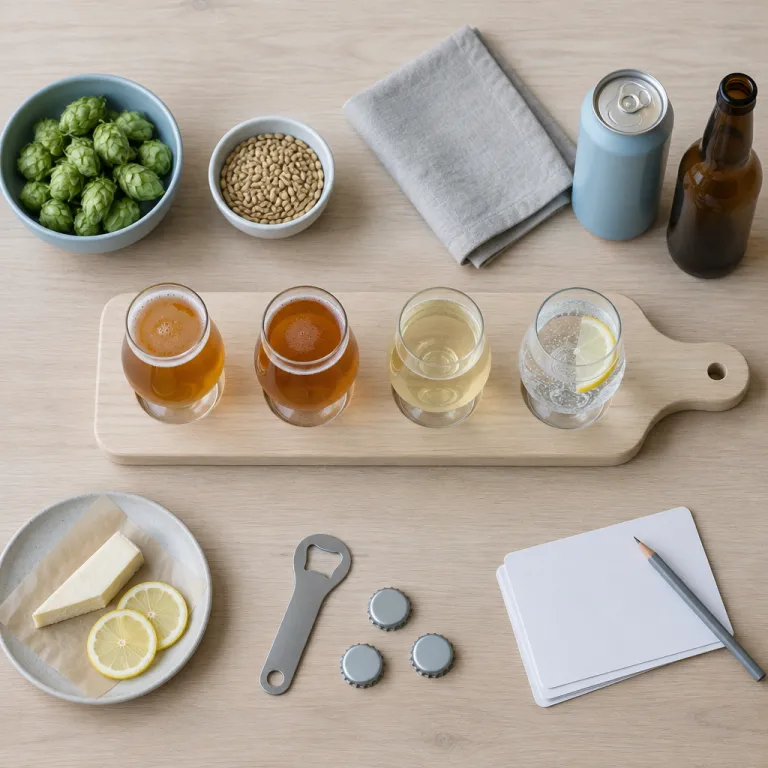
Set up your tasting like a brewer
Treat sober curious craft beer the same way you would a strong barrel-aged stout or a rare IPA. Pour into a clean glass, not straight from the can or bottle. Aim for a moderate pour that builds a small head ; this releases aroma compounds that brewing science has worked hard to preserve, even without (or with less) alcohol.
Start with lighter styles first (pilsners, wheat beers, pale ales), then move to darker or more intensely hopped options. This prevents bold flavors from overwhelming your palate too early.
Use all your senses, not just taste
Look at the beer : color, clarity, and foam tell you a lot. A bright, stable head suggests good carbonation and protein structure, which can be harder to nail in low and no-alcohol recipes.
Then smell. Gently swirl the glass and take a few short sniffs. Note hops (citrus, pine, tropical fruit, floral), malt (bread, biscuit, caramel), and any yeast character (clove, banana, pepper). Many modern sober curious beers lean on expressive hops and specialty malts to build complexity.
When you sip, focus on three things :
- Flavor – Do the aromas match the taste ? Any surprises ?
- Mouthfeel – Is it thin, creamy, crisp, or full ? Alcohol usually adds body, so pay attention to how the brewer compensated.
- Finish – Does it end dry, sweet, bitter, or clean ? How long do the flavors linger ?
Compare, reflect, and keep notes
Line up a few different sober curious craft beers and compare them side by side. Notice which ones feel closest to their alcoholic counterparts and which lean into their own identity. Jot down quick notes on aroma, flavor, and balance. Over time, you will build a personal map of styles and breweries that fit your mindful drinking goals.