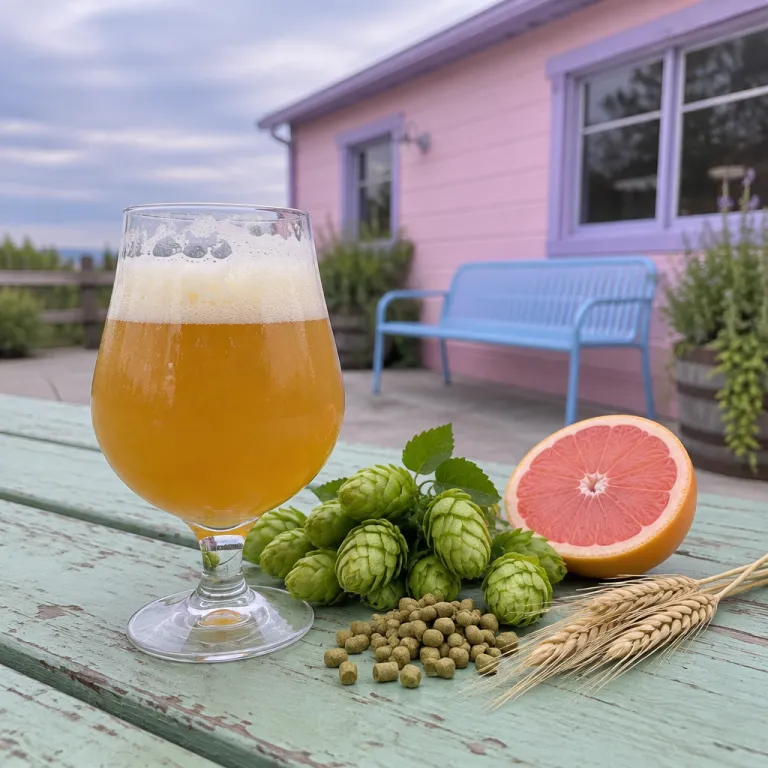
What makes a dipa more than just a bigger ipa
How double ipa turns the dial past “strong”
Double IPA, often shortened to DIPA, is not just an IPA with more alcohol. It is a style built around intensity ; more malt, more hops, and more fermentation power all working together. That extra punch is why it feels different in your glass and in your head.
The starting point is the grain bill. Brewers use a larger amount of malt, which raises the original gravity of the wort. More fermentable sugars mean the yeast can create more alcohol. To keep the beer from becoming heavy and syrupy, they often choose pale base malts and a touch of specialty malt for color and light sweetness, rather than a rich, bready profile.
Then come the hops. Because the malt base is bigger, the hop load has to increase too, or the beer would taste flabby. That is why DIPAs often feature huge late hop additions and dry hopping. If you are curious how brewers pick those hop varieties, this guide on choosing the best hop varieties for IPA homebrew shows the logic behind those choices.
Yeast and fermentation also play a role. A clean, high-attenuating yeast strain helps the beer finish drier than you might expect from such a strong brew. That dryness keeps the body from feeling too thick and lets the hop character shine, which you will explore more when you start tasting DIPAs side by side and comparing them with regular IPAs and pale ales.
All of this means a DIPA is carefully engineered power. Understanding that balance will help you appreciate the flavors, evaluate different examples, and enjoy them responsibly later on.
How hops shape the flavor of dipas
Why hops matter even more in a dipa
In a regular IPA, hops share the stage with malt. In a double IPA, hops are the headliners. The higher alcohol and bigger malt base need intense hop character to keep the beer from feeling heavy or syrupy. That is why brewers load dipas with far more hops than pale ales or standard IPAs.
Hops bring three main things to a dipa ; bitterness, aroma, and flavor. Bitterness keeps the sweetness in check. Aroma and flavor give you all those juicy, piney, or dank notes that make each dipa feel unique.
Hop varieties and the flavors they bring
Different hop varieties push a dipa in very different directions :
- Citrusy hops (Citra, Amarillo) ; orange, grapefruit, lime, and tropical fruit notes.
- Piney and resinous hops (Simcoe, Chinook) ; classic West Coast “pine forest” character.
- Fruity and juicy hops (Mosaic, Galaxy) ; mango, passion fruit, blueberry, and stone fruit.
- Dank or herbal hops (Columbus, Nugget) ; earthy, spicy, sometimes slightly oniony.
Because dipas use so many hops, these flavors feel amplified. A hop that seems gently citrusy in a pale ale can taste like straight fruit juice in a double IPA.
Bitterness, timing, and modern hop techniques
How and when hops are added matters as much as which ones are used. Early boil additions build firm bitterness. Late boil and whirlpool additions boost flavor. Dry hopping after fermentation explodes aroma without adding much bitterness.
Modern dipas often lean on huge late and dry hop charges, giving intense aroma with smoother bitterness. If you want a concrete example of how far hop character can go, look at a hop-bomb like Space Dust IPA flavor and strength ; many dipas push that profile even further.
Tasting a dipa like a pro without being snobby
Setting up your first sip
Start by pouring your double IPA into a clean tulip or snifter glass. These shapes trap aroma and let you swirl gently. Aim for a steady pour that builds a tight, creamy head ; that foam carries a lot of hop oils and aroma compounds.
Before drinking, take two or three short sniffs instead of one huge inhale. You are looking for layers ; citrus, tropical fruit, pine, resin, dank notes, maybe even a touch of alcohol warmth. If you have tried smoked beers or read about rauchbier and other smoked styles, you already know how powerful aroma can be in shaping flavor.
Breaking down flavor without overthinking it
Take a small sip and let it coat your tongue. Notice sweetness up front, bitterness at the back, and how quickly each fades. Ask yourself :
- Is the bitterness sharp and biting, or smooth and rounded ?
- Do the hops lean more citrus, tropical, stone fruit, pine, or herbal ?
- Does the malt feel like a soft cushion (bready, slightly caramel) or stay in the background ?
You do not need fancy vocabulary ; comparing what you taste to familiar fruits, herbs, or candies is enough.
Staying relaxed and sharing the experience
To avoid sounding snobby, keep your focus on what you enjoy, not on judging the beer as “right” or “wrong”. Invite friends to share what they taste and compare notes with other IPAs or pale ales you know well. A simple “this feels juicier than my usual IPA” or “the bitterness hangs on longer than in a pale ale” is already expert-level observation, just without the attitude.
Comparing dipas, ipas and pale ales without getting lost
Seeing the family resemblance
Think of pale ale, IPA, and DIPA as members of the same family, sharing a base but turning the volume up in different ways. All three lean on hops for aroma and bitterness, and malt for sweetness and body. The differences are mostly about intensity, balance, and how they feel as you drink them.
Pale ale ; the easygoing sibling
Pale ales usually sit at the lower end of bitterness and alcohol. They are often:
- More balanced between malt and hops
- Lighter in body and easier to drink in quantity
- Great “all-rounder” beers with food
Flavors tend to be gentle ; citrus, light caramel, maybe a touch of biscuit. If you are new to hop-forward beers, pale ale is often the friendliest starting point.
Ipa ; the hop-forward middle ground
IPAs push hops further. Bitterness is more assertive, aromas are brighter, and alcohol is usually higher than pale ale. You will notice:
- Stronger hop aroma (citrus, pine, tropical fruit, resin)
- More bitterness, especially in classic West Coast styles
- A slightly fuller body to support the hops
This is where hop character really takes center stage, setting the stage for what happens when you move up to a DIPA.
Dipa ; intensity with a cost
DIPAs amplify everything you find in an IPA ; more hops, more malt, more alcohol, and often more sweetness. The key differences you will feel are:
- Heavier body and richer mouthfeel
- Denser hop flavor and aroma, sometimes almost juicy or sticky
- Noticeable warmth from the higher ABV
When you compare them side by side, pale ale feels refreshing, IPA feels bold, and DIPA feels like a special-occasion sipper rather than an all-night pint.
Practical tips for enjoying dipas safely and finding good ones
Smart ways to enjoy the punch of a dipa
DIPAs are intense ; that is part of their charm. A few simple habits help you enjoy that intensity without overdoing it.
- Check the ABV before you order – Many DIPAs sit between 8–10 % ABV or more. Treat one pint like two regular beers and pace yourself accordingly.
- Start small – If a bar offers half-pours or tasting glasses, use them. You can explore more options without accidentally going overboard.
- Alternate with water – A glass of water between DIPAs keeps your palate fresher and slows your drinking rhythm.
- Pair with real food, not just snacks – A solid meal (protein and fats, not only chips) helps your body handle the alcohol and lets you appreciate the hop flavors instead of just the burn.
Finding dipas that are actually worth your time
Because DIPAs are all about hop character and balance, freshness and quality matter a lot.
- Look for canning or bottling dates – Hop aroma fades quickly. Aim for DIPAs packaged within the last couple of months, especially for hazy or juicy styles.
- Trust breweries that care about hops – Breweries known for well-made IPAs usually handle DIPAs well too. If a brewery is transparent about hop varieties and processes, that is a good sign.
- Use your tasting notes – When you find a DIPA you like, jot down the hop varieties and any standout flavors. Over time, you will spot patterns that match your preferences.
- Ask staff for guidance – Bartenders and shop owners often know which DIPAs are freshest and which styles lean more bitter, more juicy, or more malty, so you can match them to your mood.