How to read a german stein, materials, lids and what they really mean
Understanding the story behind every stein
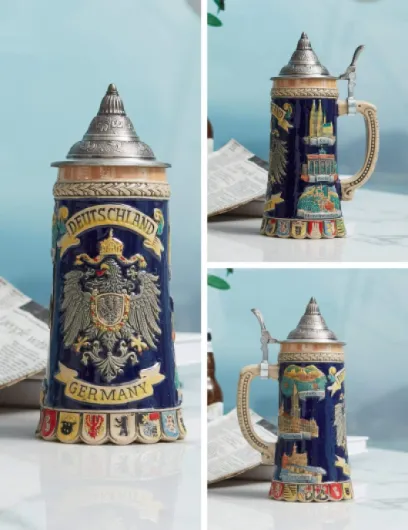
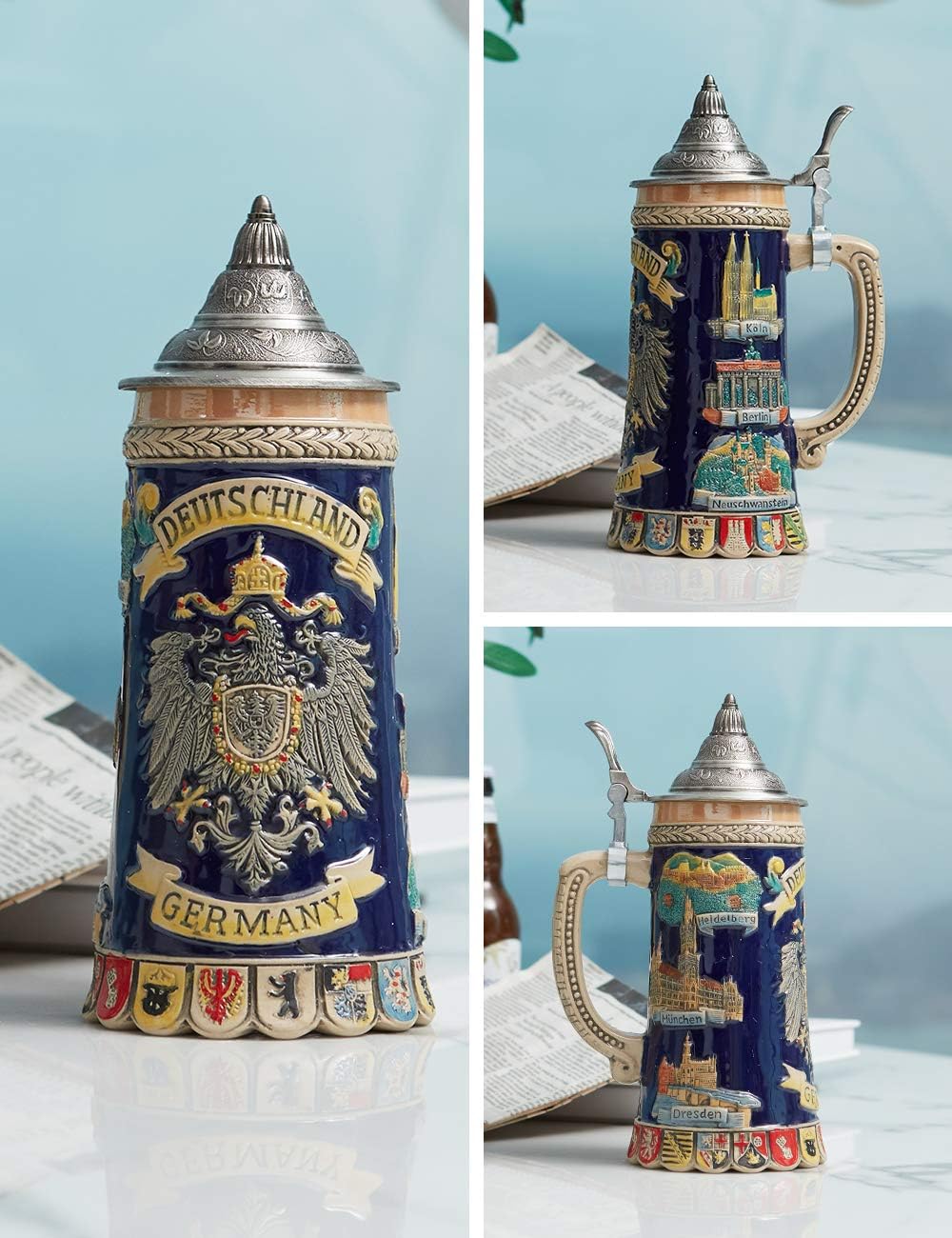
Reading a German beer stein is a bit like reading a short, illustrated story. The scenes, shapes, and details are rarely random. They often reflect regional pride, military history, folk tales, or important events. Before you judge a piece, take a slow look at the imagery, the text (if any), and even the base. Many collectors keep a reference guide or bookmark a reliable online resource such as German steins and tankards guide to help decode motifs and marks.
Key materials and what they tell you
Most traditional steins are made from one of four main materials, each with its own meaning :
- Stoneware – The classic choice. Durable, slightly heavy, and perfect for raised relief scenes. Often associated with everyday use and regional breweries.
- Porcelain – Finer and more delicate, usually with detailed painted scenes. These often lean toward decorative or commemorative pieces.
- Pewter – Sometimes used for the entire body, but more often for lids and mounts. Older pewter can show soft wear and a warm patina.
- Glass – From simple clear glass to richly cut crystal. These highlight the beer itself and are common in more modern or festive designs.
Lids, thumblifts, and hidden clues
The lid is more than a cover. Early steins used pewter lids for hygiene, but over time they became a canvas for craftsmanship. Look at :
- Shape – Conical, flat, or ornate domes can hint at the era and region.
- Finial – Little figures, animals, or symbols on top often echo the main theme of the stein.
- Thumblift – This small lever can feature crests, initials, or dates, giving clues about the original owner or occasion.
Trusted german manufacturers and what sets their beer steins apart
Names that still stand for real craftsmanship
When you start looking at serious German beer steins, a few historic manufacturers appear again and again. These are the makers collectors trust because they combine traditional methods with consistent quality. Knowing their names helps you separate mass-produced souvenirs from pieces that will hold value over time.
Well-regarded factories typically keep production in Germany, use time-tested molds, and pay close attention to glazing and firing temperatures. That is what gives a stein its satisfying weight, crisp details, and the reassuring “clink” when you set it down. Many also maintain archives of old designs, so modern pieces still echo classic motifs you may have learned to read earlier in your stein journey.
What sets premium makers apart from the rest
Trusted manufacturers stand out in a few clear ways :
- Material consistency : High-grade stoneware or porcelain, with even walls and no gritty feel inside the body.
- Sharp relief work : Figures, crests, and scenes remain crisp, not blurred or “melted” around the edges.
- Quality lids and fittings : Solid pewter or other metals, snug hinge action, and no wobble when you raise the lid.
- Authentic markings : Maker’s marks, capacity stamps, and sometimes limited-edition numbers that support long-term value.
Many of these brands also collaborate with breweries, festivals, or cultural institutions, creating themed series that appeal to both beer fans and history lovers. If you already enjoy collecting brewery memorabilia or a Guinness branded shirt, a stein from a respected German maker can become the centerpiece of your collection.
As you compare prices later on, keep these manufacturers in mind. A recognizable, reputable mark on the base often explains why one stein commands a premium while another, similar-looking piece stays firmly in the souvenir category.
How to judge price and value for german steins and tankards
Key factors that influence pricing
Price starts with the basics : age, condition, and rarity. Antique steins in excellent shape, with crisp relief and intact lids, will always command more than modern mass-produced pieces. Limited editions, artist-signed steins, or those tied to historic breweries or events usually sit at the higher end of the scale.
Materials matter too. Handcrafted stoneware, fine porcelain, and genuine pewter or silver lids are valued above lightweight pot metal or generic glass. The more work that went into the mold, painting, and finishing, the more you can expect to pay.
Understanding value beyond the price tag
Value is not only what the market says ; it is also what the stein brings to your collection and rituals. A mid-priced stein from a respected maker, with a design that reflects your favorite beer style or region, can be more “valuable” to you than a rare piece that never leaves the shelf.
Look closely at the details you learned to read earlier : lid fit, hinge quality, clarity of the artwork, and how well the theme speaks to your own beer story. These elements turn a simple container into a long-term companion.
Practical tips for buying smart
- Compare similar steins from the same maker and era to spot overpricing.
- Check for chips, hairline cracks, or repaired lids ; even small flaws should lower the price.
- Ask sellers about provenance, original boxes, or certificates, which can support higher values.
- Decide your budget beforehand and focus on pieces that you will actually use and enjoy with your favorite beers.
Using and caring for your german beer stein so it stays a favorite for years
Making your stein part of your regular beer ritual
Using a German stein is not just about pouring beer ; it is about creating a small ceremony. Rinse the stein with cool water before each use to temper the ceramic or glass and avoid thermal shock. When you pour, tilt the stein slightly, then straighten it to build a modest head that shows off the beer without overflowing.
Match the stein to the beer style, just as you would choose the right lager or wheat beer in your collection. A heavier stoneware stein suits malty lagers, while slimmer glass tankards highlight pale, sparkling beers.
Cleaning habits that protect details and lids
Hand washing is almost always the safest choice. Use lukewarm water, a mild, unscented detergent, and a soft sponge. Avoid abrasive pads that can dull pewter lids, scratch glass, or wear away painted motifs and relief work you learned to recognize earlier.
Never soak wooden or pewter lids for long periods. Instead, wipe them gently with a damp cloth and dry immediately. For steins with metal fittings, stand them upside down at a slight angle so water can drain without pooling around hinges.
Storage, display, and long term preservation
Store your steins in a stable environment, away from direct sunlight that can fade colors and weaken certain glazes. If you display them on open shelves, dust regularly with a soft, dry cloth, paying attention to sculpted details and lid mechanisms.
Give each stein enough space so handles and lids do not knock against each other when you reach for one. For valuable or antique pieces, consider rotating them out of regular use, keeping one or two sturdier steins as your daily drinkware while the more delicate examples remain safe on display.