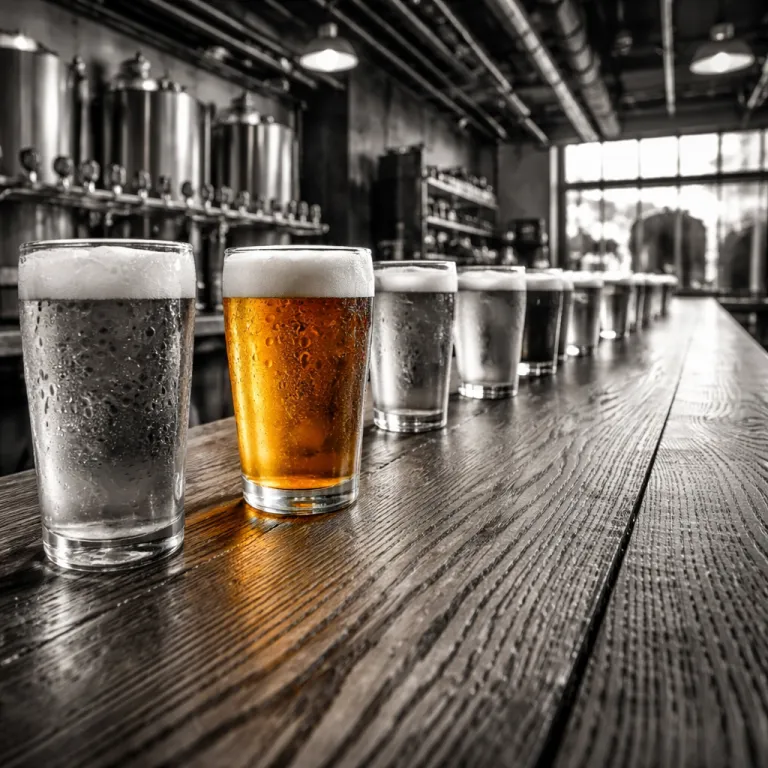
How drinkability became the new badge of honor in beer
From palate wreckers to pint-after-pint beers
Not long ago, the coolest thing in craft beer was the biggest thing : triple IPAs, pastry stouts, and tongue-numbing bitterness. Drinkers chased rare releases, queued for hours, and posted can photos more than they actually drank what was inside. The badge of honor was intensity, not how many relaxed pints you could enjoy with friends.
Today, that badge has shifted. Brewers and drinkers are talking about how a beer drinks – how easily it goes down, how it fits a whole evening, not just a single pour. “Crushable”, “sessionable”, “clean finish”, “balanced” : these words now carry as much weight as “hazy” or “barrel-aged” once did.
Why drinkability suddenly matters again
Several forces pushed drinkability to the front. People are more health-conscious, watching alcohol intake and calories. Social occasions often last hours, so a 4.5 % lager or pale ale feels more practical than a 10 % dessert stout. And many drinkers simply want beer that supports conversation, food, and music – not something that dominates everything else.
At the same time, the market is crowded. Breweries need beers that regulars order again and again, not just hype releases. That repeatability is exactly what drinkability delivers. It is also reshaping how younger drinkers approach beer, how breweries design their lineups, and how we talk about flavor and balance at the bar.
Drinkability as a new kind of craft status
For brewers, making a truly drinkable beer is a technical and creative challenge. There is nowhere to hide flaws in a pale lager or a low-ABV pale ale. When a brewery’s “simple” beer becomes the go-to pint, that is a modern status symbol. You even see it in taproom culture and design, from minimalist glassware to nostalgic vintage beer tin signs that celebrate everyday drinking rather than one-off hype.
Why lighter, balanced beers are winning over younger drinkers
Why younger drinkers are rethinking what “good beer” means
Younger drinkers are not chasing the biggest hop bomb or the highest ABV anymore. They want beers they can actually finish, share, and return to all night without palate fatigue. For many, a “good beer” is now one that fits into social moments, not one that dominates them.
This shift is tied to changing lifestyles. People in their 20s and 30s are more health-conscious, more budget-aware, and less interested in getting drunk fast. They still enjoy flavor and character, but they want balance, lower alcohol options, and beers that pair easily with food. A crisp pilsner, a clean pale ale, or a soft, modern lager feels more compatible with a long evening out than a syrupy pastry stout.
Social media has also reshaped expectations. Instead of posting a single rare bottle, younger drinkers share whole experiences : brewery patios, taproom flights, and casual nights with friends. In that context, drinkability becomes a social lubricant – the beer should support the moment, not steal the spotlight.
There is also a nostalgia factor. Classic styles and retro aesthetics are back in fashion, from old-school glassware to vintage beer signs and bar décor. Lighter, balanced beers fit naturally with this “back to basics” mood, echoing the everyday lagers and bitters that earlier generations drank without fuss.
All of this is pushing breweries to rethink what they brew and how they talk about it. Instead of promising the most extreme flavors, they are highlighting refreshment, balance, and repeatability – themes that run through the rest of this article, from production choices to how we taste and evaluate beer.
How breweries adjust production, recipes and quality for drinkability
Dialing back the extremes in the brewhouse
For years, many breweries chased intensity : higher ABV, more hops, louder flavors. Drinkability flips that script. Brewers are trimming alcohol levels, easing back on aggressive hopping, and focusing on balance. Instead of piling on late and dry hops, they are reworking mash temperatures, water chemistry, and yeast selection to create beers that invite a second pint rather than exhaust the palate.
Recipe design now starts with the question : “Would I want a full pint of this, and another?” That means :
- Moderate bitterness that supports, not dominates
- Cleaner malt bills with fewer specialty malts
- Lower finishing gravities for a crisper, drier profile
- Yeast strains chosen for neutrality and high attenuation
Production choices that protect freshness
Drinkable beers live or die on freshness. A hazy double IPA can hide a bit of age ; a 4.5 % pale ale cannot. Breweries are tightening cold-chain logistics, shortening best-before windows, and investing in better oxygen control at packaging. Smaller batch sizes and more frequent brews keep taplists turning while ensuring that the most popular “all-day” beers are always bright and lively.
Many producers also rethink their core lineups, giving more tank space to lagers, pale ales, and low-ABV specialties. This shift in capacity planning is as strategic as it is technical, aligning with the way younger drinkers actually consume beer in social settings.
Quality as a brand story
As drinkability becomes a selling point, breweries highlight their process : lab testing, sensory panels, and consistency checks. Taprooms increasingly use visual storytelling – from brewhouse tours to curated wall art and craft beer posters and prints – to reinforce a message of care, precision, and everyday enjoyment rather than one-off hype releases.
What the drinkability trend means for the beer market and sales
Why drinkability is reshaping what “success” looks like
When drinkable beers move from niche to norm, the whole market scoreboard changes. Instead of chasing one-off hype releases, breweries are rewarded for beers that people order again and again. That means core ranges and year-round lagers, pale ales, and easygoing IPAs suddenly matter more than limited can drops.
On the sales side, this shift favors consistency over spectacle. Bars and retailers want reliable, fast-moving SKUs that appeal to a broad audience, not just the most vocal beer geeks. A crisp 4.8 % pale ale that sells steadily every week can now be more valuable than a double dry-hopped triple IPA that spikes once and stalls.
How drinkability changes where the money flows
Drinkable beers tend to shine in formats and venues built around repetition. Draft accounts, sports bars, music venues, and casual restaurants all benefit when guests comfortably order a second or third pint. That drives higher volume per visit, which in turn makes these beers more attractive to distributors and wholesalers.
Packaged sales feel the impact too. Multipacks, fridge-friendly 6-packs, and 12-packs of balanced beers gain shelf space because they fit everyday drinking occasions : barbecues, weeknight dinners, and social gatherings where people want flavor without fatigue.
Winners, losers, and the new middle ground
Breweries that built their identity solely on extreme styles may feel pressure as drinkers gravitate toward approachable options. However, those that can pair their creativity with sessionable strength and balance are well positioned. The sweet spot is a portfolio where the “fun” beers bring attention, but the drinkable flagships pay the bills and keep the brand in regular rotation for modern drinkers.
How to taste and talk about drinkable beers like a pro
Key traits to look for in a drinkable beer
When you taste a beer for drinkability, start with balance. No single element should shout over the others. Bitterness, malt sweetness, carbonation, and alcohol warmth need to feel in sync.
- Bitterness : noticeable but not harsh, with a clean finish.
- Malt : enough body and flavor to keep the beer from feeling thin.
- Carbonation : lively, not prickly or flat.
- Alcohol : present but never hot or solvent-like.
Simple tasting steps you can repeat
Use the same quick routine each time so you can compare beers more easily.
- Look : note clarity, color, and head retention. Drinkable beers often look inviting and bright.
- Smell : take two short sniffs. You are checking for clean, fresh aromas rather than intensity alone.
- Taste : take a small sip, then a normal sip. Ask yourself how quickly you want another.
- Finish : pay attention to aftertaste. A highly drinkable beer leaves you refreshed, not coated.
How to talk about drinkability like a pro
Instead of saying only “smooth” or “crushable”, add a bit more detail. Link your comments to the elements that shape drinkability.
- “The bitterness is firm but clears fast, so it stays refreshing.”
- “Light malt sweetness keeps it easy to drink without feeling watery.”
- “Soft carbonation makes it glide across the palate.”
- “The finish is dry and clean, which makes it very sessionable.”
Using this kind of language helps you explain why a beer is easy to drink, and it also gives useful feedback to brewers and friends who are chasing the same modern idea of balance and repeatability.