How to tell real vintage tin from modern retro decor
Why authenticity matters for collectors
Real vintage tin signs are more than metal and paint ; they are snapshots of how breweries once talked to drinkers. A genuine piece was usually made to advertise a specific beer in bars, corner stores or roadside diners. That history gives it a depth you will never get from a mass-produced retro copy, even if the design looks similar at first glance.
Key visual clues on the front
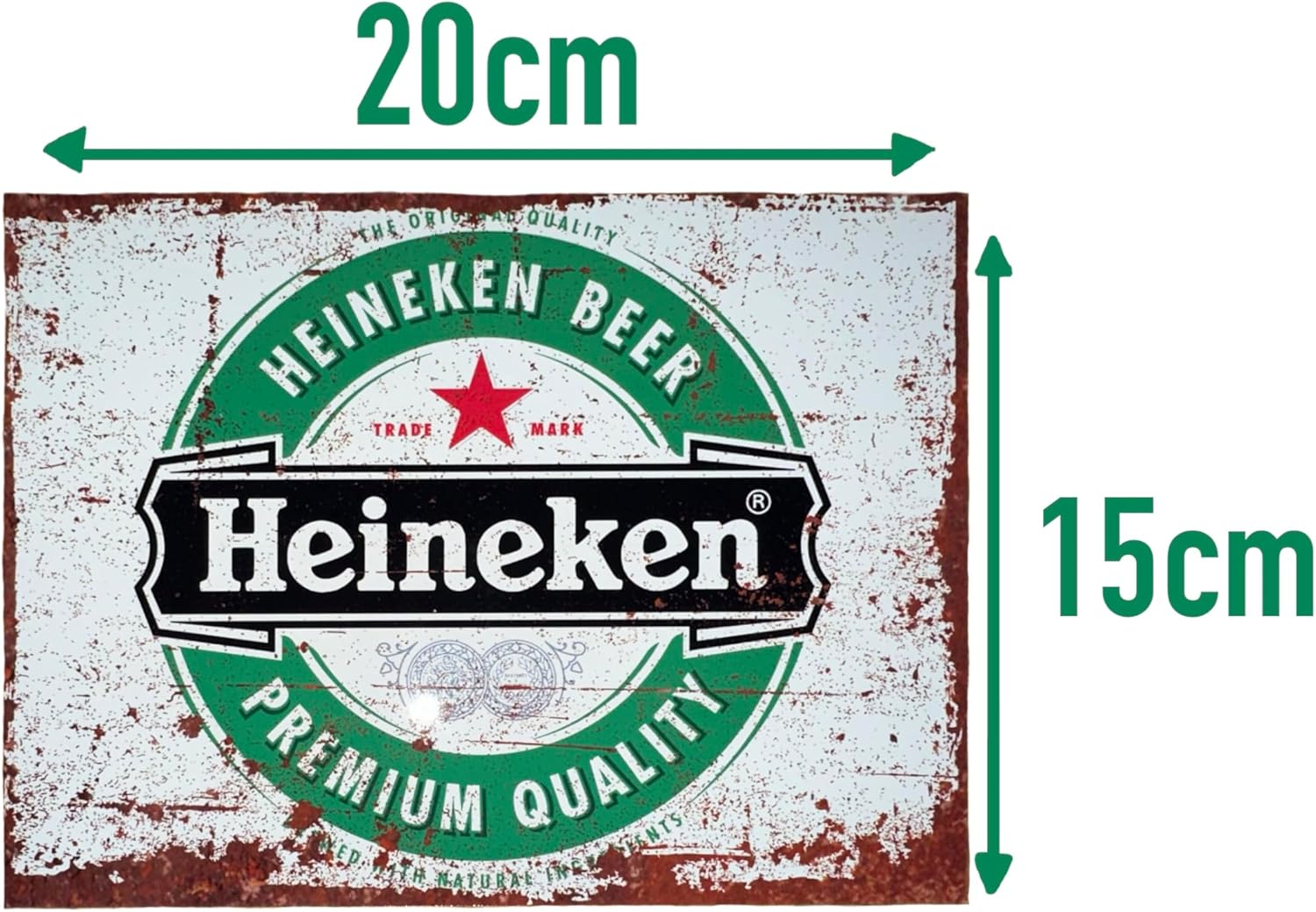
Start with the overall look. True vintage signs often show subtle fading, uneven wear and small scratches in logical places : corners, mounting holes, edges. The colours tend to be slightly muted, not neon-bright. Typography can be a giveaway too. Older logos, slogans and alcohol claims may no longer be legal or used by the brand today, which is part of the charm when you are building a wall of beer history.
Flip it over : the back tells the truth
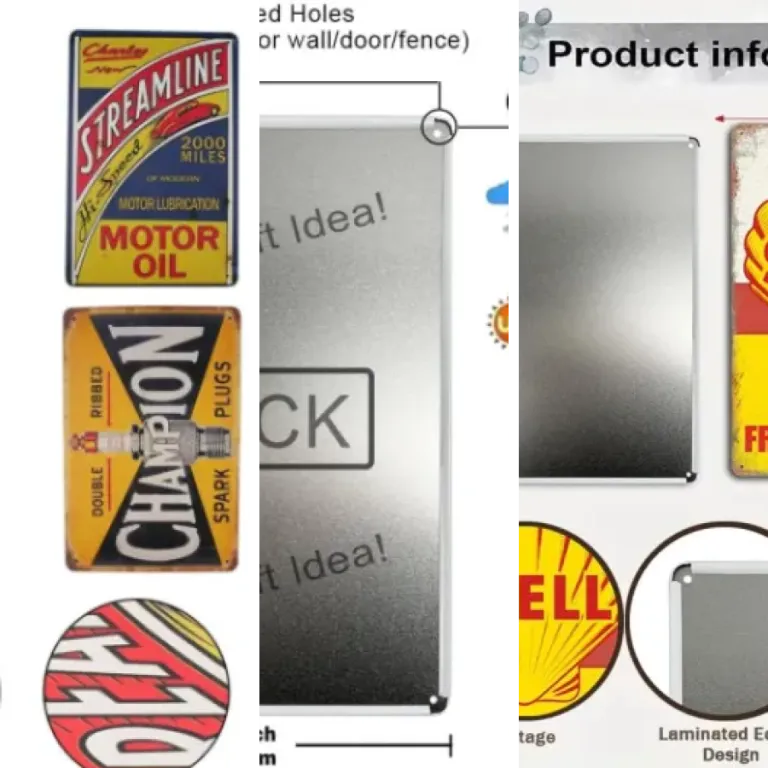
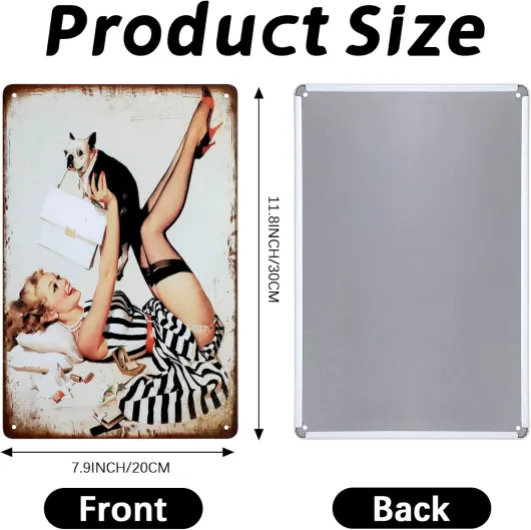
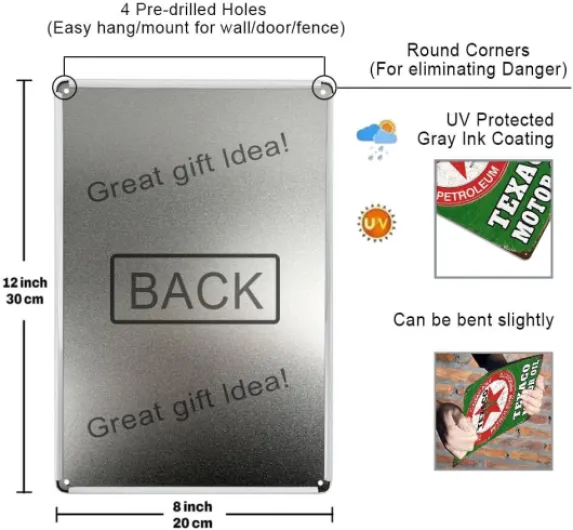
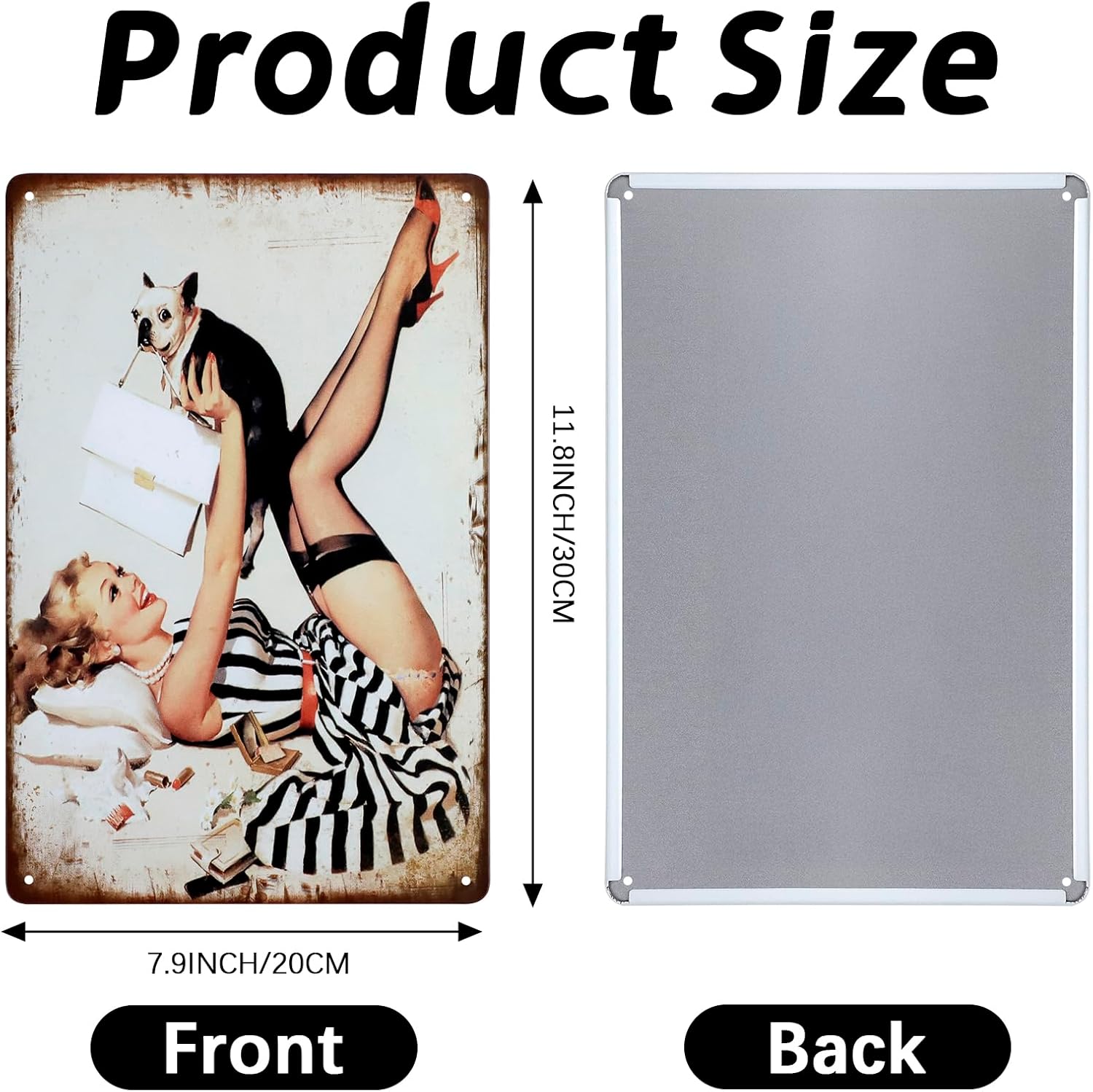
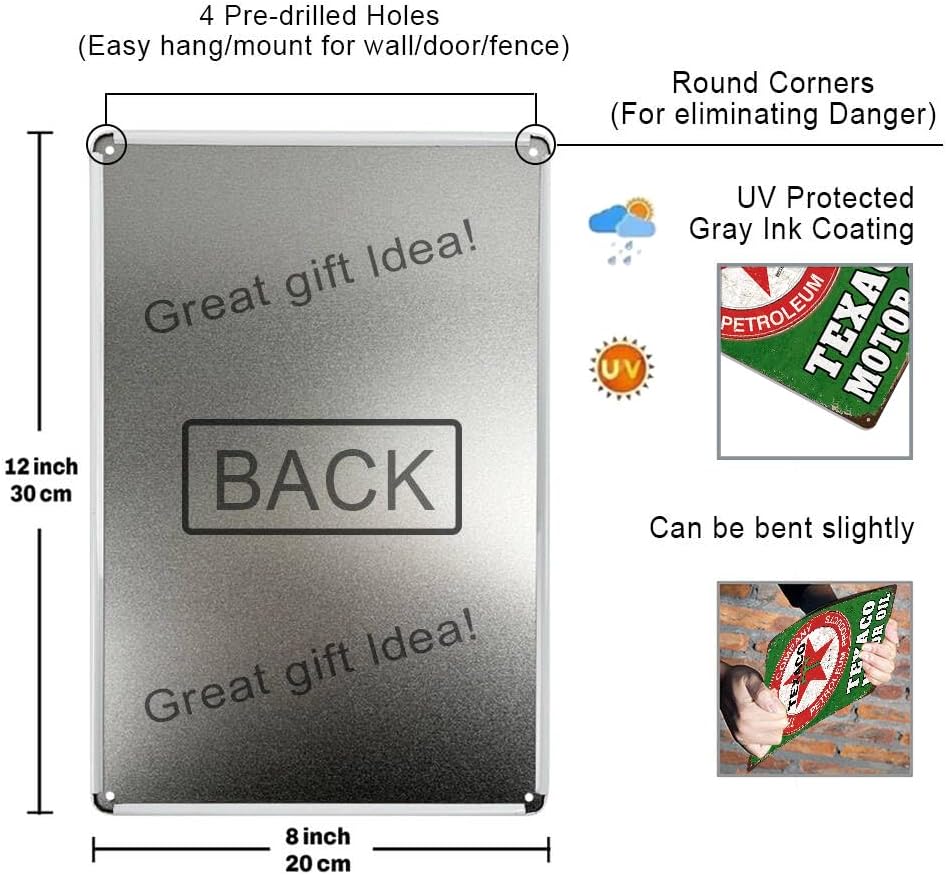
The reverse side is where many fakes fail. Authentic pieces usually have:
- Surface rust or oxidation that looks random, not printed
- Signs of age around nail or screw holes
- Heavier-gauge metal compared with flimsy modern decor
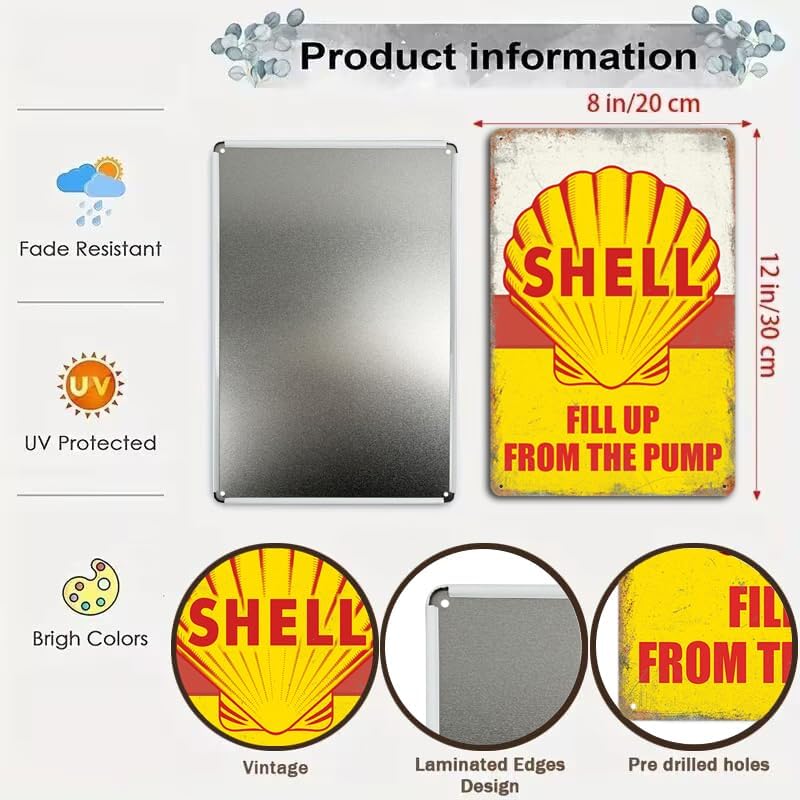
Modern reproductions often have a perfectly clean back, uniform colour and no real patina. Some even print “rust” on the front while the back looks brand new.
Logos, dates and market context
Cross-check the logo and slogan with basic brewery history. If a sign shows a brand style that did not exist in the supposed era, it is likely a repro. This is where following beer news and industry trends helps. Articles on how the craft beer market has shifted can give context for when certain branding waves appeared, which you can then match to the sign in your hands.
Choosing the right size, style and price for your bar or man cave
Picking a size that actually fits your space
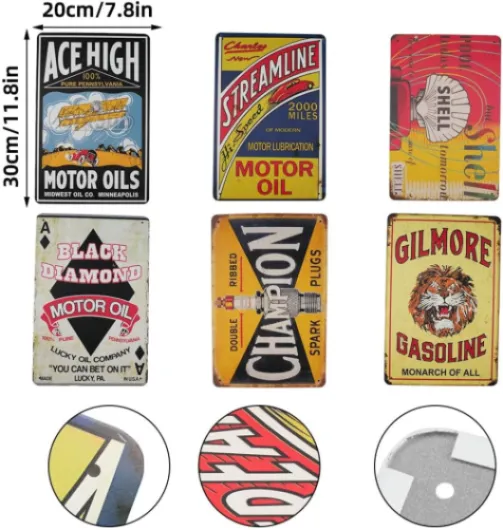
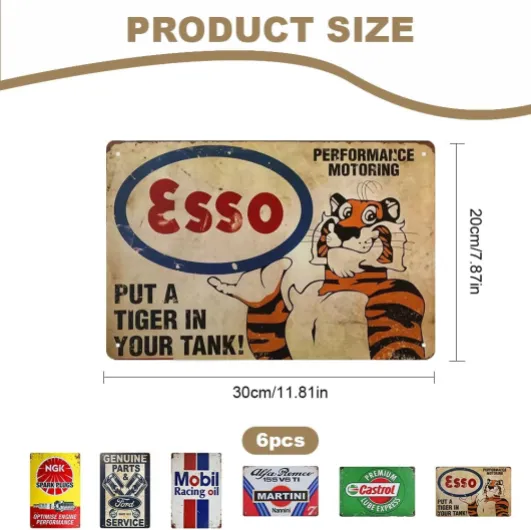
Before falling for a cool design, measure your wall. A single large tin sign can be a bold focal point above a home bar, while smaller pieces work better in tight corners or between shelves. As a rule of thumb, leave some breathing room around each sign so your wall does not feel cluttered.
For a clean, gallery-style look, choose two or three medium signs and align their top edges. If you prefer a more relaxed pub vibe, mix one big centerpiece with a few smaller plates around it.
Matching style to your bar or man cave vibe
The mood you want to create should guide your choice. Classic brewery logos and old advertising plates pair well with dark wood, leather stools and traditional glassware. Bright, cartoonish art or funny slogans fit better in a casual game room with neon lights and sports memorabilia.
Think about colour too. Warm tones (amber, red, cream) echo the look of many beer labels and help tie your wall art to your bottles, taps and coasters. Cooler tones and minimalist graphics suit a more modern craft-beer setup.
Balancing budget, rarity and condition
Real vintage tin signs can range from affordable to serious collector prices. Decide early whether you want a few authentic pieces or a larger mix that includes modern reproductions. Light rust, small scratches and patina can add charm, but heavy dents or missing corners may distract from the design.
If you are unsure where to start, browse a curated selection of top vintage beer tin signs to get a feel for typical price ranges, themes and sizes. From there, you can build a wall that reflects your favourite breweries, eras and drinking stories without blowing your entire beer budget on decor.
Beer history on your wall : brands, posters and funny bar art
From brewery icons to living room legends
When you hang a vintage beer tin sign, you are not just filling a blank space ; you are putting a piece of brewing history on the wall. Old brewery logos, mascots and slogans show how brands tried to stand out in crowded saloons and corner bars. The fonts, colours and layouts often tell you instantly if a sign comes from the pre‑Prohibition era, the post‑war boom, or the bold advertising age that followed.
Many classic signs feature long‑gone breweries or regional brands that were once local heroes. These pieces are like time capsules of hometown pride. Even reproductions, when clearly marked as such, can spark great conversations about how beer styles and marketing have changed over time.
Reading the stories hidden in the artwork
Look closely at the imagery on your tin signs. Pin‑up figures, factory skylines, delivery horses, neon‑style arrows, even old price tags all say something about who the beer was aimed at and how people drank it. A sign showing a family at the dinner table reflects a different culture than one shouting about “ice‑cold lager” for the big game.
Humorous bar art and cheeky slogans also have their place. They echo the banter of taprooms and beer halls, and they can balance more serious historical pieces in your display. Mixing brand history with light‑hearted jokes keeps your wall from feeling like a museum and makes it feel like a bar again.
Curating a visual beer timeline
As you build your collection, think in terms of eras, regions or themes. Grouping signs by style or decade can turn your bar or man cave into a visual timeline of beer culture, linking the stories behind the labels to the glasses in your hand.
Practical tips to hang, mix and care for vintage wall art
Getting your layout right on the wall
Before you grab the hammer, lay your vintage tin signs on the floor and play with different layouts. Start with one main piece as a focal point, then build around it with smaller signs. Keep a consistent gap between each sign ; a simple trick is to use a piece of cardboard as a spacer so your wall looks intentional, not random.
Think about eye level too. The centre of your main sign should roughly match your eye height when you are standing at the bar or sitting on your favourite stool. This ties in nicely with the way you chose sizes and styles earlier, making the whole room feel balanced.
Safe and easy ways to hang metal signs
Most tin signs are light, so you rarely need heavy-duty anchors. In many cases, small nails or picture hooks are enough. If you are renting or do not want to damage the wall, use removable adhesive strips rated for metal and the weight of your sign.
When hanging above a couch, bar or table, leave a bit more space than you think you need. This keeps the signs safe from bumps and splashes, especially in busy home bars or man caves.
Cleaning, storage and long-term care
Vintage tin signs do not like harsh chemicals. Use a soft, dry cloth for regular dusting. For sticky spots, a slightly damp cloth with mild soap is fine, but dry the metal right away to avoid rust.
If you rotate your collection, wrap unused signs in acid-free paper or soft cloth and store them upright in a dry place. Avoid basements or attics with big temperature swings. With a bit of care, your wall art will age as gracefully as a well-kept cellar beer.