How taproom culture changed the way we drink beer
From barstools to shared tables
Not long ago, drinking beer usually meant bellying up to a bar, ordering a pint, and keeping mostly to yourself or your group. Taprooms flipped that script. Long communal tables, open floor plans, and a clear view of the brewhouse invite you to be part of what is happening, not just a customer on the other side of the counter.
Instead of dim lighting and blaring TVs, many taprooms lean into natural light, board games, and conversation-friendly music. The focus shifts from “How many beers can we sell ?” to “What kind of experience are people having together ?” That change in mindset is a big reason taprooms feel more like neighborhood gathering spots than traditional bars.
Fresh beer, visible craft
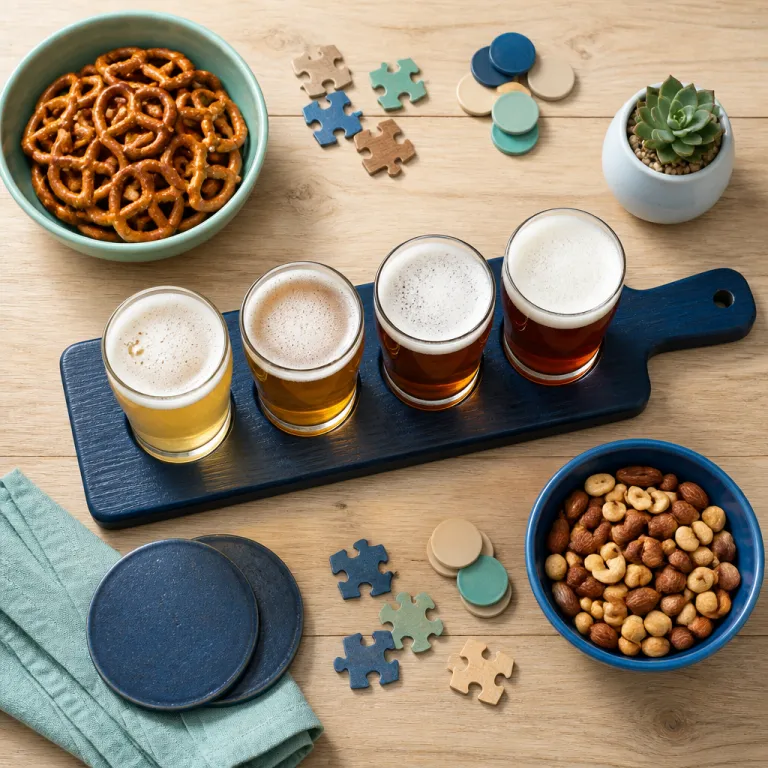
Taproom culture also changed how we think about freshness and flavor. Drinking a beer a few metres from where it was brewed makes people curious. They ask about ingredients, brewing methods, and seasonal releases. Breweries respond with tasting flights, staff training, and storytelling around each beer.
This direct connection has helped small producers thrive. When guests can talk to the brewer, see the tanks, and hear the story behind a recipe, they are more likely to support that brand long term. In some cases, that community support has even helped revive historic names and keep local beer heritage alive, as seen with projects like the rescue of a beloved craft beer legend.
As we will see with neighborhood-focused breweries, regional scenes such as San Diego, and the mix of food, music, and events, taprooms have turned beer drinking into a social ritual that extends far beyond what is in the glass.
Why community breweries feel like a second home
Why a taproom feels different from a regular bar
Walk into a good community brewery and you notice it right away. The lighting is softer, the music is lower, and the bar staff actually talks to you about what is in your glass. Instead of rows of televisions, you see board games, long tables, and people chatting with strangers. The focus is not only on drinking beer, but on sharing time and stories.
Many taprooms are built around open spaces and communal seating. This layout encourages you to sit next to people you do not know yet. Regulars start to recognize each other, and over time the room feels less like a business and more like a familiar gathering place.
The people who turn a brewery into a “second home”
Staff play a huge role in this feeling. Bartenders remember your name, your usual style, and sometimes even what you tried last time. Brewers step out from the tanks to pour samples and explain new releases. That direct connection with the people who make the beer creates trust and a sense of belonging.
Guests shape the atmosphere too. Homebrewers bring in bottles to share. Local clubs meet at the same table every week. Parents roll in with strollers during the afternoon, then the after-work crowd fills the room later on. Everyone learns the unspoken rules : be respectful, be curious, and enjoy the beer together.
Rituals, style, and the culture of belonging
Over time, small rituals appear : weekly trivia, seasonal release parties, or a favorite food truck night. Even what people wear becomes part of the identity. Taproom regulars often show off brewery hoodies, caps, and other pieces of beer culture fashion, turning the space into a living showcase of shared passion.
San Diego craft beer and the rise of the neighborhood taproom
Why San Diego became a model for neighborhood taprooms
San Diego did not just add more breweries ; it reshaped how a city relates to beer. Instead of hiding production in industrial zones, many breweries opened small, walkable taprooms in residential pockets and mixed-use districts. That shift turned beer from a special-occasion outing into part of everyday neighborhood life.
In places like North Park, Miramar, and Oceanside, you can stroll a few blocks and pass multiple taprooms, each with its own personality. One might lean into West Coast IPAs and sports on TV, another into mixed-fermentation saisons and board games, another into lager-focused pints and a quiet patio. The common thread is that locals treat these spaces like a corner café or a favorite diner : somewhere you drop in without a big plan.
San Diego’s taprooms also helped normalize family- and dog-friendly beer culture. Picnic tables, roll-up garage doors, and shared outdoor spaces made it easy for parents, groups of friends, and solo regulars to coexist. Food trucks parked outside turned a quick pint into an easy dinner, while rotating events—trivia, charity nights, brewer Q&As—gave people reasons to return beyond the beer list.
Visual identity plays a big role too. Murals, custom glassware, and curated beer art prints and posters help each taproom feel distinct while still recognizably “San Diego.” That sense of place echoes what you feel in other sections of this article : beer is the anchor, but the real draw is belonging.
Today, many cities borrow from the San Diego playbook—smaller neighborhood taprooms, approachable beer lineups, and community-first programming. The result is a model where the brewery is not just where beer is made ; it is where the neighborhood meets.
From beer styles to food and music : what makes a taproom night memorable
Why the right beer lineup sets the tone
Walk into a great taproom and the beer board tells a story. A balanced lineup usually offers a crisp lager or pilsner, a couple of hop-forward IPAs, a maltier amber or brown ale, and at least one dark beer. Rotating seasonals and small-batch experiments keep regulars curious and give the brewer room to play.
That variety matters. It lets a mixed group of friends all find something they enjoy, from the person who “doesn’t like beer” to the hop fanatic chasing the latest double dry-hopped release. When everyone has a glass that fits their taste, conversation flows more easily and people tend to linger.
Food that fits the beer, not the other way around
Food trucks, pop-up kitchens, or a small in-house menu all shape the night. The best taprooms think in pairings rather than just filling stomachs. Spicy tacos with a citrusy pale ale, rich barbecue with a roasty stout, or a soft pretzel with a clean lager can turn a simple visit into a mini tasting experience.
Many community-focused breweries also host themed food nights. A weekly pizza collab or ramen pop-up gives regulars a ritual and a reason to bring new friends along.
Music, events, and the rhythm of the room
Music is the invisible glue of a taproom night. A well-curated playlist or low-key live set creates energy without drowning out conversation. Acoustic duos, jazz trios, or vinyl nights often work better than full rock bands in smaller spaces.
Layer in trivia, open mics, or beer-and-cheese pairings, and the taproom becomes more than a place to drink. It turns into a shared living room where the soundtrack, the flavors, and the people all blend into one memorable evening.
How to support your local beer community and enjoy taproom culture
Simple ways to be a regular who really matters
Supporting your local taproom starts with the basics. Tip fairly, treat staff with respect, and follow house rules so everyone feels welcome. If you like a beer, say so. A quick compliment to the bartender or brewer goes a long way and helps them understand what the community enjoys.
Show up on slower nights, not just for the big releases. Weeknights, early evenings, and rainy days are when your presence really counts. Bring a friend or two, share a flight, and make space at the bar for new faces.
Put your money where your pint is
Every tab helps keep the lights on, but there are extra ways to support the business side of your neighborhood brewery:
- Buy crowlers, growlers, or cans to go instead of only drinking on site.
- Pick up merch like shirts, hats, or glassware to spread the word.
- Join a mug club or membership program if they offer one.
- Choose the taproom for birthdays, meetups, or casual work gatherings.
When you travel, look for breweries that share this community-first mindset. The more you support them, the stronger the wider craft beer culture becomes.
Be part of the culture, not just the crowd
Taproom culture thrives when guests participate. Attend trivia nights, live music, or beer-and-food pairings like those you might have read about earlier. Sign up for brewery tours or tasting classes to deepen your understanding of styles and brewing techniques.
Follow your favorite breweries on social media, share their events, and leave thoughtful reviews that highlight what makes their space feel like a neighborhood living room. Most importantly, be the kind of guest who welcomes others, starts conversations, and helps turn a room full of strangers into a community.