Summary
Editor's rating
New World Pilsner: how the beer actually turned out
Is it good value for an 8‑pint starter kit?
Compact setup that fits in a small kitchen
Plastic demijohn, metal keg: decent but not premium
Plain packaging, decent protection
What you actually get in the box
Does it actually let you brew beer without drama?
Pros
- Complete 1‑gallon starter kit with all the basic tools and a reusable metal party keg
- Compact design that fits easily in small kitchens and is simple to store
- Instructions and equipment make it easy for beginners to get a decent, drinkable first batch
Cons
- Small 8‑pint batch size makes it less economical per pint than larger kits
- Plastic fermenter and basic accessories may feel limited if you plan to brew often
- Instructions could use clearer diagrams and more troubleshooting tips for total beginners
Specifications
View full product page →| Brand | Harris Homecraft |
| Colour | New World Pilsner |
| Package Dimensions | 35 x 20 x 10 cm; 1.1 kg |
| Material | Plastic |
| Item Weight | 1.1 kg |
| ASIN | B0DX2JZCB7 |
| Date First Available | 13 Feb. 2025 |
A tiny brewery on your kitchen counter
I used the Dark Rock Small Batch Beer Making Starter Kit (New World Pilsner, 1 gallon) as a complete beginner setup for a small home brew. I’ve brewed a couple of beer kits before with buckets, but this was my first go with a 1‑gallon demijohn and a small party keg. I went through one full batch from unboxing to first pint, which took about three weeks in total including fermentation and conditioning. So this isn’t a lab test, it’s just how it went in a normal flat with a small kitchen and no fancy gear.
The first thing that struck me is that it really is a full starter kit: demijohn, airlock, sanitiser, syphon, hydrometer, thermometer strip, and the reusable metal keg. You don’t need much else apart from basic stuff like a kettle, some sugar (depending on the instructions) and somewhere reasonably warm. I liked that I didn’t have to hunt around online for missing bits; it’s basically plug and play for a first batch.
In day‑to‑day use, the kit feels like it’s aimed at people who want to test home brewing without filling half the house with gear. It’s only 1 gallon / 5 litres, so you get roughly 8 pints. That’s not much if you’re used to 40‑pint kits, but for a first try it’s actually quite handy: less to carry, less to clean, and if you mess it up, you haven’t wasted loads of ingredients. I brewed the New World Pilsner during a pretty average UK spring (room temp around 19–21°C), which is within the typical range for this style.
Overall, my first impression after the full cycle is: it’s a pretty solid beginner kit that does what it says. It’s not the cheapest way to get into brewing if you plan to scale up quickly, and it’s not super fancy either, but it’s practical. You get enough tools to actually learn the basics—like using a hydrometer and a syphon—without being buried in accessories. If you’re expecting brewery‑level control, you’ll be disappointed, but for a first step and a bit of fun at home, it gets the job done.
New World Pilsner: how the beer actually turned out
I brewed the included New World Pilsner exactly as per the instructions, keeping fermentation around 20°C according to the LCD strip. Fermentation kicked off within about 18 hours, bubbled strongly for three days, then slowed down. I took hydrometer readings on day 7 and day 10; they stabilised, so I transferred to the keg and left it to condition at room temperature for another 10 days. So from start to first proper pint, you’re looking at just under three weeks if you’re patient.
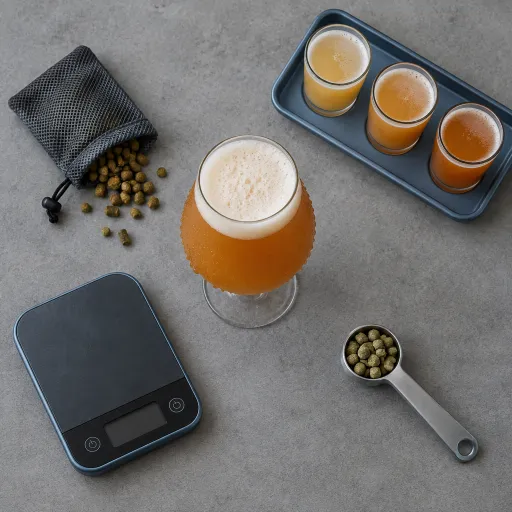
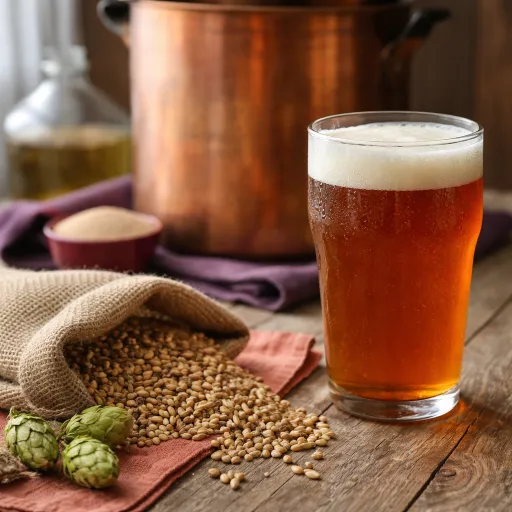
In the glass, the beer was a light golden colour with a bit of haze. Not crystal clear, but for a first small batch in plastic that didn’t bother me. Head retention was okay: you get a decent foam at the start that slowly fades but doesn’t vanish instantly. Carbonation was on the moderate side. It wasn’t flat, but don’t expect pub‑level fizz unless you really dial in your priming sugar and conditioning time. I used the priming amount suggested and it felt fine for casual drinking, just not super lively.
On the taste side, the beer is decent but nothing more, which for a starter kit is honestly fine. You get a clean malt base, a light bitterness, and a small hop aroma from the “New World” hop T‑bag. It’s clearly not a full‑on craft IPA or anything like that. Compared to supermarket canned pilsners in the budget to mid range, I’d say it lands somewhere in the same ballpark, maybe a bit fresher tasting because you’ve just brewed it. There were no off flavours like strong banana, vinegar, or cardboard, which means the kit and process are solid enough if you sanitise properly.
My partner, who isn’t into homebrew at all, tried a pint and said, “Tastes like a normal lager, maybe a bit softer.” That’s pretty much how I’d sum it up. If you’re chasing complex flavours or very specific styles, this kit won’t blow your mind. If your goal is: “Can I make a drinkable beer at home without ruining it?”, then yes, you absolutely can with this. The main satisfaction is that you brewed it yourself. The taste is good enough for a relaxed evening, but it’s not something you’d brag about to hardcore beer nerds.
Is it good value for an 8‑pint starter kit?
On the value for money side, this kit sits in an interesting spot. You’re paying for a full set of equipment plus a 1‑gallon beer kit and a reusable keg. If you tried to buy all the parts separately—demijohn, airlock, hydrometer, syphon, sanitiser, thermometer, small keg—you’d probably end up spending a similar amount or slightly more, especially if you include shipping from different places. So as a bundle, it makes sense, especially if you’re new and don’t know exactly what to buy.
Where the value feels a bit mixed is the batch size. You only get about 8 pints per brew. If you divide the total price by 8, the cost per pint on the first run is obviously higher than bigger 40‑pint kits. But that’s not really the point here. This is more about paying for an easy introduction to brewing and a compact setup than chasing the lowest price per pint. On your second and third brews, if you just buy ingredient refills, the cost per pint comes down quite a bit because you’re reusing the demijohn and keg.
Compared to other beginner kits I’ve seen, this one sits roughly in the middle: not dirt cheap, not overpriced. You do at least get a metal keg instead of just bottles or a simple plastic tap. That keg is what nudges the value up for me, because you can keep using it even if you later move to a bigger fermenter. If you already own some brewing gear, the value is obviously lower—you’d be paying again for things you might already have, like a hydrometer and sanitiser.
So in simple terms: if you’re totally new to brewing and want a compact, all‑in‑one box to try it out, the price is fair and the experience you get is worth it. If your main goal is cheap beer in bulk, this is not the most economical route; you’d be better off with a larger 5‑gallon bucket kit. For curious beginners or people buying a practical gift for a beer fan, I’d say the value is good, as long as you understand you’re paying partly for convenience and a gentle learning curve, not just the raw volume of beer.
Compact setup that fits in a small kitchen
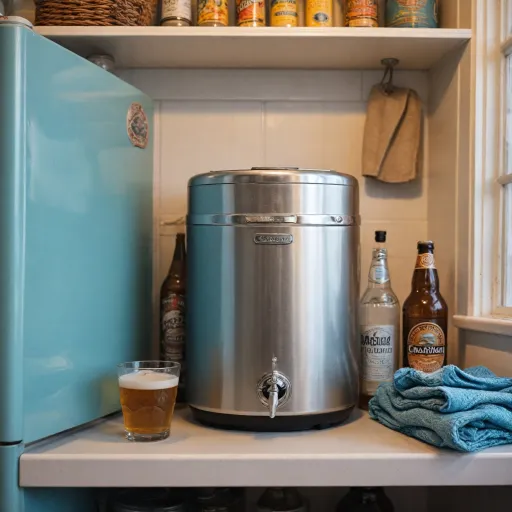
The overall design of this kit is clearly aimed at people with limited space. The 1‑gallon demijohn is tall and slim, so it fits easily on a countertop or in a cupboard. I kept mine on top of the fridge during fermentation, and it didn’t get in the way. The drilled lid with grommet holds the airlock firmly, and I never had any leaks or weird smells coming out, apart from a normal light beer smell when fermentation was most active.
The party keg is the most interesting bit from a design point of view. It’s a small metal keg that looks like a mini version of the 5L kegs you see in supermarkets. It’s reusable, which I liked, and it comes with a vent bung on top. To serve, you pierce the bung and let air in while you pour from the tap (depending on the exact keg model). It’s a neat way to avoid bottling 8 pints into individual bottles, and it keeps the whole setup compact. I had no trouble fitting the full batch into the keg, with a little headspace left.
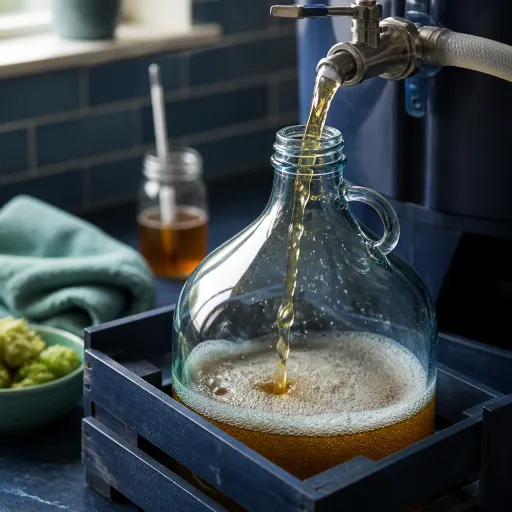
The syphon kit with flow control clip and anti‑sediment stick is actually more useful than it looks. The clip lets you start and stop the flow cleanly when transferring beer from the demijohn to the keg, which helps avoid mess. The anti‑sediment stick means you can keep the end of the syphon slightly above the yeast layer, so you don’t drag too much gunk into your final beer. That’s especially handy if you’re new and not very confident about handling the fermenter.
From a usability angle, the whole design is focused on keeping things simple: one fermenter, one keg, one syphon. No extra valves, no complicated taps, nothing electronic. That’s good for a first kit, but it also means you don’t get more advanced features like a proper bottling wand or a dedicated bottling bucket. If you already know you’ll want to brew regularly, you might outgrow this setup pretty quickly. For a test run or an occasional brew, though, the compact design works well and doesn’t take over your house.
Plastic demijohn, metal keg: decent but not premium
The kit uses plastic for the demijohn and metal for the party keg. The demijohn is food‑grade plastic according to the specs, and it feels light but not flimsy. When filled with 5L of wort, it held up fine, no flexing or weird creaking. I gave it a good wash with warm water and sanitiser before use, and it didn’t retain any smell from the sanitiser or the beer afterwards. For long‑term use, plastic will scratch more easily than glass, so you have to be gentle with brushes and avoid harsh scrubbing to prevent bacteria hiding in scratches.
The lid with grommet is also plastic, and the fit on my unit was tight enough to feel secure but not so tight that you struggle to open it. The airlock is the usual clear plastic bubbler type. It’s basic but it works; mine bubbled away happily for several days, which is always satisfying to see. The syphon tubing is flexible and clear, so you can watch the beer flowing and see if you’re picking up sediment. The anti‑sediment end is a small plastic cage that sits slightly above the bottom of the demijohn.
The reusable metal party keg is the nicest part material‑wise. It feels solid in the hand, with a decent weight for its size. The vent bung is rubbery and seals well. I didn’t notice any leaks while conditioning the beer in it for just over a week. Obviously it’s not a pressurised commercial keg system, but for a 5L home batch it feels reliable enough. After emptying, I rinsed it and checked inside; there were no rough welds or weird coatings, just a smooth metal interior that was easy to clean.
Overall, the materials are functional and in line with the price. You’re not getting glass or stainless steel fermenters here, but for a starter kit that’s meant to be light and simple, plastic plus a small metal keg makes sense. If you plan to brew regularly for years, you might eventually want to upgrade to glass or bigger stainless gear. For trying out the hobby or doing the odd small batch, this mix of materials is fine and doesn’t feel cheap in use, just basic.
Plain packaging, decent protection
The packaging is pretty no‑nonsense. My kit arrived in a simple cardboard box with basic branding and a label mentioning the New World Pilsner version. Inside, the components were separated with cardboard and plastic bags. The demijohn and keg were well protected and didn’t have any dents or scratches. The smaller parts (airlock, hydrometer, syphon, thermometer strip, hop T‑bag) were in separate plastic bags so they didn’t rattle around loose in the box.
There’s nothing fancy like foam inserts or gift‑style presentation. It feels more like a kit you’d buy from a homebrew shop than a slick “Instagram” product. Personally I don’t care about that, but if you’re planning to give it as a present, just know it looks practical rather than premium. You might want to wrap it nicely yourself if you’re giving it to someone who expects something flashy.
The instruction sheet was folded and tucked inside, and arrived intact and readable. The print quality is okay, black and white, no colour photos. A couple of small diagrams or photos would have helped, especially for absolute beginners who have never seen an airlock or syphon before. That said, everything was clear enough if you read it carefully. No pages missing, no weird translation errors, just straightforward steps.
From a transport and storage point of view, the packaging does the job. The box is compact enough to store in a cupboard once you’ve unpacked the gear, so you can keep it to repack the kit or store spare ingredients. Nothing about the packaging made me worry about damage or contamination. It’s basic but functional, which matches the rest of the product: not pretty, but it works.
What you actually get in the box
Out of the box, the kit is quite straightforward. You get a 1‑gallon (5L) plastic demijohn with a drilled lid and grommet, a bubbler airlock with dust cap, a tub of sanitiser, a stick‑on LCD thermometer strip, a New World Pilsner beer kit, a syphon kit with flow control clip and anti‑sediment stick, a basic hydrometer, a reusable metal party keg with vent bung, and a hop “T‑bag”. There’s a printed instruction sheet that walks you through the process from sanitising to kegging. Nothing fancy, but all the essential bits are there.
When I laid everything out on the table, it felt more like a science project than a gift set, which I actually liked. You can see clearly what each piece does. The hydrometer is simple but readable, the syphon tubing is long enough to reach from a counter to the sink or keg, and the anti‑sediment end is a small but useful detail that stops you sucking up all the yeast sludge at the bottom. The sanitiser tub is unbranded but clearly labelled, and there’s enough for several batches if you’re not wasteful.
The New World Pilsner kit itself comes in basic packaging: no glossy branding, just a bag of extract and hops. It looks low key, but that’s fine for a starter kit. The thermometer strip is the usual adhesive type you stick on the outside of the demijohn. It’s not super precise, but it gives you a decent idea whether you’re in the safe temperature zone or not. I stuck mine on right after washing the demijohn and it stayed put the whole time.
Overall, the presentation is functional rather than pretty. If you’re buying this as a gift, don’t expect luxury packaging, but inside you do get a complete kit that’s easy to understand. For a beginner, that’s probably more important than fancy boxes. My only gripe is that the instructions could use a couple more pictures and a clearer troubleshooting section (e.g. “what if the airlock doesn’t bubble after 24 hours”), but if you read them slowly and maybe watch a quick YouTube video alongside, you’ll manage.
Does it actually let you brew beer without drama?
In terms of effectiveness as a starter kit, it does what it’s supposed to do: it lets a beginner go from zero to a batch of drinkable beer with one box of gear. I followed the included instructions step by step and didn’t run into any major problems. The sanitiser worked fine; I soaked everything that touched the beer, and I didn’t get any infection or weird smell. The airlock showed clear fermentation activity, and the demijohn never leaked. So from a basic “does this function as a brewing setup?” angle, it passes.
The hydrometer is useful for learning how to track fermentation progress. It’s not a fancy lab instrument, but it’s clear enough to read the gravity and see when it stops changing. That gave me confidence to transfer to the keg at the right time instead of just guessing. The syphon with flow control clip made the transfer fairly clean. I still managed to get a few drops on the counter (that’s on me), but no big spills or disasters. The anti‑sediment stick did its job: the kegged beer had a thin layer of yeast at the bottom after a few days, but the bulk of the sludge stayed in the demijohn.
Serving from the party keg was also straightforward. After conditioning, I chilled the keg in the fridge for 24 hours, vented it, and poured. The first half pint was a bit foamy, which is normal, then it settled. You don’t get the same control as with a proper tap system, but for home use it’s fine. Over a weekend, we finished the 8 pints and the last glass was still drinkable, not completely flat or oxidised.
If I’m picky, the main limitation is batch size. One gallon disappears fast, especially if you share. If you really get into brewing, you’ll probably want a bigger kit pretty soon. But as a learning tool or a low‑commitment way to see if you like the process, it works very well. You get to practice sanitising, measuring gravity, managing fermentation temperature, syphoning, and kegging—all the basics—without being overwhelmed by equipment.
Pros
- Complete 1‑gallon starter kit with all the basic tools and a reusable metal party keg
- Compact design that fits easily in small kitchens and is simple to store
- Instructions and equipment make it easy for beginners to get a decent, drinkable first batch
Cons
- Small 8‑pint batch size makes it less economical per pint than larger kits
- Plastic fermenter and basic accessories may feel limited if you plan to brew often
- Instructions could use clearer diagrams and more troubleshooting tips for total beginners
Conclusion
Editor's rating
After running one full batch through the Dark Rock Small Batch Beer Making Starter Kit (New World Pilsner), my overall feeling is that it’s a solid, no‑nonsense starter kit for people who want to dip a toe into home brewing without turning their house into a brewery. The materials are basic but fit for purpose, the design is compact, and the included instructions are clear enough to get you from water and extract to 8 pints of drinkable beer on your first try. The New World Pilsner kit itself gives a decent, everyday lager‑style beer: nothing fancy, but perfectly fine for casual drinking.
This kit is best for beginners with limited space, or as a practical gift for someone who keeps saying they’d like to try brewing at home. You learn the core steps—sanitising, fermenting, using a hydrometer, syphoning, and kegging—without being overwhelmed by gear or huge volumes. If you already brew in 5‑gallon batches, or if your main goal is to make the cheapest possible beer, this will feel small and a bit pricey per pint. It’s also not aimed at people chasing very specific or complex beer styles out of the box. But if you just want a compact, straightforward way to see if home brewing is your thing, it gets the job done and leaves you with a reusable keg and basic tools you can still use if you upgrade later.