Classic homebrewing manuals every brewer should read
Foundations every new brewer can rely on
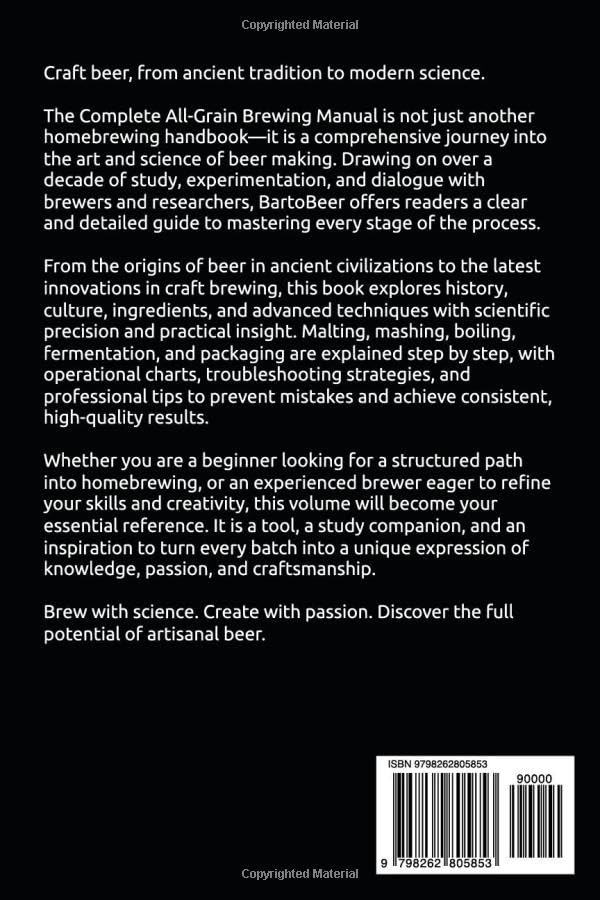
Classic homebrewing manuals are the solid ground under your feet when you start brewing. They explain the full process step by step, from sanitising to bottling, in a way that still makes sense even with today’s modern gear and online tools. These books give you a clear, structured path so you are not guessing your way through your first batches.
Many of the most respected manuals focus on core techniques : how to handle malt, hops, yeast, and water, and how each decision affects flavour, aroma, and mouthfeel. They also teach you to read your beer – using gravity readings, fermentation signs, and tasting notes – so you can understand what is happening in the fermenter instead of just following a recipe blindly.
Essential titles that shaped homebrewing
Some classic guides are almost like brewing bibles, often written by professional brewers or early homebrew pioneers. They usually include :
- Clear explanations of extract and all-grain methods
- Reliable base recipes for popular styles
- Simple troubleshooting charts for off-flavours
- Practical advice on cleaning, equipment, and safety
When you pair one of these manuals with a quality homebrew starter kit, you get a complete learning environment : the tools, the process, and the theory all working together.
Why classics still belong on your shelf
Even if you later move on to more creative or visually rich guides, the classic manuals remain your reference point. They help you evaluate new recipes, understand advanced techniques mentioned in more modern books, and make better choices when you upgrade your equipment or refine your favourite styles. Used alongside more specialised resources and your own tasting notes, they become a long-term companion for improving every batch you brew.
Creative and illustrated guides that change how you think about beer
Visual brewing guides that speak to your senses
Some manuals do more than explain brewing ; they show it. Highly visual guides use step-by-step photos, infographics, and diagrams to turn complex processes into something you can almost feel and smell as you read. Mash schedules, water chemistry, and yeast management suddenly look less like chemistry homework and more like a recipe you cannot wait to try.
Illustrated books are especially powerful when you are moving beyond basic extract kits into partial mash or all-grain. A clear photo of proper lautering, or a diagram of a well-organised brew day, can save you from the frustrating trial-and-error that purely text-based manuals often create.
From grain to glass, explained in pictures
The best creative guides walk you through the entire journey of a beer, from selecting grains and hops to packaging and serving. Many include:
- Colour charts that link malt choices to flavour and appearance
- Hop flavour wheels that help you design your own IPA profiles
- Step diagrams for siphoning, bottling, and kegging
- Illustrated troubleshooting trees for off-flavours
When you pair these visuals with reliable equipment, such as an auto siphon transfer tool for homebrewing, you get a smoother, more predictable brew day.
Creative formats that change how you learn
Some modern manuals borrow from cookbooks, graphic novels, or field guides. They use tasting maps, flavour journaling pages, and side-by-side comparisons of styles to help you connect what you read with what you taste. This complements the more traditional, theory-heavy books you might already own and makes it easier to apply what you learned about history, ingredients, and technique to your next experimental batch.
How to choose the best homebrewing manuals for your style and budget
Match the book to your brewing goals
Before buying another brewing book, ask what you really want to improve. Are you chasing competition medals, dialing in your first all-grain batch, or just trying to make a clean, reliable pale ale ?
- For solid fundamentals : choose manuals that explain ingredients, sanitation, and fermentation control in plain language.
- For advanced technique : look for books that go deep into water chemistry, yeast management, and recipe design.
- For creativity : pick guides that focus on styles, food pairings, and experimental ingredients, like the more visual and story-driven books mentioned earlier.
Print, digital, or both ?
Format matters more than many brewers think. A dense technical reference is often easier to use in print, with bookmarks and sticky notes. On the other hand, digital versions are great when you want to search quickly for mash schedules or hop timings while planning a brew day.
If your budget is tight, start with one core print manual for your brewing level, then add a couple of carefully chosen e-books or PDFs for niche topics such as sour beer or lagers.
Balance cost, depth, and usability
Price does not always equal value. A slim, well-structured manual that you use every brew day is worth more than a thick encyclopedia that never leaves the shelf.
- Check the table of contents : does it match the styles and methods you actually brew ?
- Look for clear process charts : step-by-step diagrams, checklists, and troubleshooting tables will save you time and failed batches.
- Think long term : choose at least one book that can grow with you from extract to all-grain, echoing the progression outlined in the earlier sections of this guide.
Practical tips to use your brewing books and improve every batch
Turn reading into a repeatable brew day routine
Do not let your homebrewing manuals gather dust on a shelf. Before each brew day, open your chosen book and walk through the recipe step by step. Use sticky notes or tabs to mark key pages : mash schedules, water chemistry, yeast handling, and troubleshooting charts. Over time, this becomes a reliable pre-brew checklist that keeps you organised and confident.
Annotate, adapt, and personalise your recipes
Your manuals are starting points, not strict laws. Each time you brew a recipe from a book, write directly in the margins or keep a notebook next to it. Note :
- Actual mash temperature and duration
- Fermentation temperature and yeast behaviour
- Any substitutions in hops, malt, or yeast
- Tasting notes and what you would change next time
When you revisit the same recipe, compare your notes with the original guidance. This is how you move from simply following instructions to truly understanding why each step matters.
Use your books to troubleshoot, not just to plan
When a batch does not turn out as expected, go back to the troubleshooting sections and style chapters you have already explored in your classic and creative manuals. Match your off-flavours or fermentation issues with the descriptions in the book, then write down the likely causes and fixes. This habit turns every imperfect batch into a structured learning opportunity.
Build a quick-reference system for future brews
Group your manuals by purpose : recipe collections, technical references, and creative inspiration. Create a simple index on paper or digitally listing which book covers which topic best (water, yeast, hop techniques, souring, etc.). During recipe design or tasting sessions, you will know exactly which manual to grab, saving time and deepening your brewing skills with every batch.