Why oktoberfest beer styles feel different from regular lagers
What makes an Oktoberfest pour feel so special ?
From the first sip, Oktoberfest beer feels richer, rounder, and more satisfying than many everyday lagers. It is not just stronger or darker ; it is built for long sessions at communal tables, hearty food, and hours of singing. That purpose shapes everything from the malt bill to the carbonation level.
Most regular lagers aim for crisp refreshment. They are often lighter in body, with a sharper finish and more carbonation. Oktoberfest styles, by contrast, lean into smoothness. The malt character is fuller, with flavors of fresh bread, biscuit, and gentle toast. Bitterness is present but soft, giving balance without stealing the spotlight.
How brewing choices change the drinking experience
Oktoberfest beers use high-quality German malts and long, cool fermentation. This slow approach cleans up rough edges and lets the malt shine. The result is a beer that feels creamy yet still easy to drink in large mugs. Even when the color is pale, as with modern festbier, the grain character remains more expressive than in many standard lagers.
Carbonation is tuned for comfort. Instead of a prickly fizz, you get a gentle, rounded texture that encourages steady sipping. That is one reason these beers pair so well with pretzels, roast chicken, and sausages over an entire evening.
The role of the mug in the Oktoberfest feeling
Part of the magic is physical. Holding a hefty stein or a sturdy German-style beer stein changes how you experience the beer. The wide opening lets aromas rise, the thick walls keep the lager cool, and the weight in your hand reinforces that this is a beer meant for celebration, not just quick refreshment. Later, when you look at traditional märzen and modern festbier, you will see how each style is designed with that festive context in mind.
Traditional märzen style and the story behind amber oktoberfest beer
From autumn lager to festival icon
When people picture Oktoberfest beer, they often imagine a deep amber lager with a toasty, biscuit-like aroma. That classic image comes from Märzen, the traditional style that shaped what many still think of as “real” Oktoberfest beer.
Märzen began as a practical solution. Brewing in warm months was risky, so brewers made a stronger, more robust lager in March, then stored it cool over summer. By the time the autumn festivals arrived, these well-aged barrels were at their peak – smooth, clean, and full of rich malt flavor.
Historically, these beers were darker and fuller than the pale lagers you read about in the first part of this guide. Kilned malts gave Märzen its signature amber color and flavors of toasted bread, light caramel, and a gentle nuttiness. Bitterness stayed moderate, just enough to balance the malt without stealing the show.
What makes a Märzen taste like Märzen
- Color : deep gold to copper, with a clear, inviting shine.
- Aroma : fresh bread crust, toast, and a hint of caramel.
- Flavor : smooth malt sweetness, clean fermentation, dry finish.
- Body : medium, with a soft, rounded mouthfeel.
Traditional glassware also plays a role in how you experience these flavors. A sturdy stein or tankard keeps the beer cool and concentrates the malt aromas. If you want to recreate that classic festival feel at home, a dedicated German beer stein mug can enhance both presentation and enjoyment.
Understanding Märzen’s roots will help you better appreciate how modern festbiers evolved and why today’s Oktoberfest lineups often look paler – yet still pay tribute to this amber original when you taste them side by side later on.
Modern festbier in Munich and how oktoberfest beers changed
The shift from amber märzen to golden festbier
Walk into a Munich beer tent today and most mugs are filled with a bright golden lager, not the deep amber märzen many people still associate with Oktoberfest. This change did not happen overnight. It is the result of decades of brewing tweaks, shifting tastes, and the practical realities of serving huge volumes of beer to massive crowds.
Traditional märzen was rich, toasty, and relatively full-bodied. As drinkers began to prefer lighter, more drinkable lagers, Munich breweries gradually moved toward paler, crisper recipes. The goal was simple : keep the malt character that makes festival beer special, but make it easier to drink several maß over a long day in the tents.
What defines a modern Munich festbier
Modern festbier sits somewhere between a classic helles and the old-school märzen. It is golden, with a firm but not heavy malt backbone, and a soft, bready flavor from high-quality German malts. Bitterness is moderate, just enough to keep the finish clean and refreshing.
Alcohol content is usually a touch higher than everyday lagers, which adds a gentle warmth without feeling boozy. The best examples feel smooth and rounded, with fine carbonation that keeps each sip lively but not gassy. Brewers design them for long sessions at communal tables, paired with salty pretzels, roast chicken, and grilled sausages.
Brewing for the tent, not just the glass
Festbier is engineered for the Oktoberfest environment : huge crowds, long days, and beer served from large kegs that must stay cold and consistent. That focus on drinkability and temperature control has influenced how breweries worldwide think about serving lager at events, from local festivals to any party where a perfect keg pour matters as much as the beer itself.
How breweries worldwide interpret german oktoberfest beer styles
From strict German roots to global creativity
Once Oktoberfest beer styles left Bavaria, brewers around the world began playing with the template while trying to keep its soul intact. The core idea remains the same as in Munich – malt-forward, smooth lagers built for long sessions – but the details shift with local ingredients, climate, and drinker preferences.
In North America, many breweries lean into the richer, amber side of the style. They often brew maltier märzen-inspired lagers with a touch more caramel and toast, echoing the classic versions you read about earlier. Some even add a subtle hop twist, using local varieties for a gentle floral or piney edge, while still keeping bitterness low enough for stein-sized pours.
Elsewhere in Europe, you will find a split personality. Some breweries stay very close to modern Munich festbier – pale, highly drinkable, and softly bready. Others revive deeper copper lagers that feel like a bridge between traditional märzen and contemporary festbier, especially in regions with strong lager heritage such as the Czech Republic or Austria.
In emerging craft beer scenes across Asia, South America, and Africa, Oktoberfest releases often serve as a showcase of technical skill. Breweries use them to prove they can handle precise lager fermentation and extended cold conditioning, while still tailoring the beer to local tastes – perhaps slightly stronger, slightly sweeter, or with a brighter carbonation profile.
Across all these interpretations, the best examples keep the same priorities you would look for when tasting any Oktoberfest beer : clean fermentation, balanced malt sweetness, and effortless drinkability. The label might say märzen, festbier, or simply “Oktoberfest lager”, but the goal is identical – a beer that feels at home in a one-litre mug and invites another round.
How to taste and enjoy oktoberfest beer styles like a pro
Setting up your oktoberfest tasting
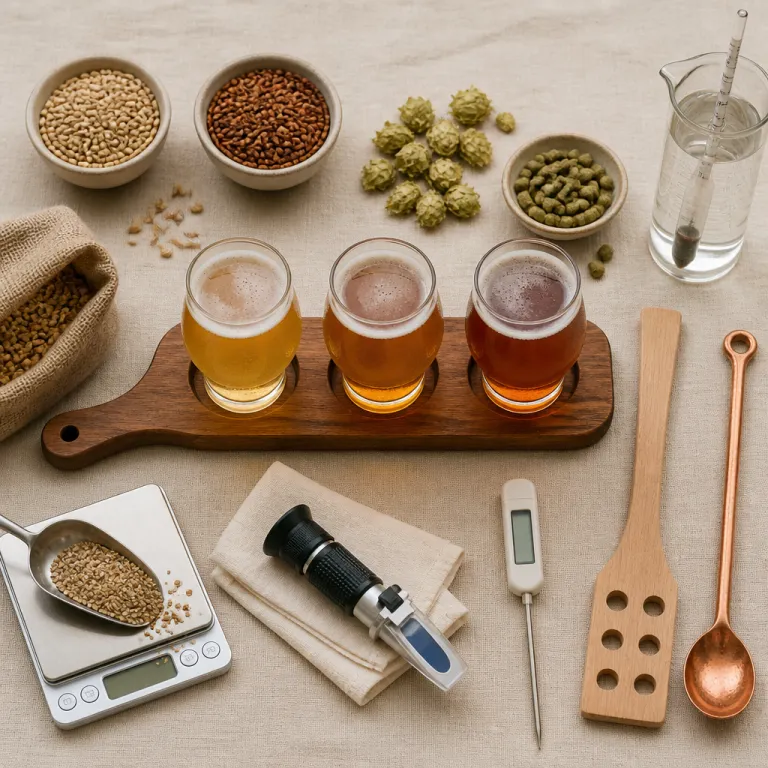
To really understand oktoberfest beer styles, taste them side by side. Pour a traditional märzen and a modern festbier in clear glasses. Aim for similar serving temperatures : slightly chilled, not ice cold, so the malt and hop aromas can open up. Use a neutral glass if you can, or at least avoid frosted mugs that mute flavor.
Start by simply looking. Märzen should show a deep amber to copper hue, while festbier leans golden. Note clarity and foam : a dense, creamy head is a good sign of proper carbonation and protein content.
Step-by-step tasting like a pro
- Swirl gently to release aromas without knocking out too much carbonation.
- Smell in short sniffs : look for bread crust, biscuit, or light caramel in märzen, and fresh bread dough, honey, or soft floral hops in festbier.
- Take a small sip and let it coat your tongue. Notice sweetness, bitterness, and how quickly each fades.
- Focus on mouthfeel : märzen should feel fuller and rounder, festbier lighter and more drinkable.
- Pay attention to the finish – clean and crisp is the hallmark of well-made lager.
Pairing food and pacing your session
Classic pairings help highlight what you learned earlier about malt and balance. Märzen loves roasted meats, grilled sausages, and aged cheeses. Festbier shines with roast chicken, soft pretzels, and milder cheeses.
Alternate sips of beer with water and a plain cracker to reset your palate. If you are tasting several international interpretations, move from lightest to richest, ending with the boldest amber examples so they do not overpower the subtler golden ones.