
Why a home beer flight tasting setup feels so good
The quiet magic of tasting several beers side by side
Pouring a single pint is nice ; lining up four or five small pours is something else entirely. A home beer flight lets you compare styles in real time, instead of trying to remember how a beer from last week tasted. You notice how a crisp pilsner feels lighter than a malty amber, or how a citrusy IPA jumps out after a smooth wheat beer. That contrast is what makes a flight feel so satisfying.
Because you are at home, you can move at your own pace. No pressure to rush, no noisy bar, no server hovering. You can take a sip, think about it, go back to another glass, and really pay attention to aroma, flavor, and finish. Later, when you start choosing beers for your next tasting, you will already know which styles you want to explore more deeply.
Turning your kitchen or living room into a mini tasting room
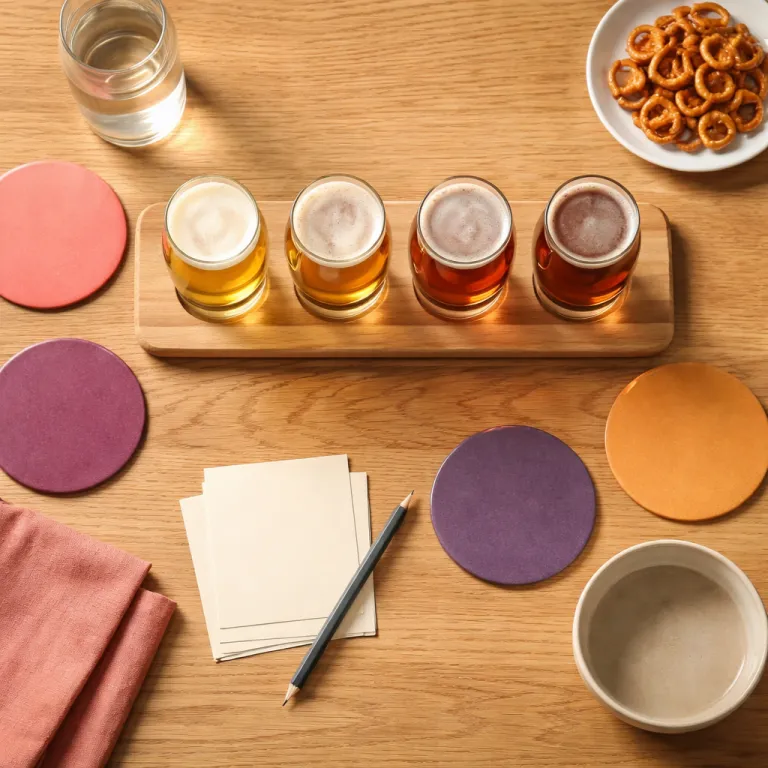
A home beer flight tasting setup is also about atmosphere. A clean table, a simple board or tray, small glasses, and maybe a notebook instantly make the evening feel special. If you like to keep your beers at the perfect serving temperature, a dedicated back bar beer fridge can help you serve each style at its best.
Sharing flights with friends adds another layer of pleasure. Everyone tastes the same beers, but not in the same way. Comparing notes, arguing (kindly) about favorites, and laughing over surprising flavors turns a simple drink into a shared experience. As you refine your glassware and serving boards and learn how to guide a relaxed tasting, your home starts to feel like the most comfortable taproom you know.
Choosing beers for your tasting flight at home
Start with a clear tasting theme
Choosing beers is much easier when you give your flight a simple theme. Instead of grabbing random bottles, decide on one guiding idea ; for example :
- One style, many breweries – four pale ales from different producers.
- One brewery, many styles – a lager, an IPA, a stout, and a seasonal from the same brand.
- Light to dark journey – a gentle progression from crisp lager to rich stout.
- Local vs. international – compare nearby breweries with classic imports.
A clear theme makes the tasting feel intentional and helps your guests understand what they are comparing, which will pay off when you start chatting through aromas and flavors later on.
Plan a logical order for the flight
Once you have your beers, arrange them in a sequence that lets palates warm up gradually. A good rule is to move from :
- Lower alcohol to higher alcohol
- Lighter color to darker color
- Milder bitterness to more intense bitterness
For example, you might pour a pilsner, then a wheat beer, then a pale ale, then an IPA, and finish with a porter. This way, stronger flavors do not overwhelm the subtler ones early on.
Balance familiarity and surprise
Include at least one beer that most people know, so everyone has a reference point. Then add one or two that are outside their comfort zone ; maybe a sour, a smoked beer, or a robust Belgian ale. This mix keeps the flight approachable but still exciting.
If your tasting leans toward a party vibe, you can even borrow ideas from classic beer pong setups ; use a lighter, easy-drinking style as your “fun” anchor beer alongside more complex options.
Picking the right glasses, tray and flight boards
Glassware that actually changes the beer
For a home flight that teaches you something, treat glassware as part of the experiment. Use the same style of glass for all beers when you want to compare them directly ; this removes distractions and keeps the focus on aroma and flavour. When you want to highlight differences between styles, mix glass shapes on purpose : a tall, narrow glass for crisp lagers, a tulip for hop-forward IPAs, and a stemmed goblet for strong Belgian ales.
Whatever you choose, go for clear glass, no logos at lip level, and no heavy detergent scent. Rinse with hot water and air dry so nothing interferes with aroma.
Simple ways to present your flight
You do not need a bar-grade setup, but a bit of structure helps guests follow along. Classic wooden flight boards look great and keep glasses stable. If you do not own any, use a baking sheet, slate board, or even a sturdy cutting board. Add numbered stickers or chalk markings in front of each glass so everyone can match beers to your tasting notes from the earlier planning.
Leave enough space between glasses so people can pick them up without knocking others. A small water glass and a neutral snack (plain crackers, bread) near each place setting makes the whole thing feel more intentional.
Little extras that make it feel pro
A few thoughtful details turn a casual lineup into a memorable session. Branded coasters, bar towels, or a simple bar mat protect your table and add atmosphere ; you can find plenty of beer-themed branded merchandise that fits a home setup. Keep a pen and small notepad by each flight so guests can jot down quick impressions. These notes will be useful when you compare favourites at the end of the tasting.
How to run a relaxed beer tasting party at home
Setting the pace for the evening
Start with a quick welcome and explain the plan in simple terms. Let everyone know how many beers you will taste, the order you will follow, and roughly how long it will take. People relax when they know what to expect, especially if they are not used to tasting flights.
Pour small servings for each round. Aim for tasting pours, not full glasses ; you want guests to stay fresh and curious. Begin with lighter, lower bitterness beers and move gradually toward darker or stronger styles, just like you planned when choosing the bottles and cans.
Keeping things structured but casual
Give each person a notepad or simple tasting sheet. Suggest three things to note for every beer :
- Appearance (colour, clarity, foam)
- Aroma (what they smell first)
- Flavour and mouthfeel (what stands out, how it feels)
Encourage people to use their own words. There is no need for technical jargon. If someone says a beer smells like “fresh bread” or “grapefruit peel”, that is perfect.
Conversation, palate breaks and food
After each pour, give a couple of minutes for quiet sniffing and sipping, then open the floor for comments. Ask simple questions like “What do you notice first ?” or “Would you drink a full pint of this ?”. Keep it light and avoid turning it into a quiz.
Offer neutral snacks between beers : plain crackers, bread, mild cheese. They help reset the palate without overpowering the flavours you carefully selected earlier. Have water on the table and suggest short breaks after every two or three beers so people can stretch, chat, and enjoy the evening without feeling rushed.
Real use cases and tips from home hosts
What actually works in real living rooms
Hosts who run beer flights at home regularly tend to keep things simple and repeatable. One couple I know always builds their line-up around a theme ; classic lager, local IPA, dark and roasty, and one “wild card” like a sour or smoked beer. Guests quickly understand the logic, and it reinforces the idea of progression you set up when choosing beers and glassware.
Another host keeps a small notebook next to the flight board. Each guest writes the beer name, a quick flavour note, and a rating out of five. It is low pressure, but over time it becomes a fun record of what people actually enjoyed, and it helps refine future selections.
How home hosts avoid awkward moments
Experienced hosts rarely pour full glasses. They aim for tasting pours ; around 10–12 cl per beer. That way, nobody feels forced to finish something they do not like, and you can include a wider range of styles without overdoing the alcohol.
They also announce from the start that it is fine to skip a beer, pour leftovers into a dump glass, or go back to a favourite. This keeps the mood relaxed and supports the educational angle of your tasting rather than turning it into a chugging contest.
Little tweaks that make your next flight better
- Snap a photo of the tray before you start, so you remember the order and labels later.
- Keep one neutral snack (plain crackers or bread) on the table to reset palates between pours.
- Ask each guest to bring one bottle that fits your theme ; you provide the structure, they add the surprises.
- End the night by asking everyone which beer they would actually buy again. That single question teaches you more than any formal scoring sheet.