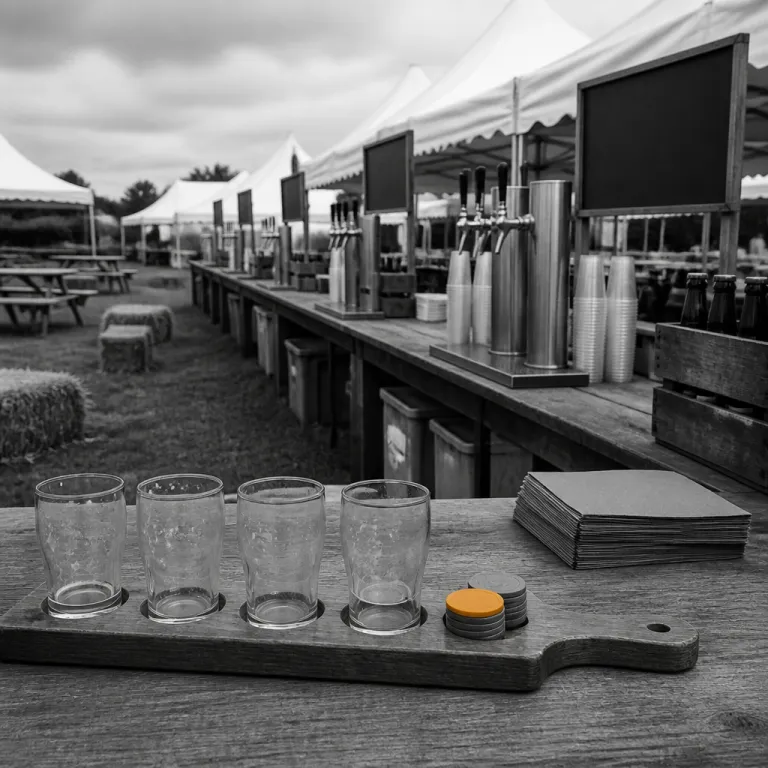
Why beer festivals feel so special for beer geeks and casual drinkers
Why beer festivals feel like a big friendly beer playground
Walk through the gates of a beer festival and you feel it right away : the buzz of conversation, the clink of tasting glasses, the smell of food trucks and malt in the air. For beer fans, it is like stepping into a living, breathing tap list where every booth pours a new story. Even if you are more casual than geek, the energy is contagious.
Part of the magic is how close you get to the people behind the beer. Brewers and brewery staff are often the ones pouring your sample. You can ask what hops they used, why this lager tastes so crisp, or how they came up with that odd but delicious sour. It turns a simple drink into a conversation.
Why both beer nerds and newcomers feel at home
Beer festivals are one of the few places where a hardcore hophead and someone who usually drinks whatever is on sale can stand side by side and both feel welcome. The format encourages curiosity : small pours, lots of styles, no pressure to finish a full pint if you are not into it.
For enthusiasts, it is a chance to chase rare releases, compare styles, and put their tasting skills to work. For newcomers, it is a relaxed way to figure out what they actually like without committing to a full six-pack.
More than beer : a shared culture
Music, food, games, and even what people wear all add to the sense of community. You will see groups in matching brewery shirts, quirky hop-themed caps, and other beer festival clothing ideas that make it easy to spot your tribe. Later sections will help you plan your day, taste with confidence, and understand how much work goes into creating that easygoing festival atmosphere you enjoy so much.
Plan ahead so the beer fest does not run you
Map out your must-try beers
Most festivals publish the brewery list and tap lineup in advance. Take a few minutes to scan it and highlight the beers you truly care about : a rare barrel-aged stout, a local farmhouse ale, or that hyped IPA you keep hearing about. This way, you are not wasting time queuing randomly when you could be tasting something memorable.
Sort your list into three tiers : must-try, nice-to-try, and backup options near the same area of the venue. That simple structure keeps you flexible while still giving you a clear direction once you walk through the gate.
Build a loose schedule, not a rigid plan
Check the festival map and schedule for timed tappings, talks, or meet-the-brewer sessions. Note the ones that matter most to you and plan rough time slots around them. Leave gaps between these anchors so you can wander, chat with brewers, or follow recommendations from other fans you meet along the way.
Remember that lines, weather, and your own energy levels will change your day. A loose plan keeps you in control without killing the spontaneous fun that makes festivals so special.
Prepare your body as carefully as your palate
Eat a solid meal before you arrive and bring a snack if allowed. Hydration is just as important as the beer itself : alternate water with every few samples to keep your senses sharp and your day enjoyable. Comfortable shoes and weather-appropriate clothing will matter more after a few hours of walking and standing.
If you are traveling to the festival, think about how you will continue your beer journey at home. Researching the best kegs available near you can help you track down favorites you discovered at the event and support the breweries you enjoyed most.
Tasting like a pro without acting like a snob
Getting your palate ready
Before you hit the taps, give your taste buds a chance. Avoid heavy garlic, spicy food, or minty gum right before the festival. Start with lighter styles (pilsners, kölsches, wheat beers) and move toward hoppier, darker, or sour beers later. This way, your palate is not blown out before you reach the big, bold stuff.
Smart sipping, not chugging
Sample pours are your best friend. Ask for the smallest pour available and actually taste it. Take a short sniff first, then a small sip, and let it sit on your tongue for a second. If you do not love it, you do not have to finish it. Dump buckets exist for a reason, and brewers will not be offended.
Simple tasting steps that work anywhere
- Look : Notice colour, clarity, and foam. Is it hazy, bright, dark ?
- Smell : Give the glass a swirl and take a couple of short sniffs. Think fruit, bread, coffee, pine, spice.
- Taste : Focus on sweetness, bitterness, and body. Is it crisp and light, or rich and chewy ?
- Finish : Pay attention to what lingers. Dry, bitter, roasty, or fruity ?
If you want to practice these steps at home before the big day, setting up beer flights that actually teach you something can make the festival feel much less overwhelming.
Respecting the beer and the people
You can be curious without turning into a lecture machine. Ask brewers short, focused questions, then let others have their turn. Avoid negging styles you do not like or comparing every IPA to your favourite hype release. Enthusiasm, not ego, is what keeps the festival fun for both the people pouring and the people drinking.
Making the most of the festival vibe and fellow beer fans
Start conversations the easy way
Beer festivals are one of the few places where it is completely normal to talk to strangers about what is in their glass. Use that. A simple “What have you liked so far?” or “Anything I should not miss?” is enough to break the ice. Most people are happy to share tips, compare notes from earlier tastings, or point you toward a hidden gem pouring in a quieter corner.
If you are shy, let the beer do the talking. Comment on a brewery’s artwork, ask how a style compares to something you already know, or mention a beer you tried earlier in the day. These small exchanges often turn into mini tasting groups that move from booth to booth together.
Respect the space and the people
The best festival vibe comes from everyone remembering they are sharing the same playground. Keep lines moving by having your glass ready and knowing what you want before you reach the front. Step aside after getting your pour so others can approach the stand, and avoid blocking high-traffic paths when you stop to chat.
Be kind to staff and volunteers. They have been pouring and answering questions for hours, so patience and a quick “thanks” go a long way. If a brewery runs out of a popular beer, take it in stride and treat it as a chance to try something you might have skipped.
Capture memories without missing the moment
Photos and notes help you remember what you enjoyed, especially after many small pours. Snap a quick picture of the tap list or can label, jot a few words in your phone, then put it away. The real magic is in the shared jokes, the spontaneous cheers, and the feeling of being surrounded by people who love beer as much as you do.
Behind the scenes : how event organizers and brewers build a festival great for everyone
What it really takes to put on a smooth beer festival
From the outside, a beer festival can feel effortless : great beer, good music, happy people. Behind the scenes, organizers and brewers are juggling logistics so you can simply enjoy your tasting journey.
Months before you buy your ticket, organizers are locking in the venue, permits, insurance, and safety plans. They map out crowd flow, emergency exits, and where each brewery booth will sit so lines stay manageable and you can move easily between styles, just like when you plan your own tasting route.
Keeping beer fresh, cold, and pouring smoothly
Brewers and event teams work closely on draft systems and cold storage. Kegs are scheduled to arrive at specific times, then stored in chilled trucks or temporary cold rooms. Staff check temperatures constantly so that the lager you sip at the end of the session tastes as crisp as the first pour of the day.
They also coordinate glassware, rinse stations, and CO₂ supplies. When you see volunteers calmly swapping kegs or fixing a tap, it is the result of detailed training and backup plans.
Designing a festival that works for everyone
Good organizers think about more than beer. They plan shaded rest areas, water stations, and food options to support responsible tasting. They brief staff on how to handle overconsumption and accessibility needs, so both hardcore beer geeks and casual drinkers feel welcome.
Brewers, in turn, choose which beers to bring based on the crowd. They balance crowd-pleasing classics with experimental releases, echoing the tasting strategies you use when pacing yourself through the lineup. When you notice clear signage, friendly volunteers, and a layout that makes sense, you are seeing the invisible work that turns a chaotic beer event into a festival you will want to attend again.