Farm to glass craft beer local ingredients explained
What farm to glass really means
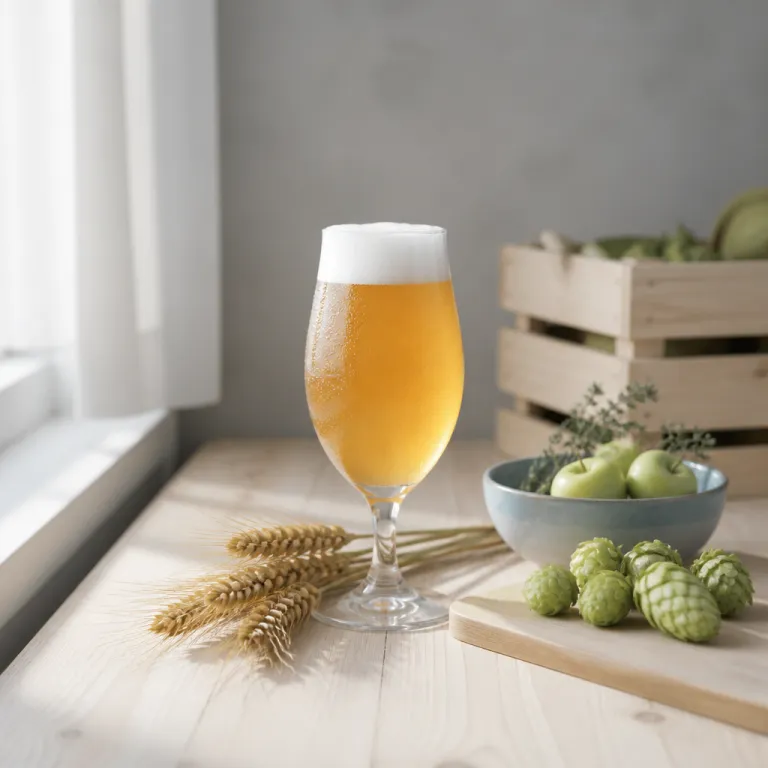
Farm to glass is a simple idea with big implications : the ingredients in your pint come from nearby fields, orchards, and farms, rather than anonymous suppliers far away. Barley, wheat, oats, hops, fruit, herbs, and even honey are grown, harvested, and often processed within the same region where the beer is brewed and served.
Instead of buying generic malt and hops from large distributors, farm to glass breweries build direct relationships with local growers. Some even operate their own hop yards or grain fields. The goal is not only freshness, but also traceability : you can often point to a map and see exactly where the ingredients in your beer were grown.
Key pillars of farm to glass brewing
- Local sourcing – A significant share of malt, hops, and adjuncts comes from nearby farms, sometimes within a short drive of the brewhouse.
- Seasonal brewing – Recipes shift with the harvest. Expect fresh hop ales in late summer, fruit beers when orchards peak, and grain-forward lagers after maltings finish their new crop.
- Transparency – Menus, taproom boards, and brewery tours highlight which farms supplied which ingredients, turning each beer into a story of place.
- Community focus – The brewery becomes a hub that connects drinkers with local agriculture, a theme that shapes taproom culture and events.
Why this approach matters for drinkers
For beer lovers, farm to glass means more than a feel-good label. It often leads to fresher flavors, unique regional character, and a closer connection to the people behind your pint. If you brew at home, you can echo this philosophy by sourcing local ingredients and experimenting with recipes inspired by your favorite regional beers, using resources like this clone recipe book for homebrewers as a starting point.
How local farms and breweries work together
From barley field to brewhouse door
In a farm-to-glass model, the relationship between farmer and brewer starts long before the mash tun is fired up. Brewers visit fields to walk the rows, rub grain between their fingers, and smell fresh hops on the bine. Together, they choose varieties that match the brewery’s house style – maybe a citrus-forward hop for hazy IPAs or a heritage barley for malt-driven lagers.
These conversations shape planting schedules and harvest timing. Farmers can stagger hop or grain harvests to match the brewery’s production calendar, ensuring ingredients arrive at peak ripeness. In return, breweries commit to buying specific volumes, giving farms more financial stability than the open commodity market.
Shared planning and sustainable practices
Because they work so closely, local farms and breweries often collaborate on sustainability. Spent grain from the brewhouse can go back to the farm as animal feed or compost. Some farms grow cover crops that improve soil health and, in turn, the flavor and consistency of future harvests.
Water use is another shared concern. Brewers rely on consistent, high-quality water for every batch, and farmers need it for irrigation. Understanding how temperature and storage conditions affect beer helps both sides plan cold-chain logistics, from chilled storage at the farm to stable conditions at the brewery and taproom.
Contracts, feedback, and constant adjustment
Once the first batches are brewed, the loop continues. Brewers share tasting notes with growers – more citrus, less bitterness, better head retention – and farmers adjust their practices where possible. Long-term contracts may include trials of new hop or grain varieties, giving the brewery unique flavors and the farm a chance to innovate.
This tight feedback cycle is what ultimately shows up in your glass as fresher, more expressive beer made from ingredients grown just down the road.
Flavor, freshness and tasting notes from farm to glass beers
How local ingredients shape what you taste in the glass
When a brewery commits to farm-to-glass, the flavor of the beer starts long before the mash tun. Barley grown in a nearby valley, wheat from a small family farm, or heritage corn from a single field all bring subtle differences in sweetness, body, and texture. These grains are often malted in small batches, preserving character that can get lost in large-scale production.
Hops tell an even more vivid story. A pale ale brewed with hops harvested that same week from a local farm will burst with bright aromatics : think fresh-cut grass, citrus zest, wildflowers, or resinous pine. Because the hops have not traveled far or sat in storage for long, their essential oils stay vibrant, giving you a more expressive aroma and a cleaner, more defined bitterness.
Yeast and adjuncts add another layer. Local honey, seasonal fruit, or herbs from nearby fields can transform a familiar style into something unmistakably tied to its region. A farmhouse ale with local wildflower honey, for example, might show notes of chamomile, clover, and soft spice that you simply would not get from generic ingredients.
Freshness is also about how the beer is served. Breweries that focus on farm-to-glass often pay close attention to their draft systems, using quality gear like a well-maintained stainless steel beer tap handle to keep pours consistent and clean. The result is a pint where aroma, flavor, and mouthfeel align : bright, lively, and true to the fields and farms that supplied it.
Taproom life : food, hours and community around local beer
Why farm-focused taprooms feel different
Walk into a farm-to-glass taproom and you immediately sense it is more than a bar. The space is usually designed to highlight its roots : photos of the hop fields, maps of nearby malt houses, maybe even the names of the farms that supplied the grain for the beer in your glass. The story you read on the menu connects directly to the ingredients and brewing approach described earlier in the article.
Many of these taprooms sit right on or near the farms themselves. You might see hop trellises from the patio, or a small herb garden that ends up in seasonal farmhouse ales. Picnic tables, long communal benches and outdoor fire pits encourage conversation between regulars, farmers and curious visitors.
Food that matches the beer’s local character
Food in farm-to-glass taprooms often follows the same philosophy as the beer. Instead of generic pub fare, you will find menus built around local cheeses, seasonal vegetables and meats from nearby producers. Simple dishes – charcuterie boards, soft pretzels with malt mustard, flatbreads topped with farm vegetables – are designed to pair with specific beers made from the same regional harvest.
Rotating food trucks or guest chefs are common, especially in rural areas where a full kitchen is not practical. The focus stays on freshness and a direct link between what is grown locally and what ends up on your plate.
Hours, events and community connections
Because many farm breweries operate under agricultural or tasting-room licenses, their hours can be different from city bars. Expect afternoon and early evening service, with extended hours on weekends when farm tours, live music or harvest festivals take place.
Community events are central : seed swaps, homebrew clubs, charity nights and educational tastings that explain how local grain, hops and fruit shape the beer. Regulars get to know not only the brewers, but also the farmers whose work underpins every pint.
How to choose farm to glass breweries and support local beer
Spotting a true farm-focused brewery
Start by looking at how clearly a brewery talks about its ingredients. A genuine farm-to-glass operation will proudly name partner farms, regions, and even specific fields on their website, taproom boards, or can labels. If the grain bill and hop varieties are listed, that is a strong sign they care about origin, not just style.
Ask staff where the malt, hops, fruit, or herbs come from. They should be able to answer without hesitation and often with a story : harvest timing, weather challenges, or how a particular crop shaped the beer you are drinking.
Questions to ask when you visit
- Which beers on tap use local ingredients right now ?
- Do you work with the same farms each season, or rotate partners ?
- How does the local harvest influence your brewing calendar ?
- Are there any small-batch or seasonal releases tied to specific crops ?
The more the answers connect to real farms, seasons, and people, the closer you are to a true farm-to-glass brewery.
Everyday ways to support local beer
Once you have found breweries that align with your values, support them consistently. Choose their beers at the taproom, but also at bottle shops, restaurants, and events. When you can, opt for the seasonal or single-farm releases highlighted in their lineup ; those are often the most direct expression of local agriculture.
Follow the brewery and their partner farms on social media, share their posts, and show up for release days, farm dinners, and harvest festivals. Tipping well, buying merch, and joining membership clubs or CSA-style beer programs all help keep the farm-to-glass model financially sustainable.
Finally, talk about these beers. Recommend them to friends, ask your local bar to carry them, and treat each pint as a vote for a more local, transparent beer culture.