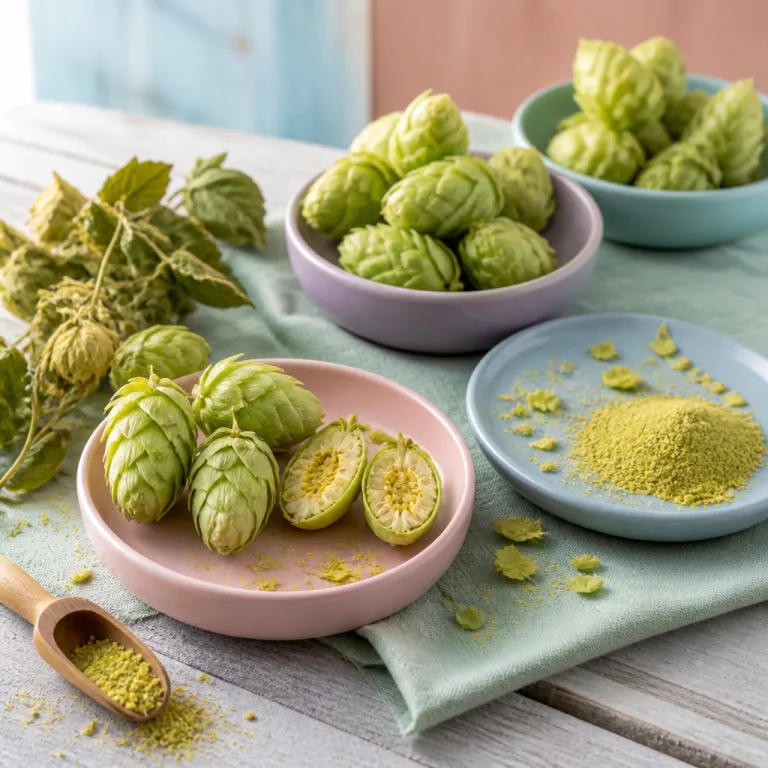
Why hops matter so much in home brewed beer
The quiet engine behind every home brewed beer
Grain gives beer its body and color, yeast turns sugars into alcohol and carbonation, but hops are what make your home brew feel alive. They shape bitterness, aroma and flavor in ways that can turn the same base recipe into a crisp lawnmower beer, a juicy hop bomb, or a malty, comforting pint. Without hops, most modern styles would taste flat, cloying and unfinished.
At their core, hops are the balancing act in your glass. Malt sweetness naturally pushes a beer toward syrupy and heavy. Hop bitterness pulls in the opposite direction, cutting through sweetness and refreshing your palate. When you adjust hop timing and quantity, you are not just tweaking a detail ; you are rewriting the entire personality of the beer.
Hops also act as a kind of seasoning rack for your brew day. Citrus, pine, resin, tropical fruit, stone fruit, spice, herbal notes, even dank and earthy tones – all of these can come from different hop varieties and how you use them. Later, when you look at how bitterness, aroma and flavor really work, you will see why the same hop can feel sharp and firm in one beer, but soft and juicy in another.
There is also a practical side. Hops contribute to foam stability, help preserve freshness and can subtly influence how dry or full a beer seems. For home brewers who care about ingredients and process, hops sit right alongside questions like whether beer is vegan or not, water chemistry and fermentation control. Once you start exploring classic varieties for pale, blonde and red ales, and then apply practical hop guidelines to different styles, you will realize how much power a handful of green cones truly holds in your kettle and fermenter.
How bitterness, aroma and flavor profile really work
Understanding how hops shape your pint
When you add hops to the boil, you are doing much more than “making beer bitter”. You are deciding how your beer will feel on the tongue, how it will smell in the glass, and how long the aftertaste will linger. Three main dimensions matter : bitterness, aroma, and flavor.
Bitterness : timing and isomerisation
Bitterness comes from alpha acids in hops. They need a long, rolling boil to isomerise and become soluble. The earlier you add hops, the more bitterness you extract, and the less aroma survives. A 60-minute addition gives firm, structured bitterness, ideal for pale ales and IPAs. A 30-minute addition adds some bitterness with a softer edge. Late additions in the last 10 minutes barely raise bitterness but start to boost flavor.
Aroma and flavor : late, whirlpool and dry hop
Aroma and flavor come mainly from hop oils. These are fragile and evaporate quickly, so you protect them with late-boil, whirlpool, and dry hop additions. Late-boil hops give bright, fresh flavor. Whirlpool hops (added after flameout) add juicy, saturated hop character. Dry hopping in the fermenter focuses on aroma : citrus, pine, tropical fruit, floral or herbal notes depending on the variety.
Balancing bitterness, malt and mouthfeel
Bitterness should balance malt sweetness, not crush it. A crisp blonde ale might use a modest bittering charge plus a small late addition, while a red ale can handle more bitterness thanks to its richer malt base. Body, carbonation and yeast profile from your chosen strain all interact with hop character, so think of hops as one piece of a larger puzzle.
If you are sensitive to gluten, you may also wonder about hops themselves ; this guide on whether hops contain gluten is a useful reference when planning your recipes.
Classic hop varieties for pale ales, blonde ales and red ales
Go-to hops for bright, balanced pale ales
Pale ales shine when hops bring citrusy brightness and clean bitterness. Classic American varieties are your best friends here. Cascade is the benchmark : think grapefruit, floral notes and a gentle spice that feels instantly familiar. Centennial is often called “super Cascade” because it adds more punchy lemon and resin. For a softer, fruit-forward twist, Citra layers in mango, lime and tropical aromas that pop in late additions and dry hopping.
If you prefer a more traditional profile, English hops like East Kent Goldings and Fuggles give earthy, herbal and lightly honeyed notes that pair beautifully with biscuity malts. Use them mostly in the late boil or whirlpool to keep bitterness smooth.
Hop choices that flatter blonde ales
Blonde ales are all about subtlety. You want hops that support, not dominate. Saaz and other noble hops (Hallertau, Tettnang) bring soft herbal, spicy and slightly floral tones that keep the beer refreshing. A small late addition of Amarillo can add gentle orange and apricot without turning the beer into a hop bomb.
Because blondes are often served to mixed crowds, think about the full experience at the glass. A clean, well-carbonated pour opened with a magnetic push-down bottle opener adds a small but satisfying ritual to your hop-forward creations.
Building richer hop character in red ales
Red ales bring caramel and toasted malt to the party, so hops need enough character to cut through. Chinook offers pine, spice and a firm bitterness that stands up to sweetness. Willamette and Styrian Goldings add earthy, slightly fruity notes that blend smoothly with darker malts. For a modern twist, a touch of Mosaic late in the boil can add berry and tropical hints without overwhelming the malt backbone.
Practical hop guidelines for home brewing different beer styles
Dialing in hops for hop-forward ales
For American pale ales and IPAs, think layers. Use a clean bittering hop like Magnum or Warrior at 60 minutes for firm but smooth bitterness. Then build flavor with additions at 20–15 minutes using Cascade, Centennial or Amarillo. Save the big, juicy impact for late additions and dry hopping with Citra, Mosaic, Galaxy or Simcoe. Aim for 30–45 IBUs for pale ales and 50–70 IBUs for IPAs, adjusting based on how soft or aggressive you want the bitterness to feel.
Balancing hops in malt-forward and amber styles
For blonde, red and amber ales, hops should support the malt, not dominate it. Choose earthy or floral varieties like Willamette, Fuggle or East Kent Goldings for a gentle bitterness at 60 minutes. Add a small flavor charge at 20–10 minutes if you want a subtle herbal or floral note. Keep IBUs in the 15–30 range for blondes and 20–35 for reds and ambers, matching bitterness to the sweetness of your specialty malts.
Subtle hop strategies for lagers and wheat beers
Lagers and wheat beers rely on restraint. For pilsners, use noble hops such as Saaz, Hallertau or Tettnang for a crisp, spicy bitterness and a light floral aroma. A single bittering addition plus a modest late addition is often enough. For hefeweizens and other wheat beers, keep IBUs low (8–18) and use mild, spicy hops like Hallertau or Hersbrucker so yeast character and grain stay in the spotlight.
Practical tips for swapping and combining hops
- Match oil profile : citrus with citrus, herbal with herbal, spicy with spicy.
- When substituting, keep alpha acids similar to avoid unexpected bitterness.
- Blend one “loud” hop (Citra, Galaxy) with one “supporting” hop (Cascade, Centennial) for complexity without chaos.
Real world home brewing examples with hop character and emotion
Citrusy pale ale for sunny afternoons
Imagine a light golden pale ale, around 5 % ABV, poured into a nonic pint. You used a simple grist of pale malt with a touch of light crystal. For hops, you added Magnum at 60 minutes for clean bitterness, then Cascade and Amarillo at 10 minutes and flameout. A generous dry hop of Cascade brings grapefruit peel and floral notes.
The first sip is bright and zesty. Bitterness is firm but smooth, thanks to the clean bittering hop. The late additions layer orange, grapefruit and a hint of pine. This is where your understanding of bitterness versus aroma pays off ; you kept the early IBU load moderate and focused on late hops for flavor.
Comforting red ale with gentle spice
Now picture a deep amber pint with ruby highlights. The malt bill leans on Vienna and medium crystal for caramel and toast. You chose East Kent Goldings for a soft, earthy bitterness at 60 minutes, then added a small dose at 15 minutes and whirlpool.
On the nose, you get marmalade, tea-like earthiness and a touch of honey. The flavor is all about balance ; caramel sweetness, biscuit malt and a rounded, almost herbal hop character. Because you kept total IBUs moderate and avoided aggressive American varieties, the beer feels like a cozy pub in a glass.
Juicy IPA bursting with tropical fruit
For your IPA, you built a pale, slightly hazy base with pale malt, wheat and oats. You bittered gently with Warrior, then loaded the whirlpool with Citra and Mosaic. A double dry hop of Citra, Mosaic and Galaxy brings passion fruit, mango and ripe peach.
The aroma hits first, like opening a bag of tropical candy. Bitterness is present but soft, because most hops went in late. Your knowledge of hop timing and oil preservation turns this from a bitter bomb into a juicy, modern IPA that feels lush, saturated and intensely aromatic.