Main types of bottle openers and what they are really good for
Classic handheld openers
These are the workhorses of the beer world. Simple “church key” openers and flat bar blades slip under the cap and lever it off in one clean motion. They are compact, cheap, and almost indestructible, which makes them perfect for bartenders and home fridges alike. Their main strength is reliability ; they open crown caps quickly without damaging the rim of the bottle, so you can pour cleanly or even recap with the right tools.
Multi-function and waiter-style tools
Waiter’s corkscrews and Swiss‑style multi-tools shine when you enjoy both beer and wine. The integrated lever gives you good control over stubborn caps, while the corkscrew and small blade handle wine bottles and foil. They are ideal for picnics, travel, or compact home bars where one tool has to do it all. The trade‑off is speed ; they are a bit slower than a dedicated bar blade when you are opening several beers in a row.
Wall-mounted and countertop openers
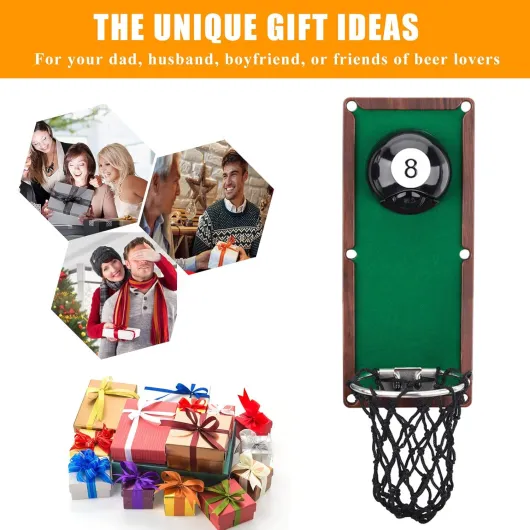
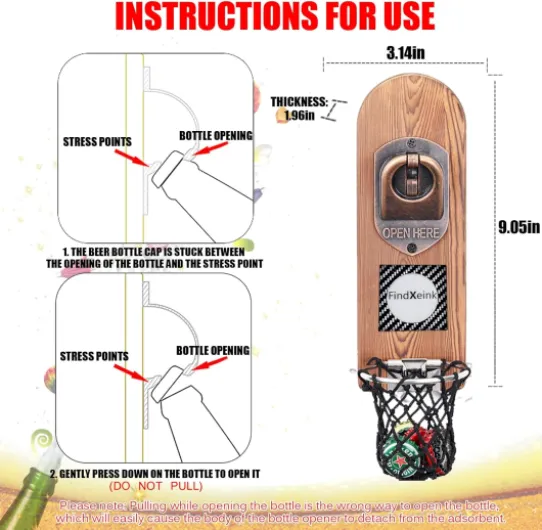
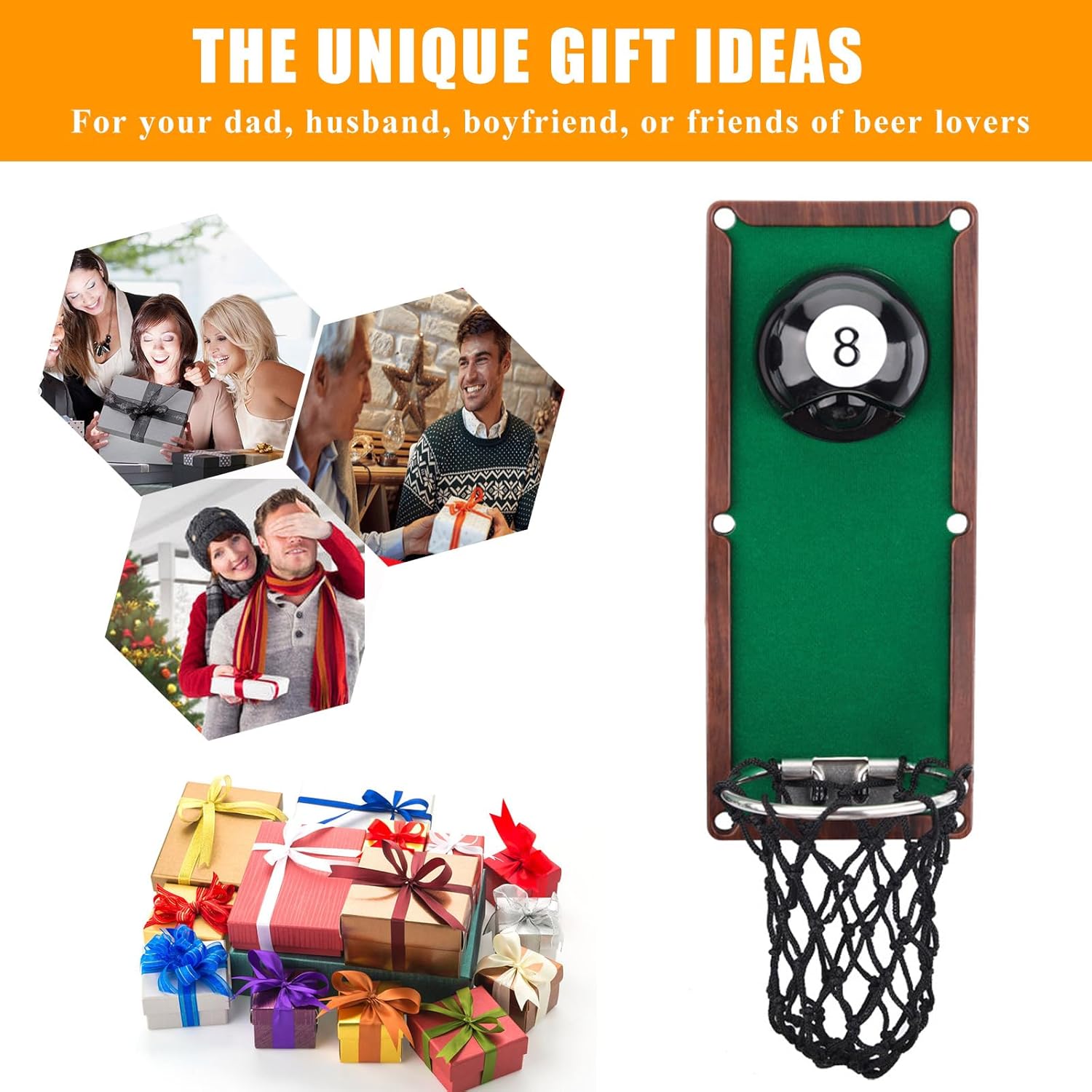
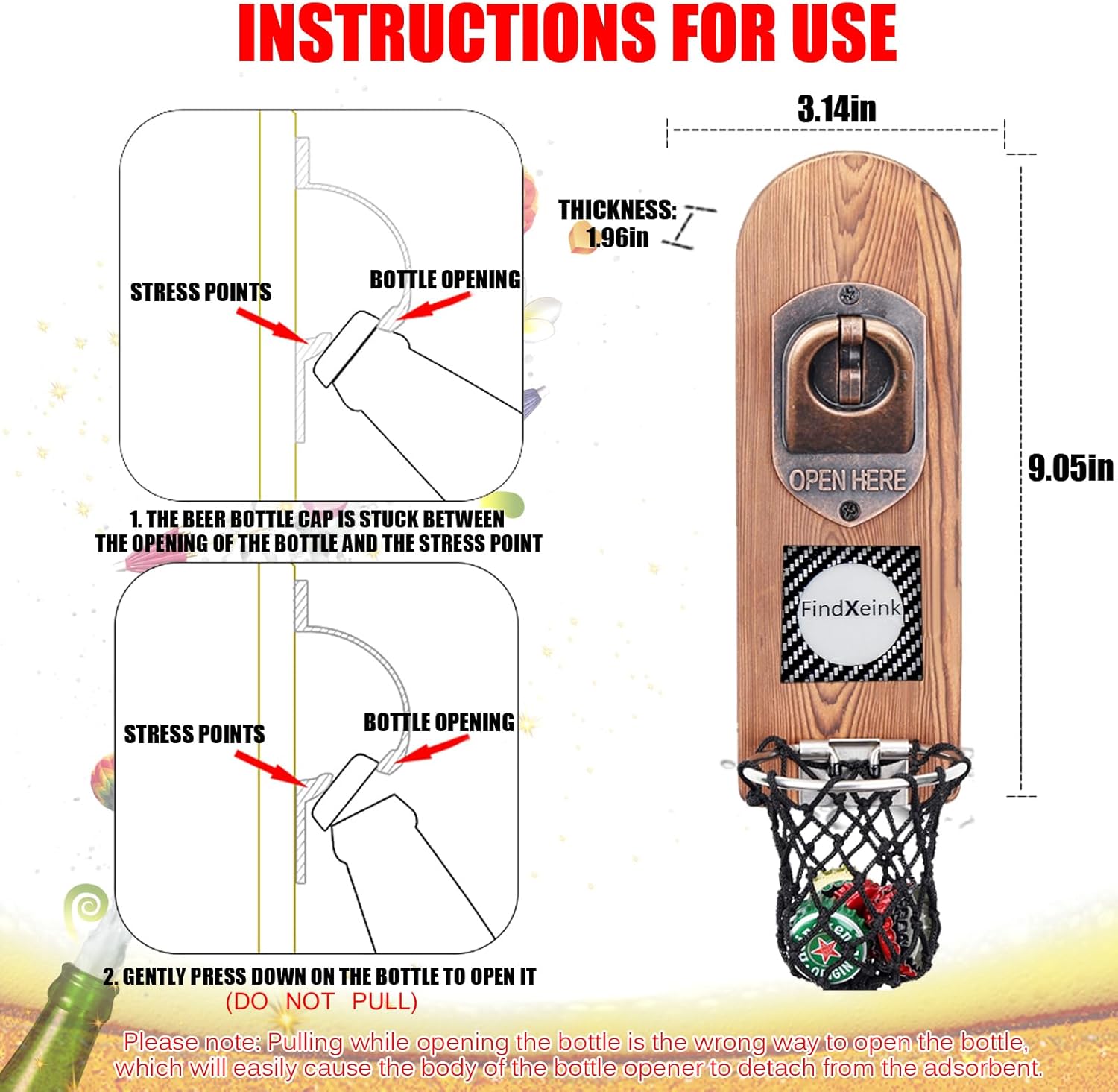
Wall-mounted openers, often paired with a cap catcher, are perfect for kitchens, patios, and home bars. You hook the cap under the lip and pull ; the cap drops neatly into the container. They are excellent for parties, because guests can serve themselves without hunting for a tool. Countertop lever openers offer similar convenience with more stability, which is handy when you are opening heavier bottles or want a consistent, smooth motion that feels almost ceremonial.
Novelty and integrated openers
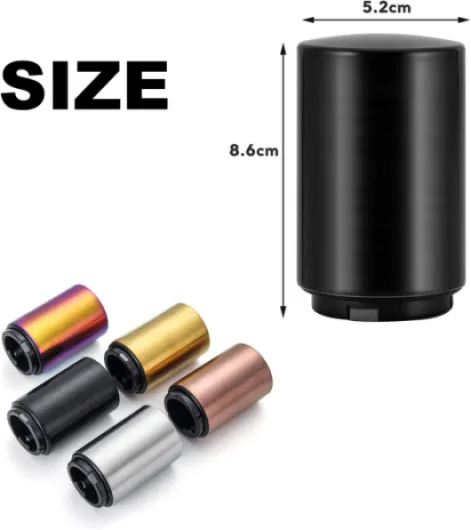
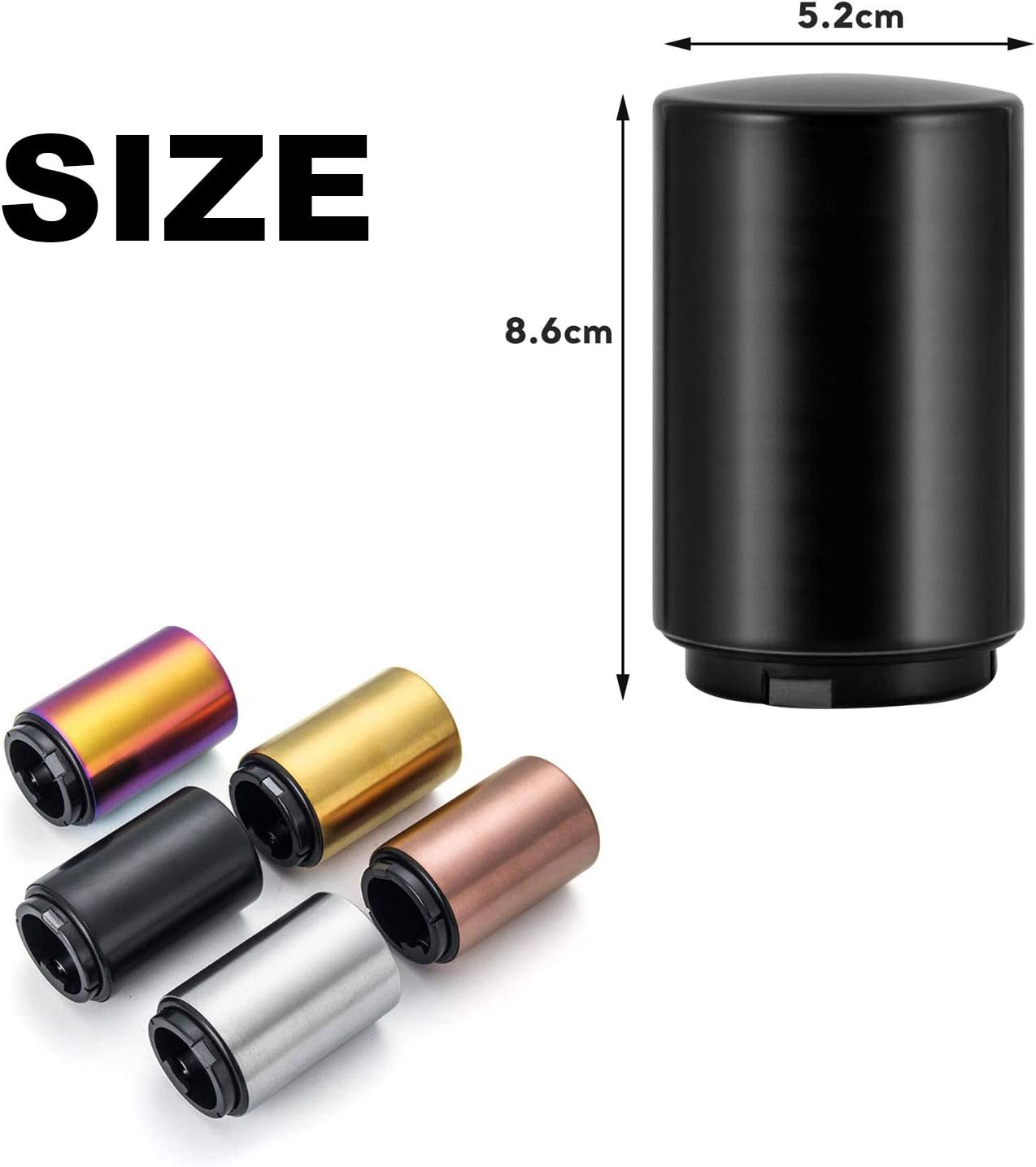
Keychain openers, magnetic fridge models, and openers built into gadgets or portable tap systems, such as a mini cocktail keg dispenser, focus on portability and fun. They are great conversation starters and suit casual gatherings, barbecues, or travel, where ease of access matters more than bar‑speed performance.
How to choose the best bottle opener for your beer and wine habits
Match your opener to your favorite bottles
Start with the bottles you open most often. If you mainly drink classic capped beers, a sturdy wall-mounted or simple bar blade is usually enough. Fans of corked Belgian ales or lambics will want a reliable waiter’s corkscrew or winged opener. If you enjoy both beer and wine at home, a multi-tool opener can keep your drawer from overflowing.
Think about where and how you drink
Your habits matter as much as the tool itself. For kitchen or home-bar use, comfort and durability beat portability. A heavy cast-metal opener fixed to a wall or fridge makes quick work of a whole party’s bottles. If you are often on the move – picnics, camping, festivals – a compact keychain or credit-card opener is more practical.
Also consider whether you care about keeping caps intact for collecting or reusing. In that case, choose an opener that lifts the cap cleanly rather than bending it in half.
Prioritize grip, leverage, and build quality
A good opener should feel secure in your hand and require minimal effort. Look for:
- Non-slip grip if your hands might be wet or oily
- Solid metal construction instead of flimsy stamped steel
- Smooth edges so it will not snag pockets or aprons
Quality matters even more if you are opening many bottles during tastings or when you are fine-tuning your beer service alongside tools like beer additives and enhancers. A reliable opener keeps the focus on aroma, carbonation, and flavor – not on wrestling with stubborn caps.
Balance style with practicality
Novelty openers shaped like guitars or animals can be fun, but make sure they actually work well. If you host tastings or run a small bar at home, a clean, professional-looking opener sends a better signal than a gimmicky one that struggles with basic caps.
Real product examples and what to watch for on Amazon and in shops
Examples of reliable everyday openers
For most beer lovers, a simple handheld opener is the workhorse. Look for a solid stainless steel body, a comfortable grip, and a cap-lifting lip that is slightly curved rather than razor-thin. Classic bar blades and churchkey-style openers from reputable barware brands are inexpensive, durable, and ideal for parties or daily use.
Key details to check in shops or on Amazon :
- Material : stainless steel or zinc alloy, not flimsy tin.
- Weight : light enough to carry, heavy enough to feel sturdy.
- Finish : no sharp edges, no peeling paint near the teeth.
- Warranty or brand reputation : especially for openers with moving parts.
Wall-mounted and magnetic options
Wall-mounted openers suit home bars and garages. When browsing online, zoom in on the screws and mounting plate ; weak hardware is a red flag. Magnetic openers that catch caps are great for small kitchens. Choose models with strong neodymium magnets and a wide cap-catching tray so you are not constantly emptying it.
Multi-tools and wine-friendly openers
If you often serve both beer and wine, a waiter’s corkscrew with a built-in bottle opener is a smart compromise. On product pages, check that the hinge looks robust and that the worm (the spiral) is coated or polished to glide smoothly into corks. Avoid ultra-cheap multi-tools with loose joints ; they tend to bend under pressure.
Premium and collectible openers
For enthusiasts who care about presentation as much as function, there are premium openers in brass, hardwood, or even titanium. When shopping, focus less on gimmicks and more on ergonomics and build quality. Read reviews that mention how the opener feels in the hand and how cleanly it lifts caps, not just how good it looks on a shelf.
How bottle openers shape beer tasting and service culture
From cracking caps to crafting moments
A bottle opener is often the first physical contact between host and guest in a beer setting. The way you open a bottle sets the tone. A smooth, confident motion with a well-balanced opener feels intentional and respectful, especially when you are serving special releases or carefully cellared bottles. Fumbling with a flimsy keychain tool, on the other hand, can make even a great beer feel like an afterthought.
In bars and taprooms, staff usually rely on sturdy speed openers or wall-mounted models because they allow fast, repeatable movements. That rhythm becomes part of the venue’s identity : the quick snap of metal, the soft hiss of carbonation, the cap landing in a tray. At home, a favorite opener can play a similar role, turning a simple “grab a beer” into a small ritual that marks the start of relaxation or shared time with friends.
Respecting the beer, the glass, and the people
The right opener also protects the beer and the serviceware. A poorly designed tool can bend caps so violently that sediment is disturbed in bottle-conditioned beers, or it can chip glass rims over time. Quality openers grip the crown cap cleanly, lift it in one motion, and leave the lip intact. This matters when you are pouring into proper glassware and paying attention to foam, aroma, and presentation.
There is also a cultural side. Collectible openers, branded bar blades, and vintage wall-mounted models often become conversation starters. They signal what kind of beer drinker you are : casual, geeky, nostalgic, or design-focused. When you match the opener to the occasion – elegant for a beer dinner, playful for a backyard barbecue, efficient for a busy party – you are not just opening bottles ; you are curating the whole tasting experience.