Growler vs crowler beer guide : what they are and why beer drinkers care
Why take draft beer home in the first place ?
Draft beer often tastes brighter, more aromatic and more nuanced than the same beer in a bottle or can. That is because it usually moves faster through the lines, is stored cold and is poured fresh from the keg. Many beer lovers want that same bar or taproom experience at home, whether for a quiet evening, a tasting with friends or a special meal.
Growlers and crowlers are the two main ways to bring that fresh draft character home. Both are filled directly from the tap, then sealed so you can enjoy the beer later. They sit alongside other options like cans, bottles and home kegs, but they are especially popular for limited releases and taproom‑only beers.
What is a growler ?
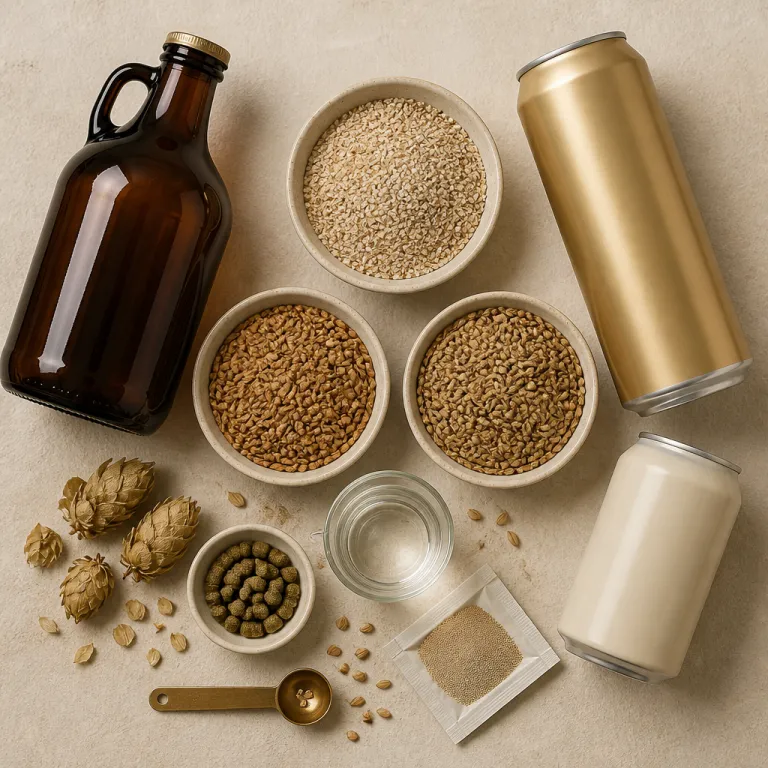
A growler is a reusable container, most often 64 oz, made from glass, stainless steel or sometimes ceramic. Your bartender fills it from the draft line, caps it and sends you home with the equivalent of several pints. Because growlers are reusable, they appeal to drinkers who like a more sustainable, refillable option.
Bars and breweries often keep a row of clearly labeled taps, sometimes with premium wooden tap handles, making it easy to choose what you want in your growler. Once filled, you take it home, pour, rinse and bring it back for the next fill.
What is a crowler ?
A crowler is a large, single‑use aluminum can, usually 32 oz, filled and sealed on demand at the bar. It combines the portability and light protection of a can with the flexibility of draft‑only selections. While you cannot refill a crowler, it is lightweight, recyclable and often keeps beer fresh a bit longer than a typical glass growler once sealed.
How growlers work : glass, stainless steel and pressure
Why breweries still love the classic growler
Growlers are reusable containers, usually 64 oz (about 1.9 L), filled straight from the tap. They give you a way to bring draft beer home without investing in a full kegerator setup. Breweries like them because they are simple, quick to fill, and encourage repeat visits for refills.
For drinkers, the appeal is flexibility. You can take home a limited release, a taproom-only lager, or a fresh IPA that is not canned. The trade-off is that growlers are not long-term storage ; they are meant for short, fresh-drinking windows.
Glass growlers : pros, cons and best uses
Glass is the most common growler material. It is affordable, easy to clean, and lets you see the beer inside. However, light is the enemy of beer, especially hop-forward styles. Clear and green glass offer almost no protection, while amber glass is better but not perfect.
Because of this, glass growlers are best for beers you plan to drink within a day or two. Keep them cold and away from direct light to avoid skunky off-flavors. Handle them carefully ; glass can crack or shatter if dropped or exposed to sudden temperature changes.
Stainless steel and pressurized options
Stainless steel growlers solve the light problem and add durability. Double-wall, vacuum-insulated models keep beer cold for hours, making them ideal for picnics, camping, or long trips. Some designs include CO₂ caps or mini-regulators that maintain pressure and slow oxidation.
These more advanced growlers act like portable mini-kegs. They are especially useful if you often bring home highly carbonated styles or want to pour over several days. Pairing them with quality draft beer tap handles at home can give you a near taproom experience from your own fridge.
How crowlers work : aluminum cans, seaming and shelf life
From draft line to sealed can
A crowler is essentially a large, single-use aluminum can that your bar or brewery fills and seals on demand. The bartender pulls your beer from the tap into an open, empty can, then places it on a small seaming machine. In a few seconds, the lid is crimped on, creating an airtight, lightproof package similar to a standard beer can.
Because the can is sealed immediately after filling, oxygen pickup is usually low when the staff uses good technique. That means less oxidation and better flavor stability compared with repeatedly opening and closing a reusable container.
Why aluminum changes the game
Aluminum blocks light completely, so you do not have to worry about skunking from UV exposure the way you might with clear or even amber glass. The tight seam also keeps carbonation locked in, which helps the beer stay lively and crisp for longer.
For breweries that care about quality control, crowlers are easy to date, label and rotate in the fridge. Many treat them almost like a short-run canning line, especially for limited releases or taproom-only beers.
Freshness window and storage tips
Unopened crowlers generally keep their best character for a couple of weeks when refrigerated, sometimes longer if the filling process minimizes oxygen. Once opened, treat them like a regular can : pour gently into clean glassware and finish the contents the same day.
Homebrewers who want to understand how their crowlered beer is aging often track gravity and fermentation performance with tools like a triple scale hydrometer. While that happens earlier in the process, it helps ensure the beer going into the crowler is stable, fully fermented and less likely to change in the can.
Growlers vs crowlers : how to choose the best way to keep beer fresh
Key questions to ask before you fill up
Choosing between a growler and a crowler starts with how you actually drink beer. Ask yourself :
- How fast will I drink it ? If you plan to share a fresh fill the same day or over a single evening, a growler is perfect. For anything longer than a couple of days, a crowler usually keeps the beer tasting closer to what came off the tap.
- How far is the trip home ? Crowlers travel better. They are lighter, fully sealed, and less fragile than glass growlers, which makes them ideal for road trips, hiking, or mailing in a beer trade where legal.
- Do I want to reuse the container ? Growlers shine here. A good glass or stainless growler can be refilled for years, especially if it has a tight cap or built-in pressure system. Crowlers are single-use, though they are recyclable.
Matching container to occasion and beer style
Think about the beer itself and the occasion. Delicate, hop-forward styles like hazy IPA or pale ale fade quickly once oxygen and light get involved. For these, a crowler’s sealed aluminum can often keeps flavors brighter for longer than a standard glass growler.
For malt-forward or stronger beers – imperial stouts, barleywines, big Belgian ales – a growler can work well, especially if you are pouring over a couple of evenings and can keep the container cold and capped tightly.
Serving size matters too. A 64 oz growler is great for a party table where you will pour several pints in one go. If you prefer variety, grabbing a few 16–32 oz crowlers lets you sample multiple beers without committing to a large volume of just one.
In short, choose growlers for immediate sharing and reusability, crowlers for portability and maximum freshness over time.
Practical tips to keep beer fresh in growlers and crowlers
Handling your filled container from tap to table
Once your growler or crowler is filled, treat it like fresh produce. Keep it upright, avoid shaking, and get it into the fridge as soon as you can. Heat and movement speed up oxidation and carbonation loss, undoing the careful filling techniques you read about earlier.
Store containers away from light, especially if you are using clear or amber glass growlers. Light can create skunky off-flavors in hop-forward beers surprisingly fast.
Smart storage times for different beer styles
Even with a perfect fill, draft beer in portable containers is meant for near-term enjoyment.
- Unopened growlers : usually best within 2–3 days, shorter if the fill was not counter-pressured.
- Opened growlers : plan to finish the same day ; carbonation and aromatics fade quickly.
- Crowlers : thanks to the sealed aluminum can and low oxygen pickup, many stay in good shape for a couple of weeks when refrigerated.
Delicate styles like pilsners, pale ales and hazy IPAs show staling first, so drink those earliest. Darker, malt-forward beers are a bit more forgiving but still benefit from fresh service.
Serving, cleaning and reusing growlers
When you are ready to pour, open gently and pour in a smooth, steady motion down the side of a clean glass. Avoid repeatedly opening and closing a growler ; every opening lets in oxygen and lets out CO2.
Rinse growlers immediately after they are empty with hot water, then let them air-dry upside down with the cap off. Skip soap unless you can rinse extremely well, as residue can kill head retention and add off-flavors. Inspect the mouth and threads for chips or cracks before refilling, especially with glass.
Replace worn caps and gaskets on reusable growlers regularly. A fresh seal is one of the simplest ways to keep your take-home draft tasting like it does at the bar.