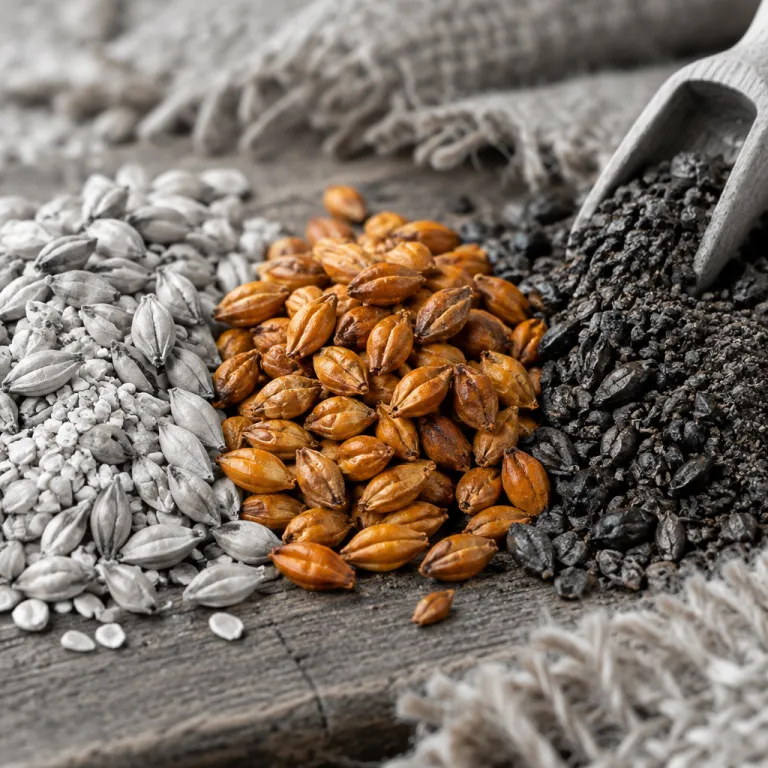
Why malt matters more than most homebrewers think
The grain behind every great pint
When homebrewers talk about improving their beer, the focus often jumps straight to hops, yeast strains or fancy equipment. Yet the real backbone of every recipe is malt. It provides the fermentable sugars that become alcohol, but it also shapes body, color, foam stability and a huge part of the flavor profile.
Think of malt as the canvas on which hops and yeast paint. A pale, clean base malt will let bright hop character shine in a pilsner or IPA. A richer, bready base will support malt-forward styles like bitters or bocks. Once you start layering specialty and roasted malts, you can build everything from gentle caramel notes to intense coffee and chocolate tones.
Understanding how different malts behave helps you avoid common problems : thin, watery beers, cloying sweetness, harsh roast, or muddy flavors. It also lets you design recipes with intention instead of copying someone else’s grain bill and hoping for the best.
Malt choice even interacts with your yeast and fermentation. A highly fermentable wort from certain base malts will finish drier, while more dextrinous worts leave extra body and residual sweetness. If you are pushing gravity for a strong ale or imperial stout, pairing your grain bill with a reliable high alcohol tolerant yeast becomes crucial to avoid stuck fermentations.
Once you grasp what base malts contribute, how crystal and roasted grains modify flavor and color, and how adjuncts tweak body and fermentability, you can start building recipes that match your exact vision. The rest of this guide will walk through those malt families and show how to apply them in your next homebrew.
Base malts that carry your beer
Understanding the role of base malt
Base malts are the backbone of every all-grain or partial-mash recipe. They provide most of the fermentable sugars, a large share of the flavor, and the enzymes needed to convert starches into sugars during the mash. Without a solid base malt choice, all the specialty grains you add later will struggle to shine.
Most base malts are lightly kilned, pale in color, and rich in enzymes (diastatic power). They typically make up 70–100 % of the grain bill, depending on how many specialty or roasted malts you use. When you adjust other variables like water chemistry for home brewers, the character of your base malt becomes even more noticeable.
Common base malts and what they bring
- Pale ale malt – Slightly richer and more biscuity than standard pilsner malt. Great for English ales, American pale ales, and IPAs.
- Pilsner malt – Very light color, clean and delicate grain flavor. Ideal for lagers, kölsch, and any beer where you want a crisp profile.
- Vienna malt – Lightly toasty, with gentle bread crust notes. Perfect for Vienna lagers and amber ales.
- Munich malt – Deeply malty, with bread, toast, and light caramel tones. Often used to boost malt character in darker lagers and malty ales.
- Wheat malt – Adds body, head retention, and a soft grainy flavor. Common in hefeweizen, witbier, and as a supporting base in many modern styles.
Choosing the right base for your style
Start by matching the base malt to the beer style you want to brew. A crisp pilsner calls for pilsner malt, while a malty festbier leans on Vienna or Munich. Then, think about how much room you want to leave for crystal, caramel, and roasted malts to add complexity later in your recipe.
Crystal, caramel and roasted malts that shape flavor and color
Understanding crystal and caramel malts
Crystal and caramel malts are kilned in a way that converts their starches to sugars inside the husk, then dries those sugars into glassy crystals. This gives them a sweet, toffee-like character and a wide range of colors. Light versions (10–20 °L) add honey and light caramel notes ; medium (40–60 °L) bring toffee, caramel and light raisin ; darker (80 °L and above) lean into burnt sugar, dark fruit and light roast.
Use these malts to build body, sweetness and color. In pale ales and IPAs, a small percentage of light crystal can support the hop profile without making the beer cloying. In ambers, bitters and bocks, medium crystal becomes a core flavor. Darker crystal fits best in robust styles like old ales, porters and some stouts.
Roasted malts and grains for depth and dryness
Roasted malts (and unmalted roasted barley) are kilned at higher temperatures, creating coffee, cocoa and char notes. Chocolate malt, black malt and roasted barley are the classics. They add deep color very efficiently, so even a few percent of the grist can turn a beer dark brown or black.
These grains also add bitterness and dryness, balancing the sweetness from base and crystal malts. In stouts and porters, they provide the signature roast bite ; in smaller amounts, they can add complexity to brown ales, schwarzbiers or even black IPAs.
Practical tips for balancing specialty and roasted malts
- Keep total crystal malts modest in hop-forward beers to avoid a heavy, sugary finish.
- Layer different crystal colors for complexity instead of relying on a single malt.
- Add roasted grains late in the mash or as a cold steep if you want color and aroma with less harshness.
- Package and serve your dark beers with care ; a pressurized mini keg growler helps preserve the subtle chocolate and coffee notes you worked to create.
Adjunct grains, extract brewing and how they change your beer
How unmalted grains change body and flavor
Adjunct grains are any fermentables you add alongside your main malted barley. They can be unmalted grains, sugars or even syrups. Used thoughtfully, they tweak body, flavor and fermentability in ways base and specialty malts alone cannot.
Flaked oats and wheat are classic examples. They add proteins and beta-glucans that boost mouthfeel and head retention. That creamy, pillowy foam on many modern IPAs often comes from a portion of oats or wheat in the grist. Rice and corn, on the other hand, lighten body and flavor. They provide fermentable sugars with a neutral character, helping you brew crisp, highly drinkable lagers and cream ales.
Sugars, syrups and when to use them
Simple sugars (table sugar, candi sugar, honey) raise alcohol while drying the finish. In strong Belgian ales, a portion of the gravity often comes from sugar rather than malt, keeping the beer from becoming cloying. In dark beers, molasses or dark candi syrup can layer in rum-like, raisiny notes that complement the roasted malts you selected earlier.
Working with malt extract in homebrew
If you brew with malt extract, you are essentially using concentrated wort made from base malts. You can still apply the same logic you use with all-grain recipes. Choose a light extract as your foundation, then build complexity with steeped specialty grains and a measured amount of adjuncts. This lets you control color, body and flavor without needing a full mash.
Whether you are adding oats for silkiness, corn for crispness or sugar for a drier finish, treat adjuncts as precise tools. Start with small percentages, taste critically and adjust in future batches so they support, rather than overshadow, your carefully chosen malts.
Putting malt knowledge into practice in your next homebrew
Start with a clear recipe goal
Before weighing any grain, decide what you want from the beer. Do you need a crisp, dry pale ale, a chewy stout, or a malt-forward amber? Your goal will guide how much base malt you use, how many specialty malts you add, and whether roasted grains belong in the grist at all.
Build your grain bill step by step
- Choose your base malt first ; aim for 80–95 % of the total grain weight. Think about fermentability, color, and flavor, just as you did when comparing different base options.
- Add specialty malts for nuance ; layer in crystal or caramel malts for sweetness and body, or small amounts of roasted grains for color and roast character. Keep each addition intentional, not automatic.
- Use adjuncts sparingly ; wheat, oats, rye, or unmalted grains can adjust mouthfeel and head retention, but they should support the base malt, not replace it.
Check balance with simple guidelines
Once you have a draft grain bill, sanity-check it. Is your total crystal malt under about 15 % for most styles? Are roasted grains kept low enough that they will not dominate? Does the overall color match the style you are aiming for? Adjust percentages until the malt profile matches your vision.
Keep notes and tweak from batch to batch
During brew day, record your exact malt weights, mash temperature, and any changes you make on the fly. When you taste the finished beer, link your impressions back to specific malts. Too sweet? Reduce crystal next time. Too thin? Swap part of the base malt for a slightly less fermentable option or add a touch of dextrin malt.
Experiment with small test batches
Use 5 L or 1 gallon batches to trial new malt combinations. Changing just one or two grains at a time will quickly sharpen your understanding of how each malt shapes flavor, color, and body in the glass.