
![Safale BE-256 Yeast - Fermentis - Belgian Ale Dry Yeast - For Belgian & Strong Ales - Ingredients for Home Brewing - Beer Making Supplies - [3 Pack] BE-256 1 Ounce (Pack of 3)](https://www.beer-insiders.com/storage/417027/conversions/71y4vsHcmmL._SL1000_-medium.webp)

What makes belgian blonde ale stand out
Subtle strength in the glass
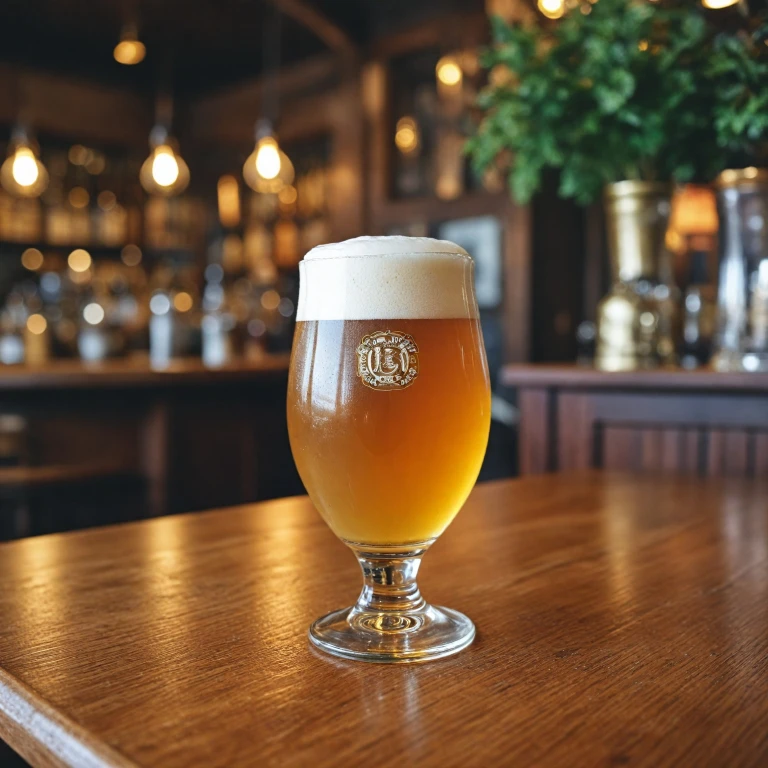
Belgian blonde ale looks gentle, but it hides a confident strength. Typically golden to light amber, it pours with a dense, creamy head that hints at its Belgian yeast character. Alcohol levels are usually higher than many everyday lagers, yet the warmth is wrapped in soft malt sweetness and delicate spice. This balance of approachability and depth is what makes the style so inviting for both newcomers and seasoned beer fans.
The role of Belgian yeast
At the heart of Belgian blonde ale is expressive yeast. Instead of staying neutral, Belgian strains create layers of fruity esters and spicy phenols ; think notes of pear, light banana, clove, and gentle pepper. These flavors are not as bold as in some abbey or tripel ales, but they are clearly present, giving the beer a signature Belgian personality without overwhelming the palate.
Malt sweetness and refined bitterness
The malt profile leans toward pale and lightly caramelized malts, bringing soft bread, honey, or biscuit impressions. Bitterness is firm enough to keep the beer from feeling sugary, yet rarely sharp. Noble or European hops add a subtle floral or herbal touch, supporting the yeast and malt rather than stealing the spotlight. This harmony is one reason Belgian blonde ale often becomes a gateway into more complex Belgian styles and classic brands such as traditional Belgian lagers and blondes.
A versatile foundation for tradition and creativity
Because the base profile is so balanced, brewers can lean into heritage or experiment with modern twists. This versatility shapes how iconic breweries defined the style over time and how today’s producers explore new yeast strains, hopping techniques, and food pairings while staying true to the blonde ale’s elegant core.

How famous brands shaped the style blonde
Monastic roots and the birth of a modern classic
Belgian blonde ale may feel like a contemporary style, but its character is deeply rooted in monastic brewing. Trappist and abbey breweries sought a golden, approachable beer that could sit between light table beers and richer dubbels. Their blondes were designed to be inviting in color and aroma, yet quietly potent, with a dry finish and a refined yeast profile that still guides the style today.
Iconic brands that defined expectations
As Belgian blonde ale moved beyond monastery walls, a few key breweries helped set the benchmark. Well-known abbey labels refined the balance of soft malt sweetness, gentle bitterness, and expressive Belgian yeast, making the style recognizable worldwide. These brands showed that a pale beer could be both easy-drinking and complex, encouraging drinkers to pay attention to aroma, flavor, and mouthfeel in ways usually reserved for darker ales.
From local specialty to global reference
Once export markets opened up, Belgian blonde ale became a reference point for brewers everywhere. International breweries began crafting their own interpretations, sometimes dialing up the alcohol, sometimes emphasizing hops, but almost always nodding to the Belgian originals. This global interest paved the way for today’s conversations about food pairings and modern brewing techniques, where tradition still anchors innovation.
Influence on today’s brewing landscape
The success of these famous blondes also inspired a wave of experimental breweries that blend Belgian yeast character with bolder hop profiles and new ingredients. Some of these innovators, such as those highlighted in features on bold American-Danish brewing collaborations, show how the clean, golden canvas of a blonde ale can support modern twists without losing its roots. In many ways, the enduring popularity of Belgian blonde ale proves that clarity of style and respect for yeast-driven character never go out of fashion.
Tasting belgian blonde ale : aroma, flavor and mouthfeel
First impressions on the nose
Bring the glass to your nose and you will usually notice a gentle, elegant aroma rather than an aggressive hop punch. Belgian blonde ales lean on fruity esters and spicy phenols from their yeast. Expect notes of pear, apple, light banana, and sometimes a hint of citrus. These are often wrapped in subtle peppery or clove-like spice, with a soft honey or biscuit malt backdrop.
Hop character stays in the background, adding a light floral or herbal touch. Some modern brewers experiment with more expressive hop varieties ; when they do, the line between classic Belgian character and new-world aromatics can blur, much like the way orange-forward hop and malt profiles have entered brewer vocabulary.
Flavor profile in each sip
On the palate, balance is key. The first impression is usually a soft malt sweetness – think light honey, fresh bread, or crackers – quickly joined by fruity yeast notes. The spice you smelled often appears as a gentle peppery edge, keeping the beer from feeling cloying.
Bitterness is moderate, just enough to dry the finish and invite another sip. Alcohol warmth should be present but smooth, adding depth rather than burn. Compared with stronger abbey or Trappist ales mentioned elsewhere in the article, the blonde feels more approachable yet still complex.
Mouthfeel and carbonation
Belgian blonde ale typically has a medium body with lively, fine carbonation. That effervescence lifts the flavors, scrubs the palate, and enhances the perception of dryness. The texture should feel silky rather than heavy, with a crisp, slightly spicy finish that makes the style so versatile at the table and so easy to return to for another glass.
Food pairings that make belgian blonde ale shine
Classic pairings that never fail
Belgian blonde ale is a natural partner for many European dishes thanks to its gentle malt sweetness, soft spice, and restrained bitterness. One of the most reliable pairings is with moules-frites ; the beer’s carbonation cuts through the briny richness of the mussels, while its light body keeps the fries from feeling too heavy. Creamy cheeses such as Brie or Saint-André also work beautifully, as the subtle fruity esters echo the cheese’s buttery notes without overwhelming them.
Roast chicken or turkey seasoned with herbs like thyme and rosemary is another excellent match. The delicate spice character from the yeast mirrors the herbs, while the dry finish keeps each bite feeling clean and inviting.
Elevating everyday meals
Beyond classic Belgian fare, this style shines with simple weeknight dishes. Try it alongside grilled salmon or white fish ; the beer’s light malt backbone supports the fish’s sweetness, and the gentle bitterness refreshes the palate. Vegetable-based plates, such as roasted root vegetables or a leek and potato tart, benefit from the beer’s subtle sweetness and soft carbonation.
Even casual foods pair well. A lightly spiced chicken burger or a ham and Swiss sandwich gains extra depth when enjoyed with a well-made blonde, as the beer’s fruity notes brighten the savory flavors.
Playing with contrast and dessert
For contrast, serve Belgian blonde ale with mildly spicy dishes like Thai basil chicken or Moroccan chicken tagine. The beer’s sweetness and carbonation soften the heat while its spice notes connect with the aromatics in the dish.
When it comes to dessert, think fruit tarts, poached pears, or a simple vanilla panna cotta. The beer’s light body and gentle fruitiness echo the dessert without making the pairing cloying, ending the meal on a balanced, refreshing note.
How breweries balance tradition and modern demand for belgian blonde ale
Respecting monastic roots in a modern brewhouse
For many Belgian blonde ales, the benchmark remains the abbey and Trappist traditions that shaped the style. Brewers still rely on classic pale malts, expressive Belgian yeast strains, and carefully controlled fermentation temperatures to keep those familiar notes of honeyed malt, gentle spice, and soft fruit. Even when using stainless steel and digital controls, they often mimic older cellar conditions ; long, cool conditioning and patient maturation help the beer stay true to its roots.
Adapting recipes for today’s drinkers
Modern drinkers expect consistency, clarity, and a clean finish, so breweries fine-tune their recipes without losing character. Some slightly lower the alcohol content to make the beer more sessionable, while others adjust carbonation to create a livelier, more refreshing profile. Hop additions may be tweaked for a brighter, herbal edge, but bitterness is usually kept in check so the style remains approachable and food-friendly.
Innovation that still feels authentically Belgian
Innovation often happens at the edges rather than the core. Breweries might experiment with small-batch variants using different yeast strains, subtle dry-hopping, or short rests in oak to add complexity. Limited releases allow them to test new ideas without changing the flagship blonde that regulars expect. Many also invest in quality control labs, ensuring that the signature peppery esters and delicate sweetness remain stable from batch to batch.
Communicating heritage to a global audience
As Belgian blonde ale reaches new markets, breweries lean on storytelling as much as brewing skill. Labels, taproom tours, and export marketing highlight local water sources, historic recipes, and long-standing brewing families. This context helps drinkers understand why the style’s restrained bitterness, golden color, and balanced profile are not accidents, but the result of generations of careful refinement.