

What makes lambic kriek beer so different from other beers
Lambic kriek stands apart from most beers before you even take a sip. Where classic ales and lagers rely on carefully selected brewer’s yeast, lambic is fermented by wild yeasts and bacteria drifting in the air of Belgium’s Senne valley. This spontaneous fermentation is at the heart of what makes kriek lambic so distinctive.
Wild fermentation and the Senne valley
Instead of pitching a lab-grown yeast strain, lambic brewers cool their wort in shallow, open vessels called coolships. Overnight, local microflora settle into the liquid and start a slow, complex fermentation. The result is a beer with layers of tartness, funk, and earthy depth that you simply do not find in standard fruit beers or kettle sours.
Barrel aging and careful blending
After fermentation begins, lambic rests in oak barrels for years. Each cask develops its own personality : some sharper and more acidic, others softer and more rounded. To make kriek, brewers add whole cherries to selected lambics, then blend different barrels to balance fruit, acidity, and oak character. This patient, artisanal approach contrasts strongly with modern, quick-turn fruit beers that may use concentrates or extracts.
Terroir, tradition, and strict regional roots
Lambic kriek is also different because it is deeply tied to place. The specific mix of wild yeasts, the local brewing methods, and the long history of lambic production around Brussels create a kind of beer “terroir”. To understand why this matters, it helps to look at the rich tradition of Belgian lambic as a whole, from its origins to today’s respected producers. This sense of origin and authenticity is a key reason lambic kriek has become a reference point for both traditional Belgian brewing and modern craft experimentation.

From traditional kriek to modern fruit beers
From farmhouse tradition to cherry-packed shelves
Traditional kriek lambic began as a farmhouse solution to a simple problem : what to do with a surplus of sour cherries. Brewers in the Senne valley added whole, fresh fruit to young lambic resting in oak barrels. Wild yeasts and bacteria slowly transformed the sugars, leaving a bone-dry, intensely tart beer with deep cherry character, almond-like notes from the pits, and almost no residual sweetness.
For decades, this meant real cherries, long maturation, and careful blending. The result was closer to a rustic wine than to what many people now imagine when they hear “cherry beer”. As lambic reached a wider audience, tastes and expectations shifted. Some producers began sweetening their kriek, using concentrates or syrups, and shortening maturation to appeal to drinkers used to softer, fruit-forward beers.
At the same time, modern craft brewers outside Belgium embraced the idea of mixed fermentation and fruit additions, but with their own twist. Instead of only sour cherries, they experimented with raspberries, peaches, blackcurrants, tropical fruits, and even blends of several fruits. Many of these beers are inspired by lambic techniques yet use house yeast strains, stainless steel, or quicker souring methods.
This evolution parallels the rise of other flavour-driven styles, such as hazy, juicy IPAs ; both trends show how modern drinkers enjoy bold, fruit-led profiles. If you are curious about how this plays out in hop-forward beers, you can read more about the hazy beer hug phenomenon.
Today, you will find everything from unsweetened, traditional kriek lambic to bright red, dessert-like cherry beers. Understanding this spectrum helps you appreciate why some bottles taste sharply tart and complex, while others lean toward sweet refreshment.
Breweries that shaped the taste of kriek lambic
Historic blenders and cherry pioneers
When people talk about kriek lambic, a few historic names always come up. Cantillon in Brussels is often cited as a benchmark. Their approach stays close to the roots : whole sour cherries macerated in traditional lambic, long maturation, and almost no compromise on intensity. The result is a bone-dry, deeply complex kriek that shows how powerful spontaneous fermentation can be.
In the Senne valley and Pajottenland, 3 Fonteinen and Boon helped define what many drinkers now expect from a classic kriek. 3 Fonteinen focuses on blending finesse, layering different lambics to balance fruit, funk, and oak. Boon, meanwhile, played a key role in making authentic kriek more widely available, proving that traditional methods could work on a larger scale without losing character.
Some producers pushed kriek lambic in a more approachable direction. Lindemans and Mort Subite popularised sweeter, fruit-forward versions that introduced many newcomers to the style. While purists sometimes debate these beers, they undeniably expanded the audience for cherry beers and paved the way for today’s wide spectrum of interpretations.
Modern craft breweries outside Belgium also took inspiration from kriek lambic. American and European sour brewers experimented with mixed fermentation, barrel ageing, and whole fruit additions, often citing Belgian lambic as a reference point. If you enjoy bold, hop-driven ales like innovative American craft beer, you will notice a similar spirit of experimentation in these modern cherry sours, even if the techniques differ.
Together, these breweries shaped not only how kriek lambic tastes today, but also how drinkers understand it : from austere, traditional cherry lambics to sweeter gateway beers and contemporary craft interpretations that build on the same wild, fruity foundation.
How lambic kriek beer tastes and how to enjoy it
Flavour profile in the glass
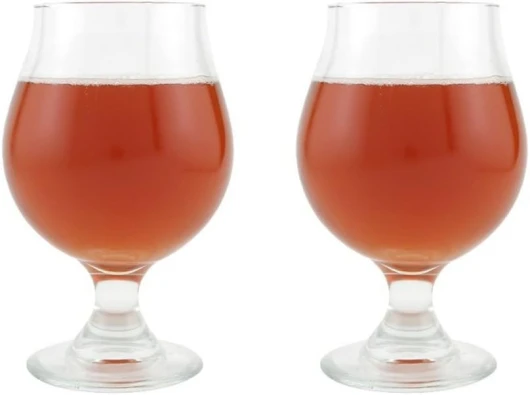
When you pour a lambic kriek, you will usually see a deep ruby to garnet colour with a pinkish foam that fades fairly quickly. On the nose, expect bright cherry aromas, often with hints of almond, red berries, and a subtle funk coming from the wild fermentation you read about earlier. The first sip brings a lively acidity rather than hop bitterness, with flavours ranging from fresh sour cherries to darker, jammy notes, depending on the fruit and ageing.
The finish is typically dry, sometimes slightly tannic from cherry skins and pits, and can show earthy, leathery, or barnyard nuances. Traditional versions lean more tart and complex, while sweeter interpretations feel rounder and more approachable.
Serving temperature and glassware
Serve lambic kriek slightly chilled, around cellar temperature. Too cold and you mute the fruit and funky aromatics ; too warm and the acidity can feel harsh. A tulip or small wine glass works well, concentrating the aromas while giving space to swirl and release the bouquet.
Food pairings that shine
- Cheese : Soft goat cheese, washed-rind cheeses, or a mild blue balance the acidity and highlight the fruit.
- Desserts : Pair with dark chocolate tarts, cherry clafoutis, or almond cakes to echo the cherry and marzipan notes.
- Savoury dishes : Rich duck, pork with cherry sauce, or game dishes benefit from the beer’s cleansing acidity.
When and how to enjoy it
Lambic kriek is ideal as an aperitif, a dessert companion, or a contemplative sipper to compare traditional and modern fruit expressions. Pour gently to preserve carbonation, take time to smell before each sip, and, if you can, taste different producers side by side to appreciate how brewing choices shape the balance between fruit, acidity, and funk.
Why lambic kriek beer matters for belgian beer culture and modern brewing
A living link between past and present
Lambic kriek sits at the crossroads of Belgian heritage and modern brewing. Rooted in spontaneous fermentation and local ingredients, it preserves techniques that predate industrial brewing. The same wild yeasts and patient barrel aging that shape its character also keep alive a way of making beer that might otherwise have vanished.
At the same time, lambic kriek speaks directly to today’s drinkers. Its balance of acidity, fruit character, and low bitterness feels surprisingly contemporary, especially for those who enjoy tart, wine-like or mixed-fermentation beers. Many brewers outside Belgium now look to traditional kriek as a benchmark when they experiment with wild yeasts, barrel projects, and fruit additions.
Inspiration for brewers worldwide
The contrast between classic kriek and modern fruit beers shows how influential this style has become. Brewers borrow ideas such as long maturation, blending young and old beer, and using whole fruit rather than extracts. Even when they are not making a true lambic, they often reference kriek techniques to add depth and complexity.
This influence extends beyond sour beer. The careful attention to fermentation, terroir, and time has encouraged a broader respect for process in the global beer scene. Lambic kriek reminds brewers that patience and subtlety can be as powerful as hops and high alcohol.
A cultural emblem of belgian beer
For Belgium, lambic kriek is more than a specialty ; it is a symbol of regional identity. It showcases how local microflora, traditional methods, and family breweries can create a style that is unmistakably tied to its origin. As beer culture evolves, lambic kriek stands as proof that innovation and tradition do not have to be opposites – they can grow from the same roots.