
Chimay red and the story behind trappist Belgian ales
From monastic life to iconic trappist ale
Chimay red is more than a Belgian beer ; it is the liquid expression of a monastic way of life. Brewed within the walls of Scourmont Abbey in southern Belgium, it belongs to the select family of Trappist ales, beers produced under the supervision of monks and whose profits support the community and charitable work. This link between faith, work, and hospitality is at the heart of Chimay red’s identity.
Trappist brewing grew from a simple need ; monasteries produced beer as a safe, nourishing drink for monks and visitors. Over time, some abbeys refined their recipes, creating complex ales that attracted attention far beyond their cloisters. Chimay became one of the best known, and its red label ale is often the first encounter many beer lovers have with Trappist brewing.
What sets Chimay red apart is how it balances tradition with accessibility. It is brewed on a relatively small scale compared with industrial lagers, yet it is widely available and consistent. This makes it a natural gateway into the broader world of Belgian abbey and Trappist beers, preparing you for deeper dives into flavour, food pairing, and style comparisons later on.
Understanding this background helps explain why its malt profile, fruity notes, and gentle bitterness feel so carefully judged ; they are the result of generations of refinement rather than market trends. When you explore its aroma and taste, pair it with cheese or hearty dishes, or compare it with other Belgian ales in your fridge, you are not just tasting a beer. You are tasting a living tradition that continues to shape how we think about strong, characterful ales today.
For another example of how Belgian brewing heritage can shine in a modern beer fridge, you can read about why a classic blonde Belgian ale earns a permanent place on the shelf.

How chimay red tastes : from creamy head to light fruity notes
First impressions in the glass
Chimay red pours a deep, warm copper with ruby highlights, topped by a dense, off-white foam that lingers. The creamy head is not just pretty ; it helps trap the aromas, slowly releasing them as you drink. Swirl the glass gently and you will notice fine carbonation rising in steady streams, giving the beer a lively yet refined appearance.
Aromas that hint at complexity
Bring the glass to your nose and you are greeted by a mix of malt sweetness and subtle fruit. Expect notes of caramel, light toffee, and a touch of brown sugar. Alongside these, you may pick up dried fruits such as raisin or fig, plus a faint hint of spice from the Trappist yeast. The aroma is rich but never aggressive, inviting you to take your time.
Layers of flavor on the palate
The first sip is smooth and rounded. A gentle malt sweetness leads, with flavors of biscuit, caramel, and a soft nuttiness. Then come the light fruity notes ; think red apple, pear, and a suggestion of dark stone fruit. The yeast character adds a mild spiciness, giving depth without overshadowing the malt.
Bitterness is present but restrained, just enough to balance the sweetness and keep the finish from feeling heavy. The aftertaste is dry for such a malt-forward beer, with a lingering echo of fruit and caramel.
Mouthfeel and how it shapes the experience
Chimay red has a medium body with a velvety texture, helped by its fine carbonation. It feels full but not cloying, which is key when you later pair it with cheeses or hearty dishes. If you are curious how this kind of layered profile compares with more modern Belgian-inspired brews, you can contrast it with the brighter, fruit-forward character described in this guide to Krush beer flavors.
Food pairings with chimay red : cheeses, meals and even dessert
Pairing chimay red with cheese boards
Chimay red is a natural match for cheese, especially when you build a simple yet thoughtful board. Start with semi-soft and washed-rind cheeses ; their earthy, slightly pungent character echoes the beer’s malt depth. Of course, Chimay’s own Trappist cheeses are a classic option, but you can also try similar styles from your local cheesemonger.
Add a nutty hard cheese, such as aged gouda or a well-matured cheddar, to highlight the caramel and toffee notes in the beer. Blue cheeses work too, as the beer’s gentle sweetness softens their sharp edges. Round out the plate with dried fruits, fresh pears or apples, and a handful of walnuts or almonds.
Main courses that flatter its malt profile
The rounded malt body and light fruity notes of Chimay red make it ideal for hearty, savoury dishes. Slow-cooked beef stews, braised short ribs, or roast pork with a caramelised crust all benefit from the beer’s subtle sweetness and light spice. The carbonation lifts the richness, keeping each bite from feeling too heavy.
For poultry, try roast chicken with herbs or duck with a fruit-based sauce ; the beer’s dried-fruit accents echo the glaze without overwhelming it. Mushroom-based dishes, such as risotto or a creamy mushroom pasta, also pair beautifully, as the earthy flavours resonate with the beer’s malt complexity.
Sweet endings and creative pairing ideas
Chimay red can bridge the gap between main course and dessert. Think of desserts that feature caramel, nuts, or dark fruits : bread pudding, pecan pie, or a simple almond tart. The beer’s gentle bitterness keeps these sweets from becoming cloying.
For a more adventurous pairing, serve it alongside a dark chocolate dessert with a touch of sea salt. The contrast between roasted cocoa and the beer’s fruity, bready notes is striking. If you enjoy exploring Belgian styles with food, you might also like to read about food pairing ideas for saison beers, which offer a lighter, spicier counterpoint to Chimay red.
Chimay red in the beer business and among other chimay beers
An accessible gateway to the chimay range
Within the wider Chimay family, Chimay red often acts as the entry point. Its moderate strength, rounded malt profile, and gentle fruitiness make it less intimidating than stronger abbey ales. Once drinkers feel comfortable with its balance of caramel malt, dried fruit notes, and subtle spice, they are more likely to explore Chimay’s stronger offerings, such as the blue and the white, which build on the same yeast character with different intensities.
Position in the trappist and belgian ale landscape
In the broader beer business, Chimay red holds a key role as a benchmark Trappist dubbel. Importers and specialty bars frequently use it as a reference when explaining what Trappist beer means ; brewed within a monastic community, under monastic supervision, and with profits supporting the abbey and charitable work. Its consistent quality and wide availability help maintain consumer trust in the Trappist label and in Belgian ales in general.
How chimay red competes and complements
From a market perspective, Chimay red competes with other classic Belgian dubbels and strong dark ales, yet it also complements them. Retailers often place it alongside similar styles to encourage comparison tasting. Its recognizable branding and long-standing reputation make it a reliable choice for bars building a Belgian-focused tap list or bottle selection. For many venues, having Chimay red on the menu signals seriousness about traditional European beer.
Role in education and tasting culture
Chimay red is frequently used in tasting flights and beer education sessions. Its clear expression of Trappist yeast character, malt sweetness, and restrained bitterness helps illustrate the foundations of Belgian brewing. When tasted next to other Chimay beers, it shows how variations in strength, hopping, and fermentation can create a full family of flavors while staying rooted in the same monastic tradition.
Practical tips to enjoy chimay red and compare it with other Belgian ales
Serving temperature, glassware and pouring
Chimay red shows its best side when served slightly cool, not fridge-cold. Aim for around cellar temperature ; too cold and the malt and fruit notes stay muted, too warm and the alcohol can feel sharper.
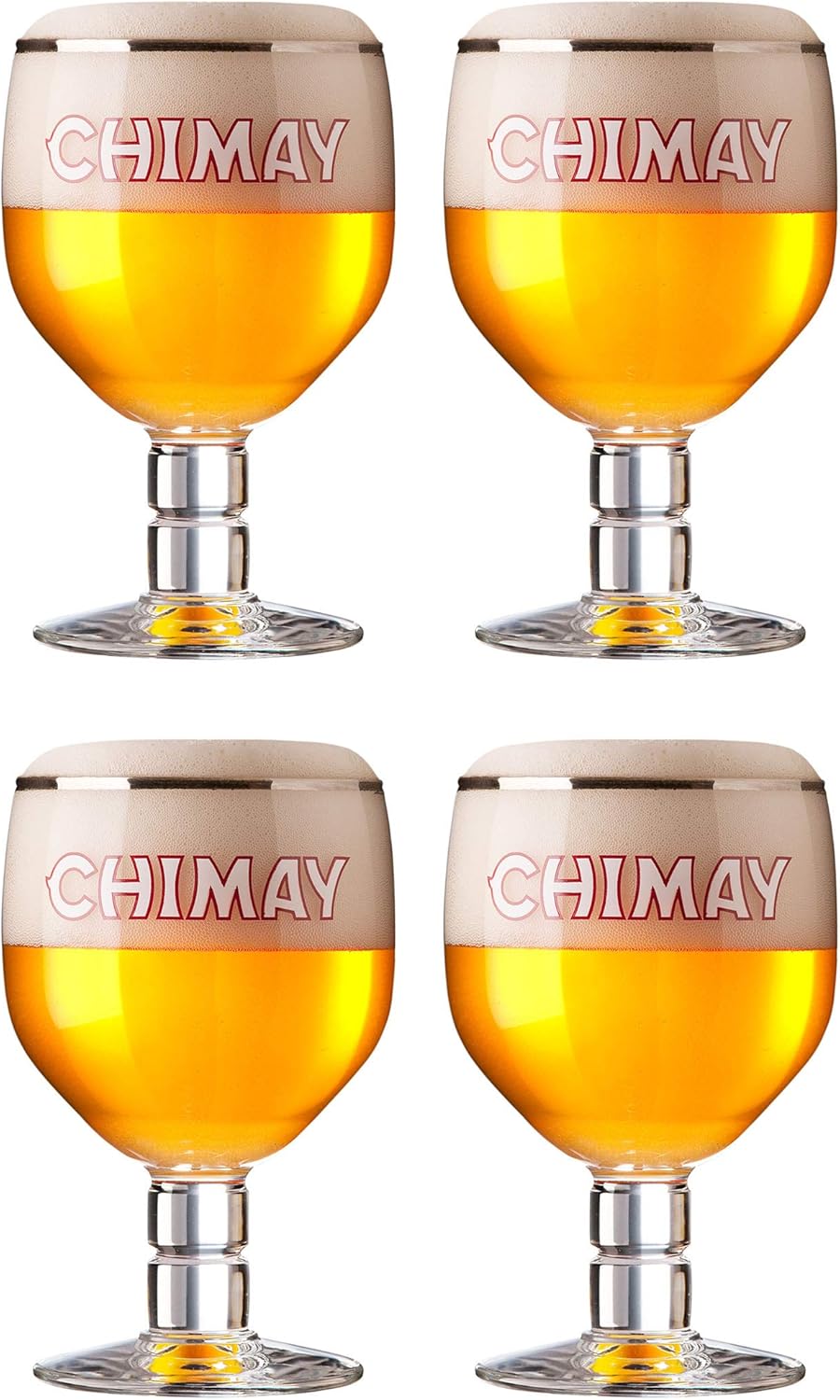
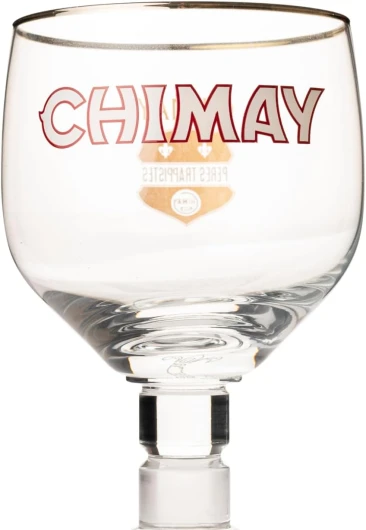
Use a wide chalice or goblet-style glass. The open shape lets the creamy head form properly and gives the aromas room to develop, much like you would expect from other Trappist and abbey ales. When pouring, tilt the glass, pour slowly down the side, then straighten up to build a dense, off-white foam cap.
How to taste and compare with other Belgian ales
Approach your first sip as you would a tasting of classic Belgian dubbels and strong ales. Start by noting the colour and clarity, then swirl gently to release the light fruity and caramel notes you have read about earlier.
When comparing Chimay red with other Belgian ales, focus on three points :
- Body and sweetness – Many dubbels feel heavier and sweeter. Chimay red tends to balance malt richness with a drier finish.
- Yeast character – Compare the subtle spice and fruit to the more pronounced phenolics you might find in stronger Trappist or abbey beers.
- Bitterness and finish – Notice how the gentle bitterness cleans the palate, especially versus bigger, boozier Belgian ales.
Building a small tasting session at home
For a simple home tasting, line up Chimay red alongside a blond Trappist ale and a darker, stronger Belgian ale. Taste from lowest to highest strength, rinsing your glass with water between beers. Take short notes on aroma, flavour and mouthfeel ; you will quickly see how Chimay red sits at the crossroads of malt depth, drinkability and subtle complexity.