

Chimay red beer and the story behind this trappist abbey ale
An abbey ale born from monastic life
Chimay red is more than a Belgian beer ; it is the liquid expression of life at Scourmont Abbey, where Trappist monks balance prayer, work, and contemplation. Brewing is not a marketing project for them, but a way to support their community and charitable works. This sense of purpose shapes the character of the beer in the glass and the way it is enjoyed at the table.
Like other Trappist ales, Chimay red is brewed within the abbey walls under monastic supervision. The focus is on quality, consistency, and humility rather than chasing trends. Profits are not used to enrich shareholders ; they help maintain the abbey and are directed to social and humanitarian causes. When you drink this beer, you are indirectly connected to that wider mission.
From monastic table beer to global classic
Originally, beers like Chimay red were brewed as nourishing drinks for the monks and their guests. Over time, the recipe evolved into the rich, copper-hued ale we know today, while still keeping its roots as a contemplative, food-friendly beer. Its balanced profile makes it a natural starting point before exploring stronger Trappist styles such as the La Trappe quadrupel tradition.
This background helps explain why Chimay red is brewed with such care, from the choice of malts and yeast to the secondary fermentation in the bottle. Later, when looking at its appearance, aroma, and flavour, or at how best to serve and pair it with food, it is useful to remember that this is first and foremost an abbey ale, crafted to be savoured slowly rather than rushed.

How chimay red beer looks, smells and tastes in the glass
First impressions in the glass
Pouring Chimay red into a tulip or chalice, you immediately notice its deep copper to reddish-brown hue. It is clear, yet rich and glowing, with a creamy off-white head that forms dense foam and leaves elegant lacing on the glass. The carbonation is lively but not aggressive, sending a steady stream of bubbles through the beer.
Aroma : fruity, spicy, and malty
Bring the glass to your nose and you are greeted by a layered bouquet. Ripe dark fruits come first ; think raisins, figs, and a touch of plum. Behind that, you will find gentle spicy notes reminiscent of clove and pepper, coming from the Trappist yeast rather than added spices. A soft caramel and toffee sweetness supports these aromas, with a hint of bread crust and a light, earthy touch. As the beer warms, the bouquet opens up, revealing more complexity and a subtle floral edge similar to other characterful Belgian ales such as iconic Belgian strong ales.
Flavour profile on the palate
The first sip of Chimay red is smooth and rounded. A gentle malt sweetness leads, with flavours of caramel, biscuit, and light toffee. Dark fruit notes echo the aroma, adding depth without becoming cloying. The yeast character brings subtle spice and a faint phenolic edge that keeps the sweetness in check.
Bitterness is moderate and soft, providing balance rather than sharpness. The body is medium, with a velvety mouthfeel and a drying finish that invites another sip. Alcohol warmth is present but well integrated, never harsh. This balance of malt richness, fruity complexity, and restrained bitterness is what makes Chimay red so versatile for food pairing and such a benchmark within the Trappist tradition.
Brewing and yeast : how chimay red beer gets its character
From mash tun to bottle : the trappist brewing approach
Chimay red starts with a classic Belgian trappist grist built around pale malt, enriched with darker specialty malts. These roasted and caramel malts bring the amber colour and notes of toffee, dried fruit and gentle toast you notice when tasting. A carefully controlled mash schedule helps create a medium body ; not too heavy, but with enough residual sweetness to balance the yeast character and bitterness.
Hops play a supporting role rather than taking centre stage. Traditional European varieties add a firm but smooth bitterness and a subtle herbal touch. If you are used to intensely hopped modern ales and like to read about how strong is elysian space dust ipa really, Chimay red will feel more restrained, with bitterness designed to frame the malt and yeast rather than dominate.
The famous chimay yeast and its layered profile
The real soul of Chimay red lies in its house yeast. This trappist strain is highly expressive, producing fruity esters and spicy phenols that define the beer’s aroma and flavour. Fermentation at relatively warm temperatures encourages notes of red apple, pear, light banana and hints of clove and pepper. These yeast-driven nuances are what link the beer to other Belgian abbey styles you may compare later.
After primary fermentation, the beer is conditioned and then refermented in the bottle. This secondary fermentation naturally carbonates the beer and allows flavours to evolve over time. The fine, lively bubbles you see in the glass, and the way the aroma opens as the beer warms, are direct results of this process. It also explains why careful serving and the right glassware matter so much when you move on to enjoying Chimay red at the table.
Serving, drinking and pairing chimay red beer at the right level
Ideal temperature and glassware for chimay red
Chimay red shows its best side when served slightly chilled, not fridge-cold. Aim for around cellar temperature ; too cold and the malt and dark fruit notes stay muted, too warm and the alcohol can feel a bit sharp. Take the bottle out of the fridge 15–20 minutes before pouring, or keep it in a cool, dark place and give it a brief chill before serving.
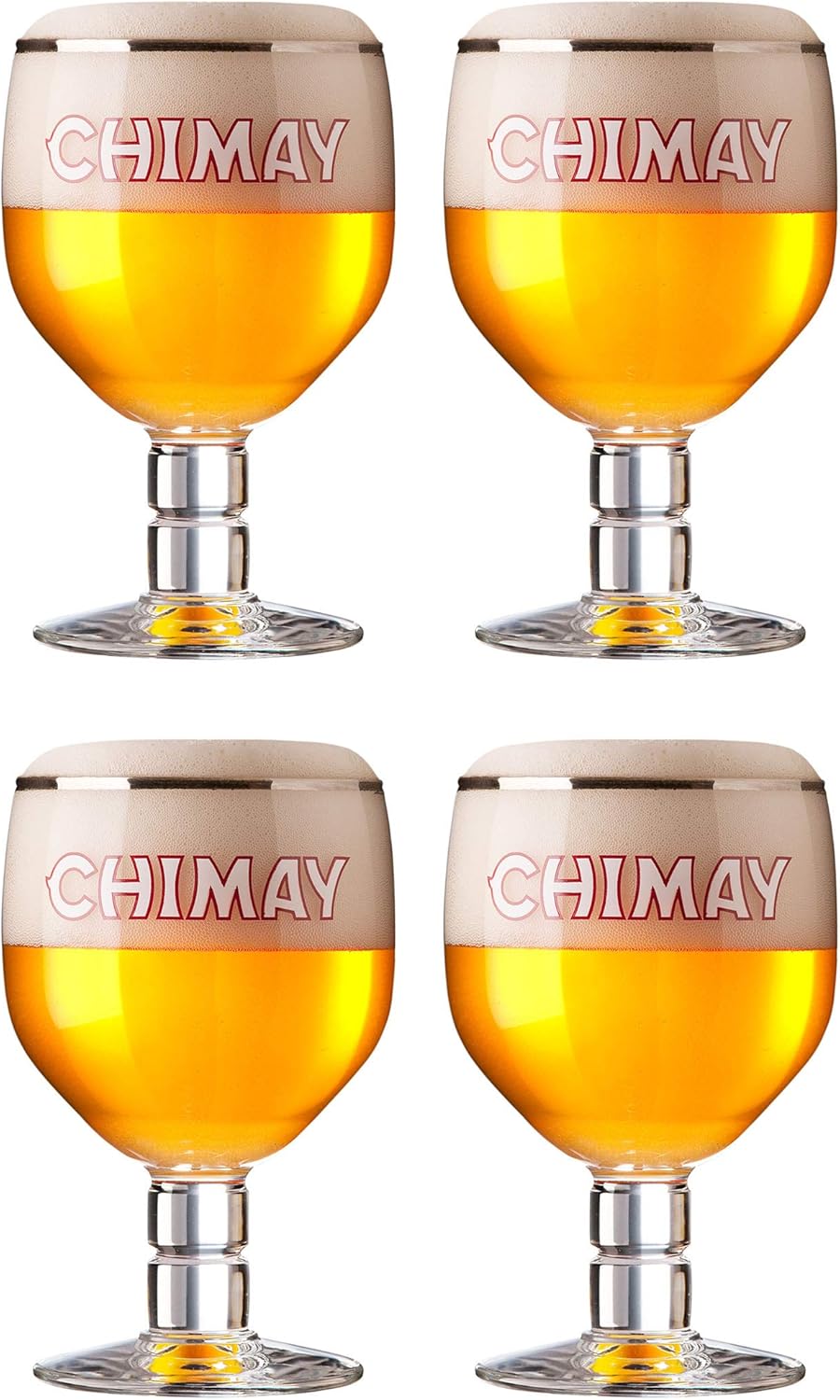
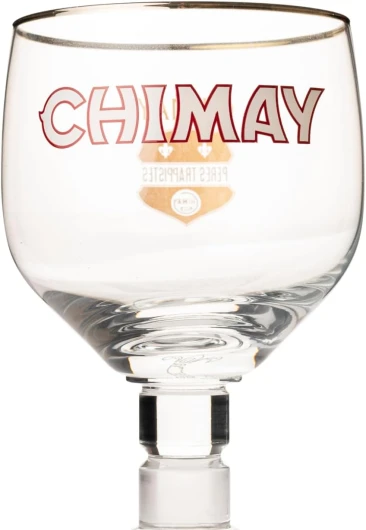
The classic choice is the wide, stemmed Chimay goblet. Its open bowl lets the rich aroma of caramel, dried fruit and subtle spice rise easily, while the stem keeps your hand from warming the beer too quickly. If you do not have the official glass, a tulip or small snifter works very well.
Pouring and tasting to enjoy every layer
Pour gently into the center of the glass, then tip the bottle and glass slightly to build a creamy, off-white head of one to two fingers. This helps release the aromas you explored earlier when looking at its appearance and nose. You can leave the yeast sediment in the bottle for a cleaner profile, or swirl and add it at the end for extra complexity and a softer mouthfeel.
Take small sips and let the beer warm slowly in the glass. As the temperature rises, the interplay of toffee, raisin, light spice and gentle bitterness becomes more expressive, echoing the character that comes from its distinctive Trappist yeast and traditional brewing methods.
Food pairings that flatter chimay red
Chimay red is versatile at the table. It pairs beautifully with :
- semi-soft and washed-rind cheeses, especially those with earthy, nutty notes
- roast chicken, pork or game with caramelised vegetables
- stews and braised dishes, where its malt sweetness complements slow-cooked flavours
- desserts based on dark chocolate, caramel or dried fruits
Think of it as a bridge between savoury richness and gentle sweetness, able to carry a meal from main course through to dessert.
Chimay red beer in the wider family of trappist and belgian beers
Where chimay red sits among trappist ales
Within the world of Trappist beers, Chimay red often serves as a benchmark for the dubbel style. Its balanced malt sweetness, gentle dark fruit notes and restrained bitterness place it between lighter Trappist blondes and the richer, stronger dark ales. Many beer enthusiasts use it as a reference point when exploring other abbey and Trappist offerings, because its profile is both approachable and unmistakably monastic.
Compared with stronger Trappist beers, Chimay red is more about harmony than intensity. While some dark Trappist ales lean heavily into alcohol warmth, deep caramel and heavy spice, Chimay red keeps these elements in check. The result is a beer that feels contemplative yet easy to drink, suitable for slow sipping without becoming overwhelming.
Relationship to other belgian styles
Chimay red also fits neatly into the broader Belgian landscape. It shares the fruity esters and spicy phenols typical of Belgian yeast, but its malt-forward character sets it apart from hop-driven Belgian pale ales or the bright, effervescent profile of many golden strong ales. Where some Belgian beers highlight sharp bitterness or high carbonation, Chimay red emphasises rounded flavours and a soft, almost creamy mouthfeel.
When you compare it with classic Belgian dubbels from non-Trappist breweries, the differences are often subtle but meaningful. Chimay red tends to show a slightly more pronounced yeast character and a deeper, bread-like malt core, reflecting the monastic brewing tradition described earlier. It is less sugary than some abbey-labelled dubbels, with a drier finish that invites another sip.
In a tasting lineup of Belgian beers, Chimay red works beautifully as a bridge beer ; it links lighter blondes and tripels to darker, stronger ales, helping drinkers understand how yeast, malt and fermentation shape the spectrum of Belgian flavour.