


What makes belgian raspberry beer so different from other fruit beers
Belgian raspberry beer stands apart from most fruit beers because it is rooted in traditional lambic brewing rather than modern flavouring tricks. Instead of simply adding syrup or essence to a standard base, Belgian brewers often start with spontaneously fermented lambic, then age it on whole raspberries. This slow, careful process creates layers of complexity that many fruit beers never reach.
A wild fermentation with real fruit character
Most fruit beers rely on controlled yeast strains and predictable fermentation. By contrast, lambic is fermented by wild yeasts and bacteria from the air and the brewery’s wooden barrels. When raspberries are added, they do more than bring colour and sweetness ; they interact with this wild microflora, deepening the beer’s tartness and adding earthy, wine-like notes. The result is a drink that feels closer to a rustic sparkling wine than to a typical flavoured ale.
Balancing sweetness, acidity and tradition
Another key difference lies in balance. Many fruit beers lean heavily on sugar, masking any subtlety. Belgian raspberry beers, especially traditional lambics, aim for harmony between bright berry fruit, refreshing acidity and gentle funk. Some versions are sweetened for broader appeal, while others remain sharply tart and complex. This range of expressions makes them fascinating to compare with other Belgian classics such as a golden abbey tripel.
Because of this unique mix of wild fermentation, real fruit and careful blending, Belgian raspberry beer offers a tasting experience that rewards attention. Its vivid colour, lively aroma and interplay of sweet and sour will shape how you approach tasting notes, food pairings and buying choices in the rest of this guide.

Lindemans framboise and the story of fruit lambic in belgium
The rise of raspberry in traditional lambic brewing
To understand Belgian raspberry beer, you first need to look at lambic, the uniquely Belgian style that relies on spontaneous fermentation. Instead of adding a lab-grown yeast strain, lambic brewers expose their cooled wort to the wild yeasts and bacteria of the Senne valley. The result is a tart, complex base beer that becomes the canvas for fruit additions.
Raspberries entered the picture when brewers began adding whole fruit to barrels of young lambic. The fruit macerates in the beer for weeks or months, lending colour, aroma, and natural sweetness while the wild microbes continue to work. This is how framboise – raspberry lambic – was born.
Lindemans and the evolution of fruit lambic
Lindemans is one of the names most closely associated with raspberry lambic. A family brewery rooted in the Pajottenland, it helped bring fruited lambic from local cafés to export markets around the world. Lindemans Framboise uses lambic as a base, then adds raspberries and juice to create a beer that is both accessible and recognisably lambic, with a gentle tartness and vibrant berry character.
Over time, Lindemans and other lambic producers have experimented with sweetness levels, blending techniques, and packaging, making fruit lambic a gateway into sour beer for many drinkers. Their approach mirrors how other monastic and traditional breweries have adapted heritage styles for modern tastes ; think of how Trappist producers refined strong ales, as explored in this look at Trappist quadrupel tradition.
This balance between authenticity and approachability is key to the raspberry lambics you will taste and pair with food, as well as the bottles you will later seek out on shop shelves.
Tasting belgian raspberry beer : aroma, flavor and serving tips
First impressions in the glass
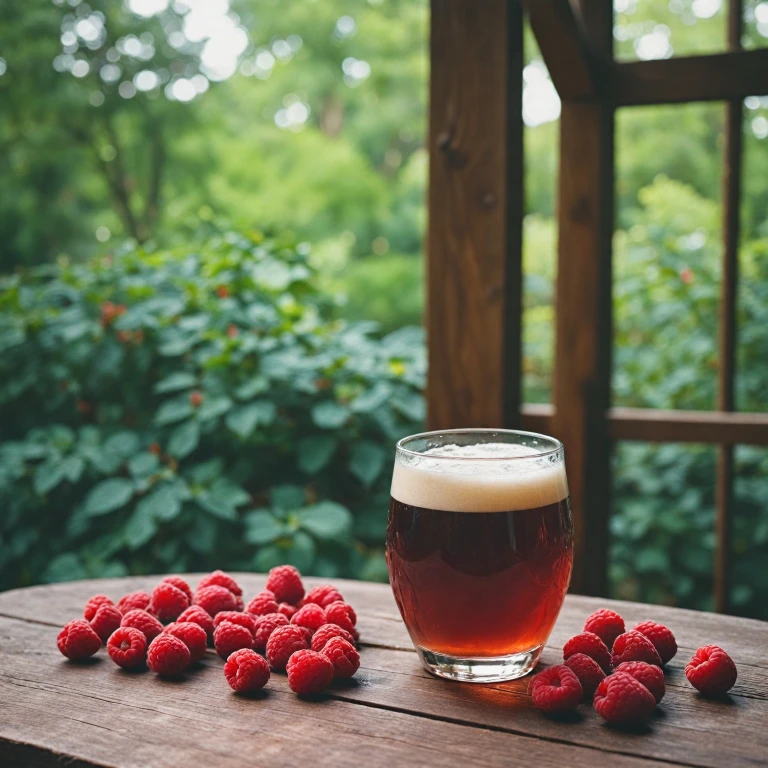
Pour a Belgian raspberry beer gently into a tulip or small wine glass. You will usually see a deep ruby to garnet color, often topped with a pinkish, mousse-like head. The clarity can range from hazy to brilliantly clear, depending on whether it is a traditional lambic or a more modern fruit ale. Swirl lightly to release the aromatics before your first sip.
How to read the aroma and flavor
Bring the glass to your nose and take short, gentle sniffs. You should notice layers of fresh raspberry ; some versions lean toward jammy sweetness, others toward tart, almost wild-berry notes. Underneath, there is often a subtle grainy malt character and, in traditional lambics, a complex, slightly funky edge from mixed fermentation yeasts.
On the palate, expect a lively carbonation and a balance between sweetness and acidity. Classic raspberry lambics tend to be sharply tart with a dry finish, while sweeter interpretations feel rounder and more dessert-like. Bitterness is usually low, letting the fruit and fermentation character shine. If you are curious about how different yeast strains shape these flavors, this article on the impact of yeast on beer profiles gives useful background.
Serving temperature and practical tips
Serve Belgian raspberry beer slightly chilled, around cellar temperature rather than ice-cold. Too cold, and you mute the fruit and the nuanced lambic character ; too warm, and the acidity can feel harsh. Open the bottle carefully, especially with highly carbonated examples, and pour in stages to control the head. For sharing, smaller pours in stemmed glasses work best, allowing everyone to appreciate the color, aroma, and evolving flavors with each sip.
Food pairings and serving ideas that make raspberry lambic shine
Classic pairings that flatter raspberry lambic
Belgian raspberry beer shines when its bright acidity and gentle sweetness meet the right food. Think of it as a bridge between beer and wine ; it can play the role of a fruity rosé or a light dessert wine.
- Soft cheeses : Brie, Camembert, or fresh goat cheese gain a lift from the beer’s tart berries and lively carbonation.
- Charcuterie boards : Salty cured meats, pâtés, and cornichons contrast beautifully with the fruit and subtle funk of traditional lambic.
- Chocolate desserts : Dark chocolate tarts, brownies, or truffles pair wonderfully with raspberry notes, echoing a classic patisserie combination.
- Berry‑based sweets : Cheesecake, pavlova, or panna cotta topped with fresh berries mirror the beer’s core flavors.
Savory dishes that highlight the fruity acidity
Do not limit raspberry lambic to dessert. Its acidity cuts through richness and refreshes the palate.
- Roast duck or pork : The beer’s tart fruit acts like a light, fruity sauce alongside fatty meats.
- Grilled sausages : Especially with herbs or mild spice, the lambic’s sweetness softens the savory edge.
- Salads with fruit or nuts : Mixed greens with goat cheese, walnuts, and a raspberry vinaigrette echo the beer’s profile.
Serving ideas for casual and special occasions
For relaxed evenings, serve raspberry lambic slightly chilled in a tulip glass with a simple cheese plate or dark chocolate squares. At brunch, pair it with waffles, crêpes, or French toast topped with berries instead of syrup.
For a more elaborate meal, use a small pour of raspberry lambic as an aperitif, then bring it back with dessert to create a sense of continuity. You can even drizzle a reduction of the beer over vanilla ice cream or poached pears for a subtle, elegant twist.
Buying belgian raspberry beer : styles, prices and what to look for
Understanding the main raspberry beer styles
When you shop for Belgian raspberry beer, you will usually meet three broad families. Traditional lambic with whole fruit is often labelled “framboise” and tends to be tart, complex and gently funky, echoing the rustic character described earlier in the article. Modern fruited ales, sometimes sweetened, are softer and more approachable, with a clearer raspberry candy note. Finally, you may find blended or barrel-aged versions, where raspberry lambic is married with other lambics or strong ales for extra depth.
Price ranges and what they tell you
Entry-level raspberry beers are typically pasteurised, lower in alcohol and sold in standard 33 cl bottles or cans. They are affordable and ideal if you are just starting to explore the style. Mid-range options often come from traditional lambic producers ; expect more nuanced acidity, real fruit and sometimes bottle conditioning. Premium bottles, especially vintage-dated or special blends, can be significantly more expensive, reflecting long ageing in oak and limited production.
Reading labels like a pro
Labels reveal a lot about what is in your glass. Look for mentions of “lambic”, “spontaneous fermentation” or “foeder / oak aged” if you want the classic Belgian profile. Ingredients lists that specify whole raspberries or raspberry puree usually signal more authentic fruit character than generic “aroma”. If you prefer a drier, more complex beer, seek out versions with no added sweeteners and note the stated sugar content where available.
Practical buying tips for home and cellar
For casual drinking, choose fresher bottles ; intense raspberry aroma fades over time. For cellaring, focus on traditional lambic-based framboise with cork-and-cage closures, which can evolve gracefully. When in doubt, buy two bottles : one to enjoy now while you practice the tasting approach outlined earlier, and one to open in a year to see how the beer has developed.