
Why fruit beer brands hit so hard right now
Why fruit beers suddenly feel everywhere
Fruit beer brands are booming because they sit right at the crossroads of flavor, fun, and approachability. For many people who find classic lagers or intensely bitter IPAs a bit harsh, a fruit-forward beer feels instantly welcoming. Bright notes of cherry, raspberry, mango, or passion fruit make that first sip less intimidating and more like a refreshing treat.
They also fit perfectly with how we drink today. Brunches, picnics, rooftop parties, and beach days all call for something light, colorful, and easy to share. A chilled can of fruited sour or a mixed pack of fruit wheat beers looks great on the table and tastes even better. It is the same logic that makes a tropical ready-to-drink cooler so appealing : low effort, high refreshment, and plenty of flavor.
Social media has amplified this trend. Eye-catching labels, bright beer colors, and creative fruit combinations are made for photos and quick reviews. When people post about a blueberry pastry sour or a guava gose, curiosity spreads fast. That curiosity then pushes breweries to experiment even more, which you will see when we look at both traditional European fruit beers and modern craft interpretations.
Health and wellness trends also play a role. While beer is still an indulgence, drinkers increasingly look for options that feel lighter, lower in alcohol, or at least packed with “real” ingredients like fruit. Many fruit beers lean into this perception with clear label claims and tasting notes, something we will break down when talking about how to read labels and reviews effectively.
All of this means fruit beer brands are no longer a niche ; they are shaping how the wider beer market evolves and what drinkers expect in their glass.

Classic European fruit beers and radlers that still set the bar
Belgian lambics and krieks that defined fruit beer
When people talk about fruit beer, they often mean Belgian lambics. These are wild-fermented beers from the Senne Valley, made with spontaneous fermentation and long barrel aging. Brewers then add whole fruit, usually cherries or raspberries, and let the beer mature until the fruit character fully blends with the funky, tart base.
Krieks (cherry lambics) bring deep red color, almond-like notes from the cherry pits, and a balance of sourness and gentle sweetness. Framboise (raspberry lambics) lean brighter and more aromatic, with a sharper acidity. These beers are not sugary cocktails ; they are complex, layered, and often quite dry.
When you later explore modern craft fruit beers, you will notice how many of them borrow ideas from these Belgian classics : mixed fermentation, barrel aging, and using real fruit instead of flavorings.
German radlers and shandies as everyday refreshers
On the other side of Europe, German radlers and British-inspired shandies show a lighter, more casual face of fruit beer. Traditionally, a radler is a mix of pale lager or pilsner with citrus soda or lemonade. The result is low in alcohol, sparkling, and extremely refreshing.
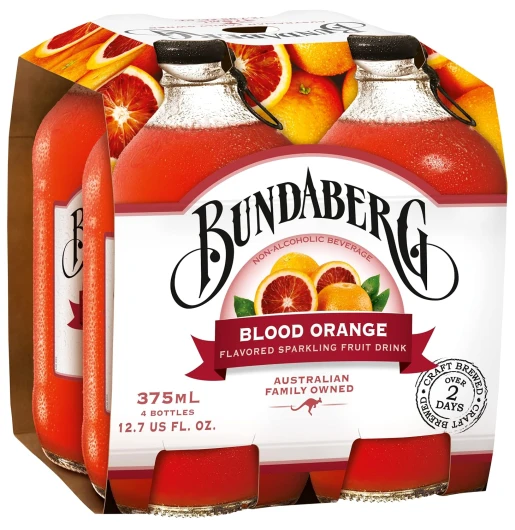
Classic European radlers focus on lemon or grapefruit, but you now see versions with blood orange, lime, or mixed citrus. They are designed for hot days, long bike rides, and social drinking where you want flavor without heaviness.
If you are thinking about enjoying these styles at home, pay attention to how draft systems keep them crisp and carbonated. A good example is using a home draft beer machine to serve light, citrusy beers at the right temperature and carbonation level, which really highlights their refreshing character.
Modern craft fruit beer brands you should know
Standout craft breweries pushing fruit beer forward
Modern craft breweries have turned fruit beer into a serious playground for creativity. Instead of just sweet, soda-like drinks, you now get layered, complex beers where fruit supports the malt, hops, and yeast rather than hiding them.
In the United States, hazy IPAs and sour ales are leading the charge. Breweries pack mango, passion fruit, guava, and citrus into juicy IPAs, often pairing them with expressive hop varieties. If you already enjoy bold hop profiles or are curious about high ABV hop-forward beers, these fruit‑driven IPAs are a natural next step.
On the sour side, kettle sours and Berliner Weisse variations showcase fruit in a bright, tart frame. Raspberry, blackberry, and cherry are classics, but you will also see pineapple, dragon fruit, and even smoothie‑style beers with lactose and vanilla for a dessert‑like twist. These contrast nicely with the more traditional European examples you may already know from earlier in the article.
Beyond the US, Scandinavian and UK breweries are experimenting with barrel‑aged fruit beers, blending wild yeast, oak, and fruit additions. The result is often funky, wine‑like beer that appeals to natural wine fans as much as to beer geeks.
- Sessionable fruit pale ales – lower alcohol, light body, citrus or stone fruit focus.
- Fruit‑packed hazy IPAs – thick mouthfeel, tropical fruit, soft bitterness.
- Modern fruited sours – tart, refreshing, sometimes creamy or pastry‑inspired.
When you read labels and reviews, pay attention to how breweries describe balance, sweetness, and acidity. That will help you match these modern fruit beers to your taste, and set you up for the tasting tips later in the article.
How to read labels and beer reviews for fruit beers
Key fruit clues on the front label
Start with the basics on the front of the bottle or can. Most fruit beer brands clearly state the fruit used, but the wording matters :
- “With natural flavors” often means fruit extracts or essences, not real fruit.
- “Brewed with real raspberries / mango / cherry” signals actual fruit or puree in the mash or fermentation.
- ABV (alcohol by volume) hints at sweetness ; lower ABV fruit beers and radlers tend to be lighter and more refreshing, while higher ABV versions can be richer and dessert-like.
Ingredients list and what it really tells you
Turn the bottle around and look at the ingredients. Classic European fruit beers often list barley malt, wheat, fruit juice, sugar, natural flavorings. Modern craft examples might specify fruit puree or even the exact variety, like Montmorency cherries or Alphonso mango.
Key things to notice :
- Fruit juice vs. puree – puree usually gives more body and intense flavor.
- Added sugar – suggests a sweeter profile, closer to soda than to a tart ale.
- Acid additions (lactic, citric) – common in sour fruit beers to sharpen the tang.
How to read tasting notes and user reviews
Beer reviews can be gold when you know what to look for. Focus on recurring words rather than star ratings alone :
- “Jammy, syrupy, candy-like” – expect a sweet, dessert-style fruit beer.
- “Dry, zesty, refreshing” – closer to the easy-drinking radlers and lighter options you may have met earlier.
- “Balanced, integrated fruit” – fruit supports the base beer instead of overwhelming it.
Compare these notes with your own tasting experiences to refine what you like and guide future choices.
Tasting tips and personal picks for fruit beer fans
Setting up your fruit beer tasting
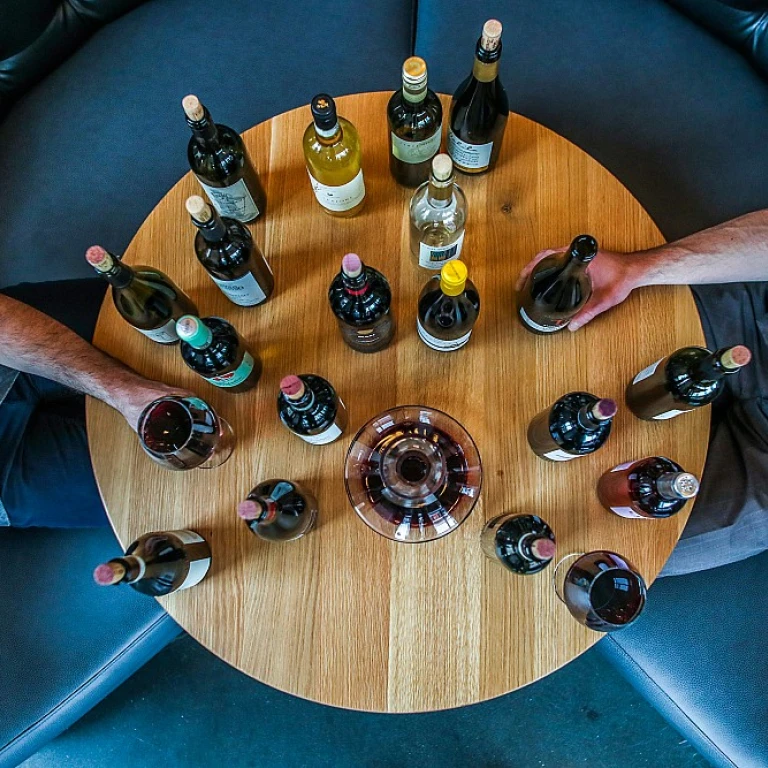
Fruit beers shine when you treat them like a relaxed wine tasting. Aim for 3 to 5 beers at a time so your palate does not get overwhelmed. Start with the lightest and driest options (like citrusy wheat beers or radlers), then move toward sweeter, stronger, or barrel-aged fruit beers.
Serve most fruit beers well chilled but not ice-cold. Around fridge temperature works for radlers and light wheat beers, while richer krieks, framboises, and pastry-style sours open up better a little warmer.
How to taste fruit beers like a pro
- Look : note colour and clarity. Is it hazy like juice or bright and sparkling ?
- Smell : swirl gently, then take short sniffs. Try to separate fruit aromas (cherry, raspberry, tropical) from the base beer (malt, spice, funk).
- Taste : focus on balance. Is the sweetness supported by acidity or bitterness, or does it feel syrupy ?
- Finish : pay attention to aftertaste. A good fruit beer should not feel cloying or artificial.
Personal picks to start your own lineup
To build a varied tasting, mix styles you may have met earlier in the article :
- A classic Belgian cherry beer for that sweet-and-tart benchmark.
- A German-style radler to show how refreshing low-ABV fruit beers can be.
- A modern fruited sour packed with berries or tropical fruit for intensity.
- A fruit-infused wheat beer (think mango or passion fruit) as an easy, crowd-pleasing option.
Take quick notes on aroma, sweetness, acidity, and how “real” the fruit tastes. Over time, you will spot which breweries and styles match your preferences, and those label terms from earlier sections will suddenly feel much more meaningful.