

Why belgian beers hit so hard on flavor and emotion
Where the magic in belgian beer really comes from
Belgian beer hits differently because it is built on layers of character rather than just hops or malt. Brewers lean heavily on expressive yeast strains, complex fermentation, and time-honoured methods. The result is beer that feels almost culinary ; rich, surprising, and full of personality.
Yeast is the quiet star. Belgian yeasts create aromas of clove, pepper, banana, stone fruit, even a hint of bubblegum in some styles. Instead of hiding these notes, Belgian brewers let them shine. That is why a simple golden ale can feel as nuanced as a glass of wine.
Emotion in a glass
Belgian beers are also tied to place and story. Trappist ales brewed by monks, farmhouse saisons born on rural estates, strong dark ales once poured for special occasions ; each style carries a sense of ritual. When you drink them, you are not just tasting ingredients, you are tasting tradition.
Many Belgian beers are deceptively strong yet remarkably balanced. A tripel, for example, can be bright, dry, and dangerously drinkable. If you want a deeper look at how this works in practice, read this guide to a golden abbey tripel with a surprisingly light touch. It shows how Belgian brewers pack in flavour without making the beer feel heavy.
Why this matters before you choose a bottle
Understanding this focus on yeast, balance, and story will help you make sense of the classic styles and iconic labels you will meet later. When you explore specific Belgian beer families and the famous names behind them, you will start to see how each bottle expresses this same emotional, flavour‑driven philosophy in its own way.

Classic belgian styles you should know before you pick a bottle
Trappist and abbey ales : the soul of Belgian brewing
When people think of Belgian beer, they often picture strong, golden or dark ales brewed by monks. These are Trappist and abbey beers. Trappist ales are brewed within Trappist monasteries under monastic supervision, while abbey ales follow similar traditions but are made by secular breweries.
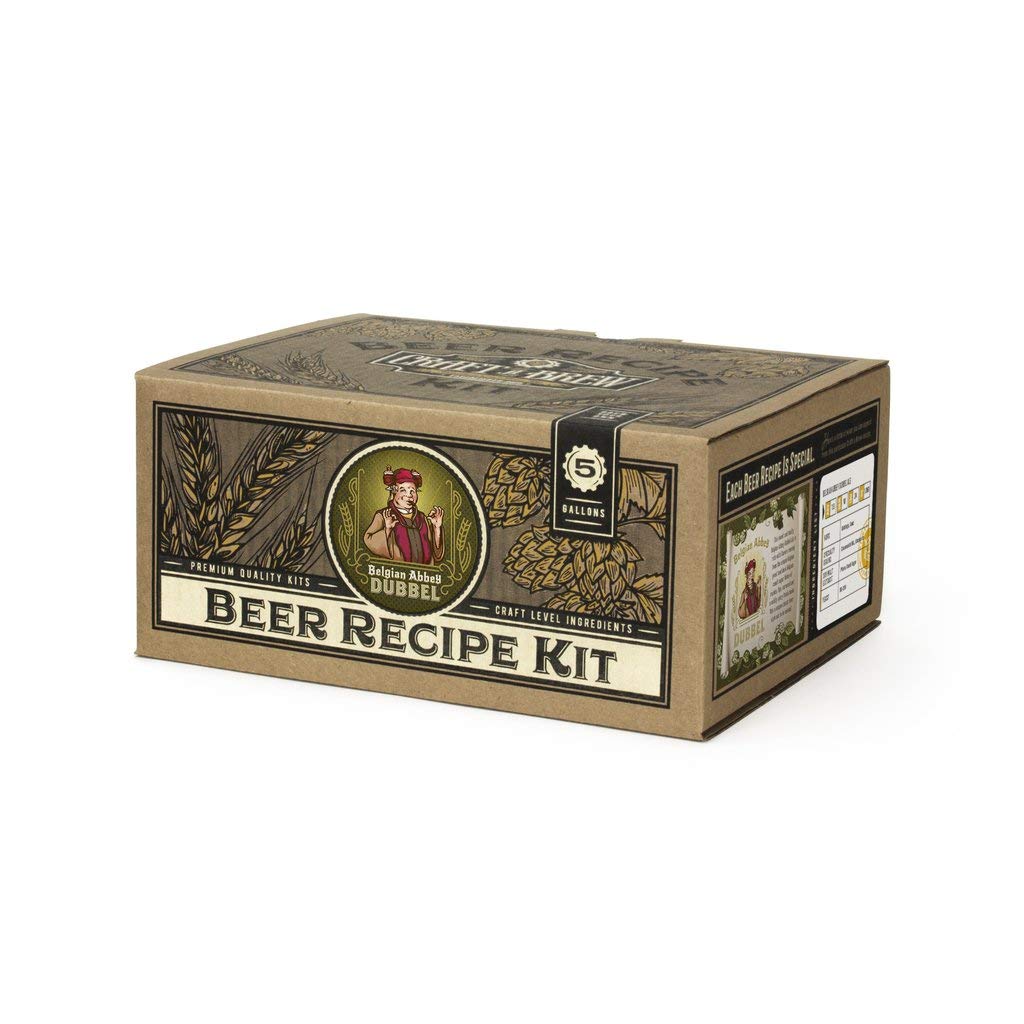
They usually come in styles like dubbel (dark, malty, dried-fruit notes), tripel (golden, spicy, deceptively strong), and quadrupel (rich, intense, dessert-like). Yeast plays a huge role here, giving aromas of clove, pepper, banana, and stone fruit rather than just hops.
If you want a classic example of a refined tripel, read more about this golden abbey beer with a surprisingly light touch ; it shows how complex yet drinkable these beers can be.
Saison and farmhouse ales : rustic, dry and food-friendly
Originally brewed on farms in Wallonia, saisons were once seasonal thirst-quenchers for field workers. Today, they are some of the most food-friendly Belgian beers.
Expect a dry finish, lively carbonation, and a mix of peppery spice, citrus, and earthy notes. Alcohol levels vary widely, but the best examples feel refreshing rather than heavy. These beers are a great bridge between traditional Belgian character and the more modern, yeast-driven profiles you will meet later in the article.
Lambic, gueuze and fruit beers : wild fermentation magic
Lambic-based beers are where Belgium gets truly unique. Instead of using cultivated yeast, brewers expose the wort to wild yeasts and bacteria in the air. The result is a tart, funky, complex beer that can age for years.
Gueuze blends young and old lambics for a sparkling, champagne-like beer. Fruit lambics (like kriek with cherries or framboise with raspberries) add layers of fruit character on top of the sour base. Understanding these styles will help you appreciate why Belgian beers can trigger such strong emotions when you finally taste them.
Iconic top belgian beers and the stories behind them
Trappist legends that shaped belgian beer culture
When people talk about the best Belgian beers, Trappist names come up first. Brewed by or under the supervision of monks, these beers are more than drinks ; they are living traditions in a glass.
Westvleteren 12 is often whispered about as one of the greatest beers in the world. This dark, rich quadrupel offers layers of dried fruit, caramel, and spice, with a warming finish. The monks keep production limited, which adds to its mystique, but what really matters is the depth of flavor created by their yeast and patient fermentation.
Rochefort 10 is another Trappist icon. Expect notes of fig, plum, brown sugar, and a gentle herbal bitterness. It shows how Belgian brewers use strong alcohol not as a blunt tool, but as a way to carry complex malt and yeast character, very different from many modern strong IPAs you might read about in guides like how strong is Elysian Space Dust IPA really.
Abbey and farmhouse classics with a story in every sip
Beyond the monasteries, historic abbey and farmhouse breweries have created their own legends.
Chimay Blue (Grande Réserve) is a benchmark dark strong ale. Its blend of dark fruit, chocolate, and subtle spice shows how Belgian yeast can turn a simple grain bill into something almost dessert-like, yet still balanced.
Orval stands apart with its dry, bitter, and slightly funky profile. A mix of dry-hopping and Brettanomyces yeast gives it a wild, evolving character over time. It is a perfect example of how Belgian brewers embrace yeast as a key flavor driver, not just a fermentation tool.
These beers are the reference points that make all the styles and tasting tips you explore feel real and memorable.
How belgian breweries balance tradition, yeast and modern tastes
Old-world methods in a stainless-steel age
Walk into many Belgian breweries and you will see a mix of polished stainless-steel tanks standing next to wooden foeders, open fermenters, or dusty bottle-conditioning rooms. This contrast is not accidental. Brewers keep traditional methods like long boils, step mashing, and bottle refermentation because they shape the complex flavors you tasted in the classic styles and iconic beers mentioned earlier.
At the same time, modern equipment gives them precise control over temperature, oxygen exposure, and hygiene. That balance lets them brew consistently while still allowing the beer to develop the rustic character that made Belgian brewing famous.
Yeast as the quiet master brewer
In Belgium, yeast is not just an ingredient ; it is a signature. Many breweries still guard house yeast strains that have evolved over decades. These yeasts create the spicy, fruity, sometimes funky notes that define abbey ales, saisons, and strong golden ales.
Modern labs now help brewers keep these strains healthy and stable. They can select the right pitch rate, fermentation temperature, and conditioning time to highlight clove, pepper, banana, stone fruit, or subtle phenolic notes, depending on the style. The result is a beer that feels traditional in flavor, but is far more consistent than it was in the past.
Adapting to new palates without losing soul
Belgian breweries also respond to changing tastes. Drinkers want lower-alcohol options, drier finishes, and sometimes more hop-forward profiles. Instead of copying foreign trends outright, many Belgian brewers tweak their recipes : lighter malt bills, slightly higher hopping, or blending traditional yeast with cleaner strains.
This way, they keep the emotional punch and layered character you expect from Belgian beer, while making it approachable for modern drinkers who may be starting their journey with more familiar styles.
Practical tips to taste and find the best belgian beers for you
Setting yourself up for a great tasting
Start by serving temperature ; most Belgian beers shine slightly cool, not ice cold. Aim for cellar-cool for strong ales and a bit colder for wheat beers and pils. Pour gently into a clean glass, leaving a little yeast sediment in the bottle unless you enjoy the extra haze and spice.
Use the right glassware when you can. A tulip or goblet helps concentrate aromas for strong ales and saisons, while a simple tumbler or flute suits lighter styles. Hold the glass by the stem or base to avoid warming the beer too fast.
A simple tasting method you can repeat
- Look : note colour, clarity, and foam. Belgian beers often have dense, lasting heads.
- Smell : swirl gently and breathe in ; pick out fruit, spice, malt, or funk from the yeast.
- Taste : take small sips, letting the beer coat your tongue. Notice sweetness, bitterness, acidity, and alcohol warmth.
- Finish : pay attention to what lingers – peppery spice, dried fruit, herbal hops, or a dry snap.
Finding the Belgian beers that fit your palate
Think back to the styles and stories you have learned. If you enjoy fruity, expressive yeast character, lean toward dubbels, tripels, and strong golden ales. If you prefer refreshing, zesty profiles, look for witbiers, saisons, and blondes.
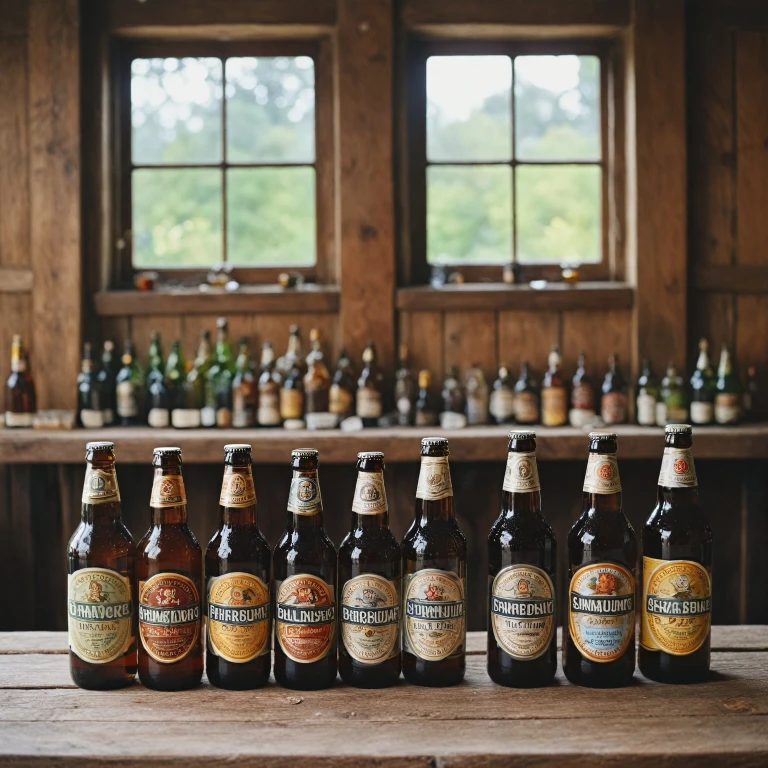
Use mixed packs from bottle shops to compare styles side by side. Keep brief notes on aroma, flavour, and how much you would like to drink a full glass. Over time, patterns emerge – maybe you love peppery saisons but find dark strong ales too rich.
Finally, talk with bartenders and specialty shop staff. Share what you liked or disliked, and they can guide you toward new Belgian bottles that match your evolving taste.