
Gulden draak beer and the van steenberge story
From local family brewery to global icon
Gulden draak is not just a strong dark Belgian ale ; it is the flagship of a small, independent family brewery with deep roots in Flanders. Brouwerij Van Steenberge, based in the village of Ertvelde, has been handed down through generations, each adding its own layer of expertise while keeping the brewery firmly family-owned. This continuity is one reason Gulden draak has such a distinctive identity in today’s crowded beer landscape.
The brewery’s story is closely tied to traditional Belgian brewing culture. Early on, Van Steenberge focused on classic regional styles brewed for local cafés and parish events. Over time, as export markets opened, the family saw an opportunity to create a beer that would stand out among strong ales from Ghent to Brussels and far beyond. Gulden draak became that statement beer, combining monastic inspiration with a bolder, more luxurious profile.
The name itself, “Golden Dragon”, pays tribute to the famous gilded dragon statue that watches over Ghent from the top of the belfry. Just as the dragon symbolizes protection and pride for the city, Gulden draak has become a symbol of Van Steenberge’s craftsmanship. It is brewed to be powerful yet refined, a beer meant for slow appreciation rather than quick refreshment.
Within the Belgian strong ale family, Gulden draak often appears alongside other celebrated names. If you are curious how it compares to another iconic strong ale, this in-depth look at why Delirium Tremens stands out among strong golden ales offers useful context for understanding where Gulden draak fits in terms of strength, flavor, and tradition.

What makes gulden draak beer so different in the glass
A deep amber pour with a creamy crown
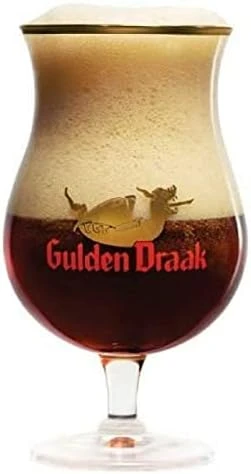
When you first pour Gulden Draak into a tulip or goblet, the color already hints that this is no ordinary Belgian strong ale. It sits somewhere between deep amber and dark ruby, with garnet flashes when held to the light. The beer is dense and almost opaque, yet it still shows a gentle glow that invites a slow, attentive tasting.
The head is one of its signatures. Expect a thick, off‑white to beige foam that rises quickly, then settles into a creamy cap with fine, persistent bubbles. This foam clings to the glass in heavy lacing, a sign of both high carbonation and rich malt content. The visual impression alone already sets Gulden Draak apart from paler Belgian tripels or golden strong ales.
Aromas that bridge malt richness and dark fruit
Bring the glass to your nose and you will notice layers rather than a single dominant note. There is a strong malt backbone with caramel, toffee, and lightly toasted bread. On top of that, classic Belgian yeast character adds clove, subtle pepper, and a hint of banana esters.
What really marks Gulden Draak, though, is the dark fruit profile : raisins, figs, prunes, and a touch of cherry. These aromas echo some Belgian dubbels and even certain dark wines, giving the beer a luxurious, almost dessert‑like nose. If you enjoy complex wheat beers such as those described in this guide to layered citrus and spice flavors, you will appreciate how Gulden Draak builds its own multi‑dimensional bouquet.
Underlying all this is a gentle warmth from the alcohol, never harsh but clearly present. It prepares you for the rich, full‑bodied sip that will be explored further when looking at fermentation choices and aging potential.
Fermentation, wine yeast and why gulden draak ages like a wine
The quiet magic of a triple fermentation
Gulden draak owes much of its character to an unusual triple fermentation process. First, a primary fermentation converts malt sugars into alcohol, building the beer’s rich body and warming strength. A second fermentation in tanks refines those flavors, smoothing out rough edges and layering in subtle dark fruit notes.
The real twist comes with the third fermentation in the bottle, where a wine yeast is used instead of a typical bottling strain. This choice is rare in brewing and it is a key reason gulden draak behaves more like a fine red wine over time than a standard strong ale.
How wine yeast shapes flavor and aging
Wine yeast works more slowly and delicately, encouraging the development of complex esters and oxidative notes as the beer matures. Over months and years, fresh caramel and toffee tones evolve into deeper flavors reminiscent of port, sherry, dried figs, and prunes.
Because of this, a young bottle will feel livelier and more robust, while an older one becomes softer, rounder, and more contemplative. This is why many enthusiasts buy multiple bottles and open them at different stages, much like vertical tastings of vintage wines.
If you are used to hop-forward beers that peak quickly and fade fast, this slow evolution can be surprising. It is almost the opposite of what happens in modern hoppy beer styles, where freshness is everything and aging often dulls the experience.
Cellaring gulden draak at home
To let this wine-like aging shine, store bottles upright in a cool, dark place with stable temperatures. Over time, you will notice the foam become creamier, the alcohol better integrated, and the aroma shifting from roasted malt and spice toward dried fruit, cocoa, and gentle oxidation.
How to serve, taste and pair gulden draak like a pro
Getting the serving ritual right
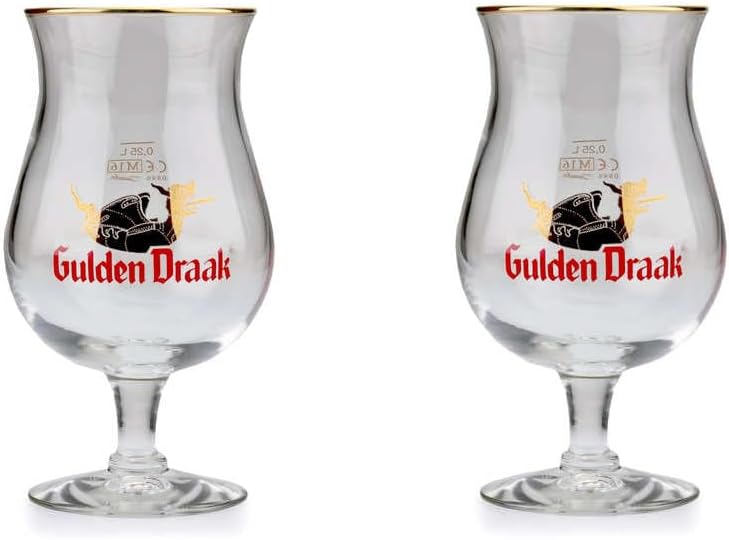
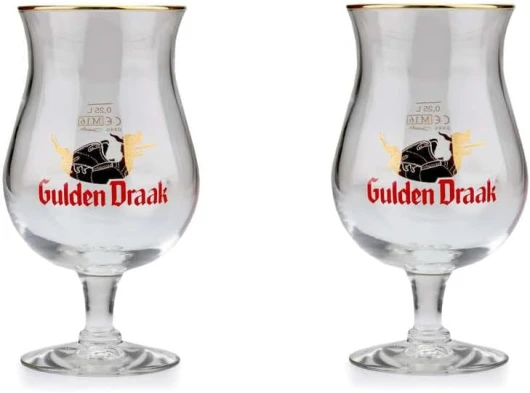
Gulden draak is a strong, complex dark ale, so serving it correctly makes a big difference. Aim for a temperature between 8 and 12 °C ; too cold and the rich malt and dark fruit notes stay muted, too warm and the alcohol dominates. Use a tulip or goblet glass with a stem. The wide bowl lets the aromas open up, while the stem keeps your hand from warming the beer too quickly.
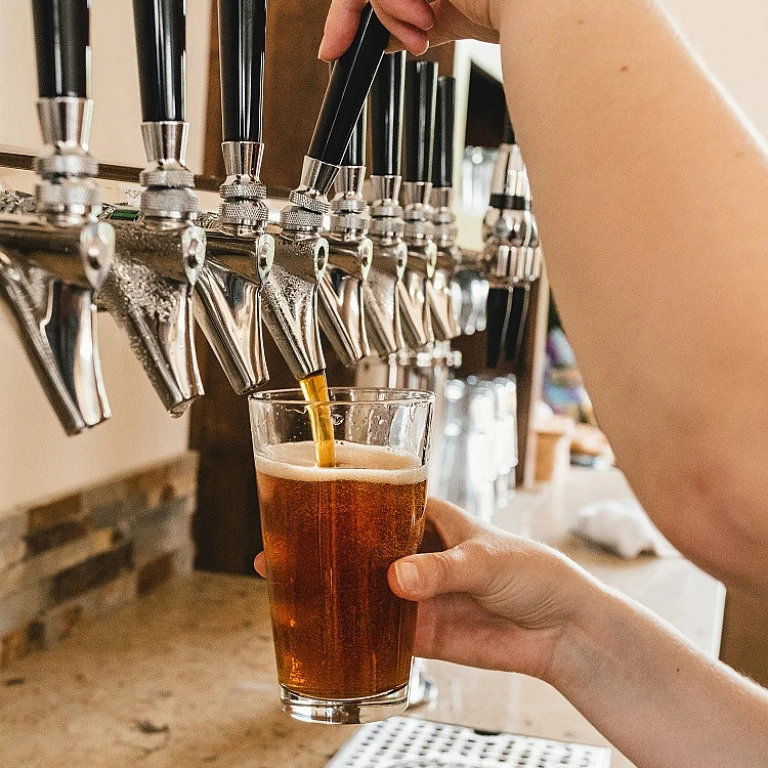
Pour slowly into the center of the glass, then tilt slightly toward the end to build a dense, creamy head of about two fingers. This helps release aromas and protects the beer from oxidation while you sip.
Tasting gulden draak step by step
Start by taking in the appearance ; you should see a deep mahogany color with ruby highlights and a persistent beige foam. Swirl gently, then inhale. Look for layers of dark caramel, toasted malt, dried figs, raisins, and a hint of spice from the yeast.
On the first sip, let the beer coat your palate. Notice the full body, the balance between malty sweetness and firm bitterness, and the warming yet smooth alcohol. As you continue, you may pick up notes of chocolate, toffee, and a subtle vinous character that links back to its special fermentation.
Food pairings that really shine
Because gulden draak is intense and layered, it pairs best with dishes that can stand up to its richness :
- Hearty stews and braised meats (beef carbonnade, lamb shanks)
- Strong cheeses like aged gouda, blue cheese, or washed-rind cheeses
- Roasted game, duck, or pork with caramelized crusts
- Chocolate desserts, especially dark chocolate tarts or flourless cakes
For a simple pairing at home, try it with a well aged hard cheese and dark chocolate squares. Sip slowly, and notice how each bite and sip reveals new layers in the beer.
Buying, ordering and comparing gulden draak with other Belgian beers
Where to find gulden draak and what to look for
Gulden draak is widely exported, but availability still depends on where you live. In many countries, you will find it in well stocked bottle shops, Belgian beer cafés, and online retailers that specialise in imports. When possible, choose shops with good turnover and proper storage ; this beer deserves cool, dark shelves, not a sun baked window.
On the label, pay attention to the bottling date. Gulden draak ages beautifully thanks to its secondary fermentation, but there is a difference between a fresh bottle and one that has quietly matured. For a brighter, more estery profile, pick something relatively recent. For deeper caramel, sherry like notes, look for a bottle that has had a couple of years to rest.
Reading the price tag and formats
You will usually see Gulden draak in 330 ml bottles, larger 750 ml corked bottles, and occasionally on draft. The smaller bottles are ideal for tasting sessions or pairing with food, while the larger format works well for sharing at the table, much like a strong wine. Prices are often higher than standard lagers, but you are paying for a complex, high gravity ale that can be sipped slowly.
Comparing gulden draak with other belgian classics
When you compare Gulden draak with other Belgian beers, think in terms of style, strength, and purpose. A crisp pils or a light blond is made for easy refreshment ; Gulden draak is built for contemplation. Against a typical tripel, it feels darker, richer, and more dessert friendly. Next to a dry, effervescent strong golden ale, Gulden draak comes across as rounder and more malt forward, with that signature wine like aging potential you have already seen in its fermentation story.