

How st bernardus beer became a belgian legend
From monastic roots to global fame
St. Bernardus may not brew within monastery walls, yet its story is deeply tied to the Trappist tradition that shaped Belgian beer. In the early days, the brewery produced ales under license from a nearby abbey, learning the art of strong, dark, contemplative beers that were meant as much for nourishment as for pleasure. When that agreement ended, the brewery kept the know-how, the yeast, and the spirit of those monastic recipes, gradually building its own identity.
What makes St. Bernardus a legend is this blend of authenticity and independence. It is not officially Trappist, but it shares the same DNA as the great abbey breweries. Over time, its flagship strong dark ale, later known as Abt 12, became a benchmark for Belgian quadrupel-style beers, praised by enthusiasts and judges alike.
A belgian classic in a land of classics
Belgium is crowded with iconic names, from rustic farmhouse saisons to crisp pale lagers. Understanding why St. Bernardus stands out means placing it alongside other classics, such as the well known Belgian heritage lager that helped shape the country’s brewing reputation worldwide. Where those beers offer light refreshment, St. Bernardus leans into depth, warmth, and complexity.
This contrast is part of its charm. St. Bernardus beers show how Belgian brewing can be both approachable and profoundly rich, a theme that continues when you look closer at why Abt 12 is often hailed as the ideal dark Belgian ale, how to taste these beers properly, and how they fit into today’s evolving craft beer market.

Why bernardus abt 12 is often called the perfect brown belgian beer
What makes this dark abbey ale stand out
St. Bernardus Abt 12 is often held up as the benchmark for Belgian dark strong ales, and it is easy to see why once you pour a glass. The deep mahogany color, topped with a dense, beige foam, already hints at the complexity to come. On the nose, you get layers of dark fruit, caramel, brown sugar, and a subtle spicy yeast character that links it to the broader Belgian brewing tradition you read about earlier.
On the palate, Abt 12 balances richness and drinkability with impressive precision. Flavors of fig, raisin, date, and plum mingle with toffee, molasses, and a gentle chocolate note. The Belgian yeast adds clove and pepper accents, while a firm but smooth carbonation keeps the beer from feeling heavy or cloying. This harmony of malt sweetness, fruity esters, and warming alcohol is what leads many enthusiasts to call it the “perfect” brown Belgian beer.
Compared with lighter Belgian classics such as Stella Artois and other pale lagers, Abt 12 shows how far Belgian brewing can push flavor while staying balanced and refined. It is a contemplative beer, ideal for slow sipping, which ties naturally into the tasting techniques and serving rituals you will explore later.
Because of its structure and depth, Abt 12 also shines in food pairings and cellaring. The malt complexity and dark fruit character make it a natural partner for robust dishes and a strong candidate for aging, themes that connect directly with how you might build a tasting session or a home cellar around St. Bernardus beers.
How to taste st bernardus beer like a pro
Setting the stage before your first sip
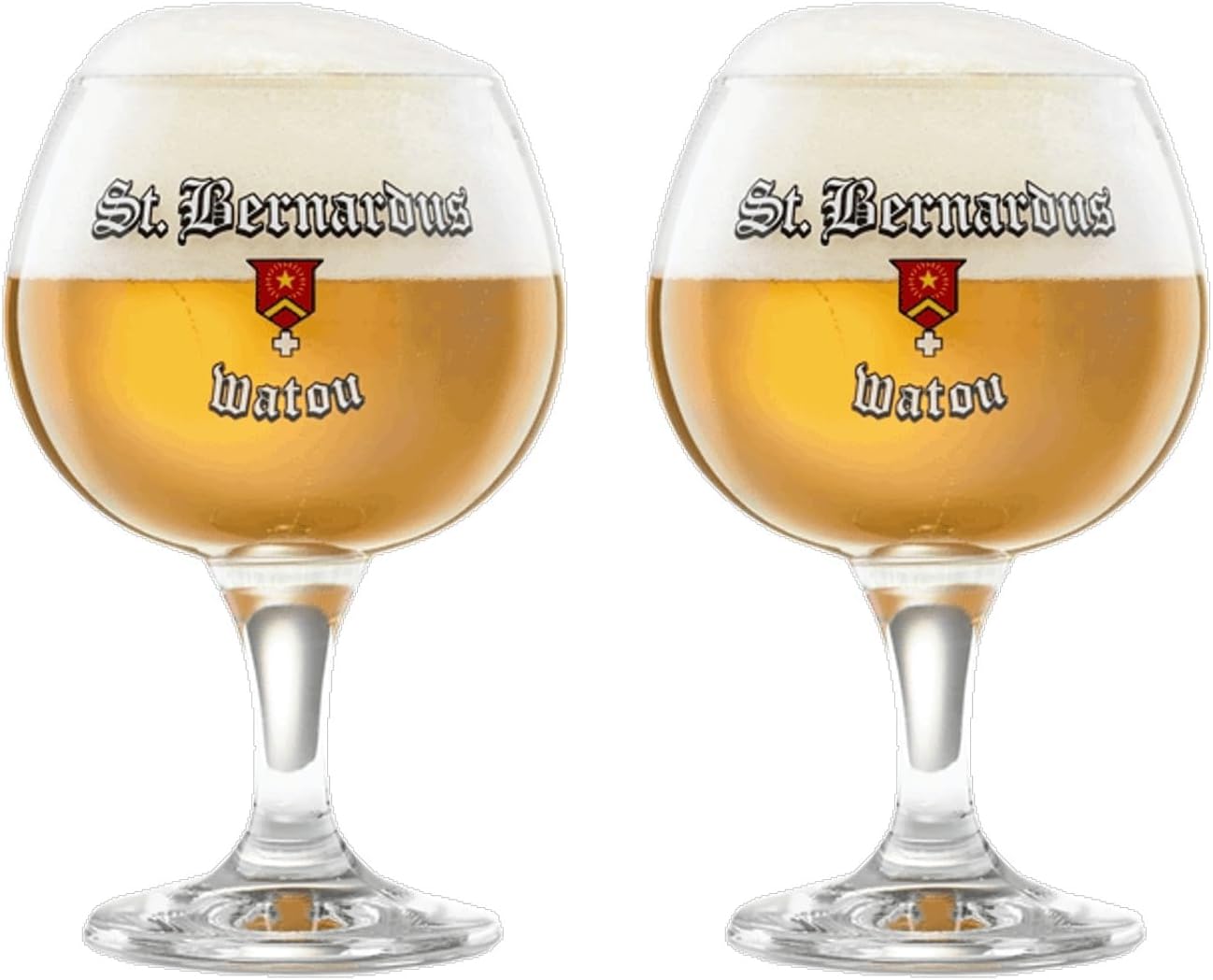
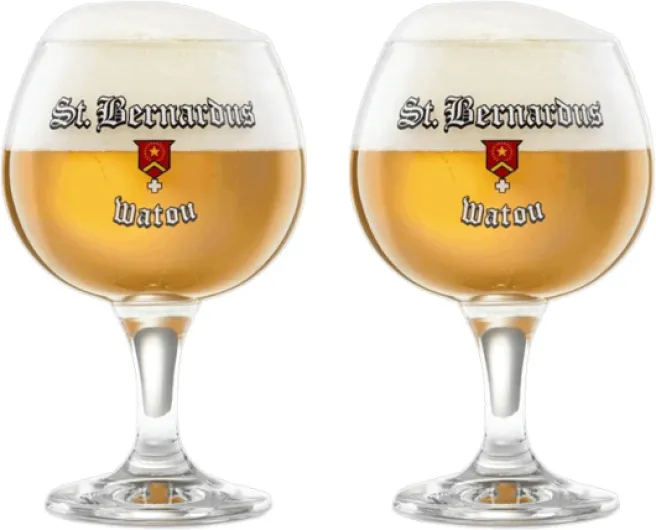
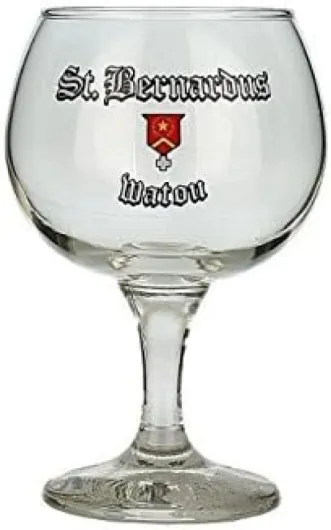
To taste St. Bernardus like a pro, start with the right glass. A wide chalice or goblet lets the rich aromas open up. Rinse it with cold water, then pour slowly down the side, straightening the glass at the end to build a creamy head of two to three fingers.
Serve it cool but not fridge-cold ; around cellar temperature works best. Too cold, and you mute the dark fruit and spice notes that make this beer so special in the Belgian landscape.
Reading the colour, foam and aroma
Hold the glass to the light. Notice the deep brown colour with ruby highlights and the dense, lingering foam. This tells you a lot about the malt richness and careful brewing you have already met in the story of the brewery.
Before tasting, swirl gently and take a few short sniffs. Look for layers of dried fig, raisin, caramel, clove and a hint of warming alcohol. Some tasters also pick up subtle chocolate or nutty notes, similar to what you might find in other complex dark styles such as those described in this guide to oyster stout beer.
Step-by-step tasting technique
Take a small sip and let it coat your tongue. Notice the initial sweetness, then the spicy yeast character and gentle bitterness. Pay attention to the mouthfeel ; it should feel full, smooth and almost silky, with a warming finish.
On the second and third sips, focus on balance. How do the dark malts, fruity esters and alcohol warmth interact ? A professional approach is simply structured curiosity : observe, compare with other Belgian ales you know, and let each glass teach you a bit more about what makes St. Bernardus unique.
Food pairings and serving tips that make bernardus abt shine
Pairing bernardus abt 12 with savory dishes
St. Bernardus Abt 12 is rich, malty and complex, which makes it a natural partner for hearty, savory food. Its dark fruit notes (fig, raisin, plum) and gentle sweetness pair beautifully with slow-cooked meats. Think beef stew, braised short ribs, lamb shanks or a classic Belgian carbonnade. The beer’s carbonation and subtle bitterness cut through fat, keeping each bite from feeling too heavy.
Cheese is another winning match. Go for aged gouda, nutty comté or a well-matured cheddar. Blue cheeses can work too, as the beer’s sweetness softens their sharp edges. Serve the cheese at room temperature so its aromas can stand up to the beer’s intensity.
Sweet endings : desserts that elevate the beer
Abt 12 shines with desserts that echo its flavors. Dark chocolate fondant, flourless chocolate cake or a dense brownie highlight the beer’s cocoa and roasted malt notes. Desserts with caramel or toffee – bread pudding, crème brûlée, sticky toffee pudding – mirror its caramelized sugars and create a luxurious pairing.
Fruit-based desserts also work well. Try a fig tart, poached pears or a plum crumble. The beer’s dark fruit character links naturally with these flavors, while its effervescence keeps the pairing from becoming cloying.
Serving temperature, glassware and pouring tips
To get the most from Abt 12 at the table, serve it slightly cool, not fridge-cold. Aim for cellar temperature ; too cold and the complex aromas from the yeast and dark malts will stay hidden.
Use a wide chalice or goblet. The open shape lets the beer breathe and concentrates the aroma, just as you learned when exploring its tasting profile. Pour gently down the side of the glass, then straighten near the end to build a modest, creamy head that releases the beer’s rich bouquet without overflowing.
Price, cellaring and how st bernardus beer fits in a modern beer market
What you can expect to pay for st. bernardus
For a beer with such a legendary reputation, St. Bernardus remains surprisingly accessible. In most markets, a single 33 cl bottle of Abt 12 sits in the mid-premium range, often comparable to other classic Belgian ales. Larger 75 cl bottles cost more, but they are still reasonable when you consider they can easily be shared at the table like a bottle of wine.
Special editions, magnums, and vintage releases naturally command higher prices. These are aimed at enthusiasts who appreciate the beer’s aging potential and are willing to pay a bit extra for rarity and presentation.
Cellaring st. bernardus for future enjoyment
Abt 12 is built for the cellar. Its rich malt profile, high gravity, and Belgian yeast character allow it to evolve gracefully over several years. Store bottles upright, in the dark, at a stable cool temperature. Over time, you will notice :
- Less sharp alcohol warmth
- Deeper dried-fruit and caramel notes
- Smoother, rounder mouthfeel
It is worth buying multiple bottles and opening one each year to follow the progression. This approach turns a relatively modest investment into a long-term tasting project.
Where st. bernardus fits in today’s beer landscape
In a market dominated by hazy IPAs, pastry stouts, and fruited sours, St. Bernardus plays a different role. It is a benchmark of Belgian tradition, much like the beers you might have read about in earlier sections of this article. Instead of chasing trends, it offers consistency, depth, and authenticity.
For modern drinkers, that makes St. Bernardus both a gateway into classic Belgian styles and a reliable “reset” beer when palates are tired of hop-saturated or heavily adjuncted releases. It bridges the gap between old-world brewing heritage and today’s adventurous beer culture.