

Story of delirium christmas and the brewery behind the pink elephant
How a pink elephant became a christmas icon
Delirium Christmas comes from Brouwerij Huyghe, a family brewery in Melle, near Ghent in Belgium. Brewing there dates back to the early 20th century, but it was the launch of Delirium Tremens, with its unmistakable pink elephant mascot, that pushed the brewery onto the global stage. That same playful symbol now marches straight into the festive season with this strong, spiced holiday ale.
Huyghe’s approach has always mixed tradition with a willingness to experiment. In a country famous for Trappist ales, dubbels, tripels, and bold strong ales, the brewery carved out its own identity by leaning into characterful yeast profiles, generous carbonation, and expressive malt bills. Delirium Christmas follows that path, offering a rich, warming beer built for long winter evenings and generous holiday tables.
A belgian brewery with global ambitions
As Belgian beer culture spread worldwide, Huyghe embraced export markets and collaborations. The brewery’s focus on distinctive branding, collectible glassware, and limited seasonal releases helped Delirium Christmas become a sought-after bottle in many countries. It now sits alongside other modern, flavor-forward breweries that push boundaries while staying rooted in European tradition. If you enjoy reading about bold, transatlantic brewing projects, you might also like this piece on Warpigs and its American-Danish brewing style.
Understanding this background helps explain why Delirium Christmas tastes the way it does, how it pairs with rich festive dishes, and why its price and label details matter to collectors and casual drinkers alike. The beer is not just a seasonal novelty ; it is part of a broader story of Belgian brewing know-how meeting modern drinker expectations.

How delirium christmas pours, smells and tastes
First impressions in the glass
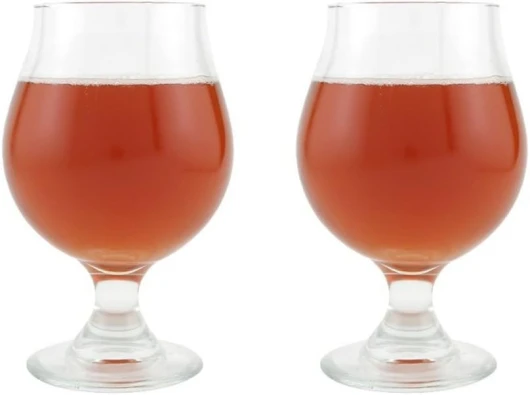
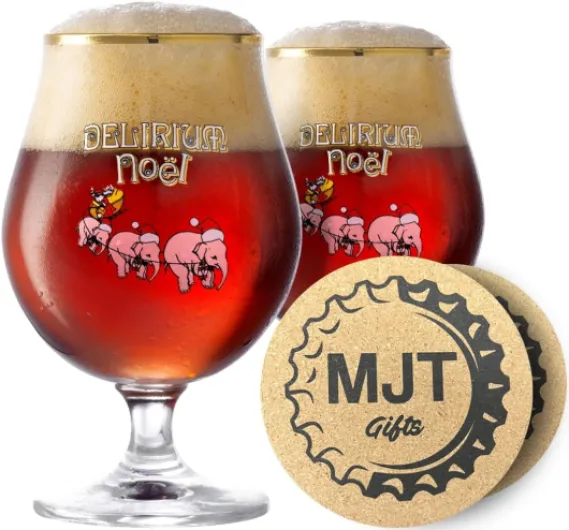
Pour Delirium Christmas gently into a tulip glass and you will see a deep ruby to mahogany hue, with garnet flashes when held to the light. The beer forms a generous, off‑white to beige head that is dense and creamy, slowly receding to a fine lace on the glass. This rich colour already hints at the malt complexity and festive character that set it apart from paler Belgian ales.
Aroma : a festive bouquet
Bring the glass to your nose and you are greeted by a layered, warming bouquet. Expect notes of caramelised malt, dark sugar, and a touch of toasted bread, wrapped in classic Belgian yeast aromas of clove, light pepper, and ripe stone fruit. Many drinkers also pick up hints of dried fig, raisin, and a subtle marzipan sweetness. Underneath, a gentle herbal and spicy hop character keeps the nose from becoming cloying. This balance between malt richness, yeast spice, and hop lift is a hallmark of strong Belgian holiday ales, and it is one reason Delirium Christmas appeals to fans of both traditional abbey styles and more modern, bolder beers, such as those from innovative craft breweries.
Flavour and mouthfeel on the palate
The first sip is full‑bodied and warming, yet surprisingly lively thanks to fine, prickly carbonation. Flavours of toffee, brown sugar, and lightly roasted malt lead the way, followed by dried fruit, orange peel, and a touch of baking spice. The Belgian yeast contributes gentle phenolic spice and fruity esters, while the hop bitterness is firm enough to dry the finish without overshadowing the malt. Alcohol warmth is present but well integrated, adding a cosy, fireside feel. The finish is long, slightly sweet at first, then drying, inviting another sip and making this beer a natural fit for rich dishes and festive desserts later on.
Food pairings and serving tips for a great christmas table
Serving temperature and glassware for festive flair
Delirium christmas shines when served slightly chilled, around 8–10°C (46–50°F). Too cold and you mute those rich spices and malt notes ; too warm and the alcohol heat can dominate. Take the bottle out of the fridge 10–15 minutes before pouring.
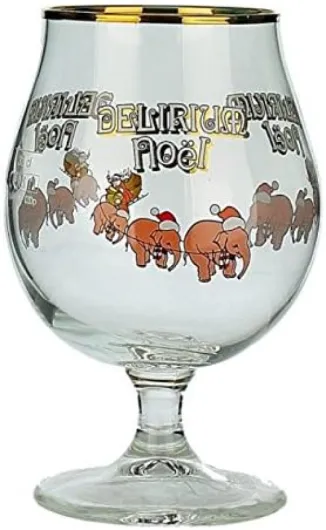
Use a tulip or chalice glass to capture the generous foam and concentrate the aromas. Tilt the glass and pour slowly, straightening at the end to build a creamy head. Leave the last centimetre in the bottle if you prefer a clearer pour, or swirl and add it for extra yeast character.
Perfect pairings for your christmas table
The bold, warming profile of delirium christmas makes it a natural match for hearty holiday dishes :
- Roast meats – Turkey, goose, duck, or glazed ham pair beautifully with the beer’s caramel malt and subtle sweetness.
- Cheese boards – Try aged gouda, blue cheese, or washed-rind cheeses ; the beer’s spice and fruit notes cut through richness.
- Game dishes – Venison, wild boar, or rabbit stews echo the beer’s earthy, spicy depth.
- Desserts – Gingerbread, christmas pudding, speculoos, or dark chocolate truffles highlight its festive spice profile.
If you enjoy contrasting pairings, serve it alongside lightly spiced dishes or even a citrusy salad to refresh the palate between sips.
Pairing delirium christmas with other beers
For a full festive tasting, you can build a small flight around delirium christmas. Start with a lighter Belgian ale, move to this strong dark ale, then finish with a hop-forward option from a list of top IPAs to cleanse the palate. This progression lets you appreciate how the pink elephant’s seasonal expression stands out on your holiday table while still fitting into a broader beer experience.
Price, unit price and buying tips for delirium christmas
What you can expect to pay for delirium christmas
Delirium Christmas usually sits in the premium range for Belgian strong ales, but it remains accessible for most festive budgets. In many markets, you will find it in 33 cl bottles, 75 cl sharing bottles, and sometimes in gift packs with branded glassware. The larger bottles often offer a slightly better unit price, especially when bought by the case.
As a rough guide, expect a higher shelf price than a standard lager or basic Belgian ale, but still below rare barrel-aged specialties. The pink elephant branding and seasonal status add a small premium, yet you are paying mainly for the strong, complex beer you read about in the tasting section.
Understanding unit price and formats
When comparing offers, always calculate the price per liter. A single 33 cl bottle may look cheap, but multi-packs or 75 cl bottles often reduce the unit cost. Online shops usually display the price per liter ; if not, divide the bottle price by its volume in liters to compare fairly with other Christmas ales or strong Belgian beers.
Gift packs with a glass cost more per liter, but the branded tulip glass is designed to showcase the aroma and generous head, so the added value is not just cosmetic.
Smart buying tips for the festive season
Because Delirium Christmas is seasonal, availability can tighten as the holidays approach. If you plan to serve it at a Christmas table, buy a little earlier in the season and store the bottles upright in a cool, dark place. Check best-before dates ; strong Belgian ales age reasonably well, but fresher bottles keep the spice and hop character brighter.
Compare local bottle shops with reputable online retailers, and watch for mixed Christmas packs that let you sample other winter ales alongside Delirium Christmas at a better overall price.
How drinkers review delirium christmas and what to watch for on labels
What fans love about this festive strong ale
Regular drinkers of delirium christmas tend to praise its balance between rich malt sweetness and warming alcohol. Many highlight the deep ruby colour and dense, creamy head you read about earlier, noting that it already feels celebratory in the glass. Reviews often mention layers of dark fruit, caramel, and gentle spice, with a finish that stays just dry enough to invite another sip.
On rating platforms, this beer usually scores highly among fans of Belgian strong ales and winter seasonals. People who enjoy complex, dessert-like beers often rank it as a holiday favourite, especially when served alongside the hearty dishes and cheeses suggested with the food pairings.
Common criticisms and who might not enjoy it
Not every palate is on board. Some drinkers find the alcohol presence a bit hot if the beer is served too warm or too young. Others feel the sweetness is too pronounced, especially if they are used to drier Belgian styles or lighter lagers. A few reviews mention that the spice character can vary slightly from bottle to bottle, which is not unusual for strong, seasonal ales.
Reading the label and packaging like a pro
When you pick up a bottle or keg of delirium christmas, pay attention to a few key details :
- ABV : this is a strong beer, so note the alcohol level and plan your servings accordingly.
- Best-before date : while it can handle some ageing, most reviewers prefer it within a couple of years for peak freshness and lively spice.
- Storage notes : look for guidance on keeping it cool and away from light, which helps preserve those rich aromas described in the tasting section.
Taking a moment to read the label will help you match your expectations to what is in the glass and enjoy this festive ale at its best.