


Tripel karmeliet, a belgian tripel with a story in the glass
A classic belgian tripel with character
Tripel karmeliet is one of those beers that immediately stands out in a crowded Belgian bar. Golden, effervescent, and crowned with a dense white head, it looks refined before you even take a sip. Yet what makes it truly special is how it combines elegance with a bold, expressive personality in the glass.
At its core, this is a traditional Belgian tripel, but it does not feel generic or interchangeable. The beer has a distinct identity shaped by its historic recipe, its careful fermentation profile, and the way it balances strength with drinkability. You get the impression of a beer crafted with patience and intention, not just another strong blond ale chasing high alcohol content.
Tripel karmeliet also sits at an interesting crossroads between heritage and modern taste. It respects centuries-old brewing traditions while still feeling approachable for today’s drinkers who might be more familiar with styles like American-style wheat ales or hop-forward IPAs. This makes it a great gateway beer for anyone curious about the depth and complexity of Belgian brewing.
As you explore its story in the glass, you will notice how each element plays a role ; the grains, the yeast character, the fruity and spicy notes, and the smooth yet lively mouthfeel. Later, when you look more closely at its unique grain bill, its sensory profile, and how it compares with other tripels, you will see how all these aspects connect. For now, it is enough to say that tripel karmeliet is a benchmark beer that rewards attention, whether you are a seasoned enthusiast or just starting your journey into Belgian ales.
The historic three grain recipe of tripel karmeliet
From farm grains to abbey-inspired recipe
Tripel karmeliet stands out thanks to its historic three grain base ; barley, wheat, and oats. This is not a marketing gimmick, but a nod to traditional farmhouse and monastic brewing, where using several cereals helped shape both flavor and texture. Each grain brings its own personality to the glass, and understanding this mix will help you appreciate the beer more fully when you taste it later on.
Barley is the backbone. It provides the fermentable sugars that the yeast will turn into alcohol, and it gives the beer its golden color and firm structure. Without barley, tripel karmeliet would lack its classic Belgian tripel strength and clean malt profile.
Wheat adds a gentle, bready sweetness and a touch of tartness. It also helps build that dense, creamy head you will notice when you pour the beer into a tulip glass. Wheat proteins keep the foam stable and contribute to the slightly silky feel that sets this tripel apart from drier, sharper examples you might compare it with later.
Oats are the quiet contributor. They do not shout in the aroma, but they round out the mouthfeel, bringing softness and a subtle nutty edge. This is one reason tripel karmeliet feels so smooth despite its elevated strength and lively carbonation.
This three grain approach has inspired many modern brewers experimenting with texture and balance. If you enjoy exploring how different grains shape flavor, you might also like reading about another nuanced beer style in this article on exploring the flavors of krush beer. Later, when we focus on aroma, taste, and mouthfeel, you will see how this historic recipe translates into the complex profile in your glass.
Aromas, flavor and mouthfeel : how tripel karmeliet tastes in real life
First impressions on the nose
Pour Tripel Karmeliet into a tulip glass and the aroma rises immediately ; a layered bouquet that reflects its three-grain heritage. You get a bright, bready malt note, reminiscent of freshly baked farmhouse bread, wrapped in soft vanilla and honey accents. Classic Belgian yeast esters bring ripe banana, pear, and a hint of apricot, while subtle clove and white pepper add a spicy lift. A gentle floral touch from the hops keeps everything feeling lively rather than heavy.
Flavor profile in the glass
The first sip confirms what the aroma promised. Sweetness leads, but never dominates ; think light caramel, biscuit, and a touch of marzipan. The fruity esters unfold as layers of pear, citrus zest, and a whisper of stone fruit. Spicy phenols from the yeast give structure, with clove, pepper, and a faint herbal edge. Bitterness is firm yet elegant, far from the sharp snap you might find in a classic pilsner like Stella Artois style lagers ; here it simply balances the malt and keeps the finish dry.
Mouthfeel, balance and aftertaste
Tripel Karmeliet feels surprisingly light for its strength. The high carbonation creates a lively, champagne-like effervescence that lifts the sweetness off the palate. The oats in the grist lend a creamy, almost silky texture, while the wheat adds a crisp edge, echoing what you will read about its historic recipe and brewing process. The finish is long and drying, with lingering notes of spice, citrus peel, and a gentle warmth from the alcohol. This balance of airy carbonation, smooth body, and complex aftertaste is what makes Tripel Karmeliet such a benchmark when you later compare it with other tripels in structured tastings.
Price, rating and how tripel karmeliet fits in the belgian beer scene
What you can expect to pay for tripel karmeliet
Tripel karmeliet sits in the premium range of Belgian ales, but it remains accessible for most beer lovers. In many markets, a single 33 cl bottle is priced slightly above standard Belgian blondes or dubbels, yet still below rare abbey or limited-edition releases. Larger 75 cl bottles usually offer better value per centiliter and are ideal for sharing during tastings.
Part of what you pay for is the meticulous three-grain recipe and traditional brewing approach described earlier. The careful balance of barley, wheat, and oats, along with bottle conditioning, adds production time and complexity, which naturally influences the final price on the shelf.
How beer fans rate tripel karmeliet
Among Belgian tripels, tripel karmeliet consistently earns strong ratings from both casual drinkers and seasoned enthusiasts. Many tasters praise its layered aroma and refined mouthfeel, often highlighting how it manages to be rich yet elegant rather than heavy. In blind tastings, it frequently stands out for its balance ; the sweetness, spice, and gentle bitterness work together instead of competing.
Online reviews often place it near the top of the style, especially for those who enjoy expressive esters and a creamy texture without excessive alcohol burn. While some purists prefer drier, more austere tripels, tripel karmeliet’s rounded profile gives it broad appeal.
Its place in the belgian beer landscape
Within the Belgian beer scene, tripel karmeliet is widely regarded as a modern classic. It bridges the gap between traditional abbey tripels and more contemporary interpretations, making it a reference point when comparing other strong golden ales. For many drinkers, it serves as a benchmark ; if a new tripel can hold its own next to tripel karmeliet, it is usually considered a success.
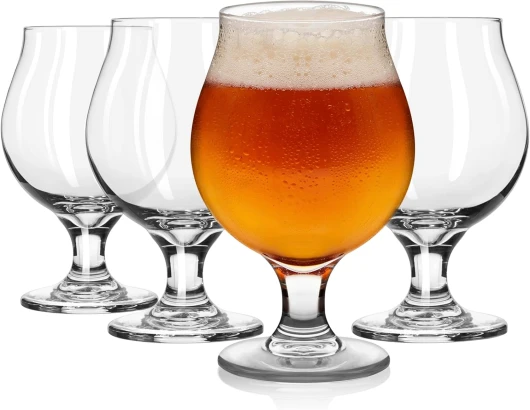
- + Dishwasher safe
- + Classic design
- + Perfect for Belgian ale
- + Set of 4

How to taste tripel karmeliet and compare it with other tripel beers
Serving tripel karmeliet for the best experience
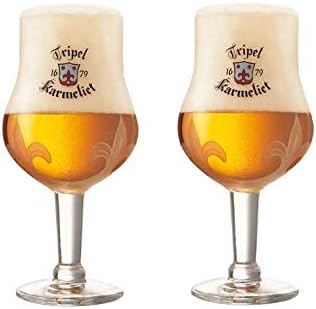
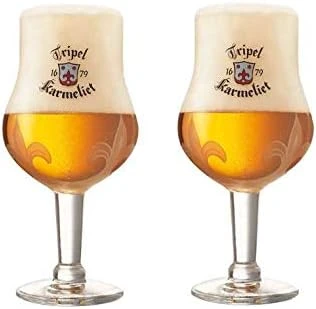
Start with the right glassware ; a tulip or goblet is ideal. Its curved shape captures the aromatic complexity you have read about earlier, while the flared rim directs those fruity and spicy notes toward your nose. Serve it cool but not fridge-cold, around 8–10 °C (46–50 °F), so the malt sweetness and herbal hop character can fully open up.
Pour slowly into the center of the glass, then tilt slightly as the foam rises. Aim for a generous, creamy head of two to three fingers. This not only looks inviting but also protects the beer from rapid oxidation and helps release the delicate esters from the three-grain recipe.
A simple tasting routine at home
- Look ; observe the golden color, clarity, and lively carbonation.
- Swirl ; gently rotate the glass to release aromas.
- Smell ; take short sniffs, noting citrus, banana, clove, and soft vanilla tones.
- Taste ; take a small sip, let it coat your tongue, and notice how sweetness, spice, and gentle bitterness evolve.
- Reflect ; think about how the body and finish match the price and reputation you have seen earlier.
Comparing tripel karmeliet with other tripels
To understand where tripel karmeliet sits in the belgian landscape, taste it alongside a classic abbey or trappist tripel. Compare color, foam stability, and aroma intensity. Many traditional tripels lean more heavily on yeast-driven spice and firm bitterness ; tripel karmeliet often feels softer, with a silkier mouthfeel and a more layered grain profile.
Pay attention to how the sweetness and alcohol warmth are balanced. Some tripels can feel hot or overly sugary. Tripel karmeliet tends to hide its strength behind a refined dryness, which can make it seem lighter than it really is. This contrast is where its character truly shines when you line it up next to other well-known tripels.