

What makes delirium red beer such a striking belgian fruit ale
A bold cherry twist on Belgian brewing tradition
Delirium Red stands out immediately among Belgian fruit ales. Brewed by the Huyghe Brewery, it takes the country’s long-standing love of strong ales and layers on an intense cherry character, creating a beer that feels both familiar and daring. Where many fruit beers lean light and spritzy, this one is rich, full-bodied and unapologetically indulgent.
At its core, Delirium Red is built on a strong Belgian ale base, sharing some family traits with its famous sibling, Delirium Tremens Belgian ale. You still get that classic Belgian yeast profile – subtle spice, a touch of warmth, and a rounded malt backbone – but here it is wrapped in layers of sweet-and-tart cherry and berry notes. The result is a beer that drinks like a hybrid between a dessert treat and a serious sipping ale.
Why the pink elephant and deep red color matter
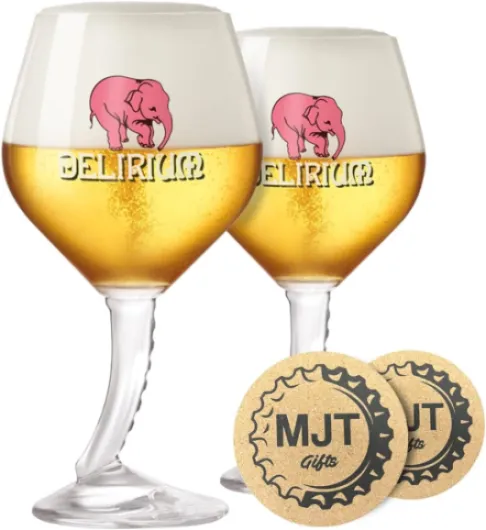
The iconic pink elephant branding signals that you are in for something playful, yet the beer itself is carefully constructed. The deep ruby hue in the glass hints at concentrated fruit, while the creamy, pale head reminds you that this is still very much a traditional ale at heart. That visual contrast – pale foam over dark red beer – is part of what makes it so striking on the table or bar.
This balance between intensity and drinkability is what many enthusiasts appreciate. It feels special enough for gifting or celebrations, yet approachable for drinkers who might usually shy away from stronger Belgian styles. Later, when looking at tasting notes, food pairings and modern drinking habits, this dual personality becomes even more interesting.

How delirium red beer compares to older belgian fruit ales
A modern twist on the Belgian fruit ale tradition
Belgian fruit ales have a long history of using cherries, raspberries, and other fruits to soften tartness and add complexity. Many classic examples lean heavily on wild fermentation, pronounced acidity, and a drier finish. Delirium red beer takes a different path ; it keeps the fruity character, but wraps it in a richer, more dessert-like profile.
Where older fruit ales often showcase sharp sourness and earthy funk, this beer focuses on round sweetness and smooth texture. The cherry notes feel more like ripe fruit and candied peel than sharp, mouth-puckering juice. That makes it approachable for drinkers who might find traditional lambics or oude krieks a bit intense.
Balancing sweetness, strength, and drinkability
Another key difference is balance. Many historic Belgian fruit ales are relatively light in body, letting acidity take center stage. Delirium red beer offers a fuller mouthfeel and a more pronounced malt backbone. The result is a beer that feels closer to a strong ale with fruit, rather than a purely sour specialty.
This shift in style reflects modern drinking habits. People often look for beers that can work both as a stand-alone treat and alongside food, which you will see when looking at pairing ideas later in the article. The smoother profile also makes it easier to introduce wine or cocktail drinkers to Belgian brewing traditions.
Compared with some newer fruit-forward beers that chase extreme sweetness, it still keeps a distinctly Belgian character. There is a subtle spice and yeast complexity under the cherry layer, echoing the heritage of classic breweries while clearly aiming at today’s broader audience. For another example of how brewers play with flavor and accessibility, you can read about modern fruit beer flavor profiles.
Tasting delirium red beer : aroma, flavor, color and serving tips
First impressions in the glass
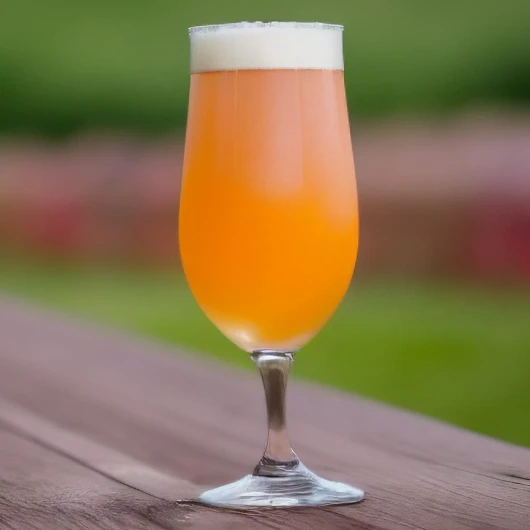
Pouring this beer is already part of the experience. The liquid settles into the glass with a deep ruby to garnet hue, often topped by a creamy pinkish head. Hold it up to the light and you will notice a jewel-like clarity, a visual cue that connects it to the carefully crafted Belgian fruit ales mentioned earlier in the article.
Aromas that leap from the glass
On the nose, the cherry character is immediate and intense. You get a mix of sweet and slightly tart cherry, backed by hints of almond, red berries, and a touch of candy-like sweetness. Underneath, there is a subtle malt warmth and a faint herbal note from the hops, reminding you that this is still very much a beer, not a syrupy cocktail.
Flavor profile and mouthfeel
The first sip brings a bold wave of cherry flavor, with a balance of sweetness and gentle acidity. The malt base adds soft caramel and biscuit notes, while the alcohol provides a warming depth similar to other strong ales you may know from discussions about how strong certain modern IPAs can be. The body is medium to full, with a smooth, almost velvety texture and a lightly drying finish that keeps it from feeling cloying.
Serving tips for the best experience
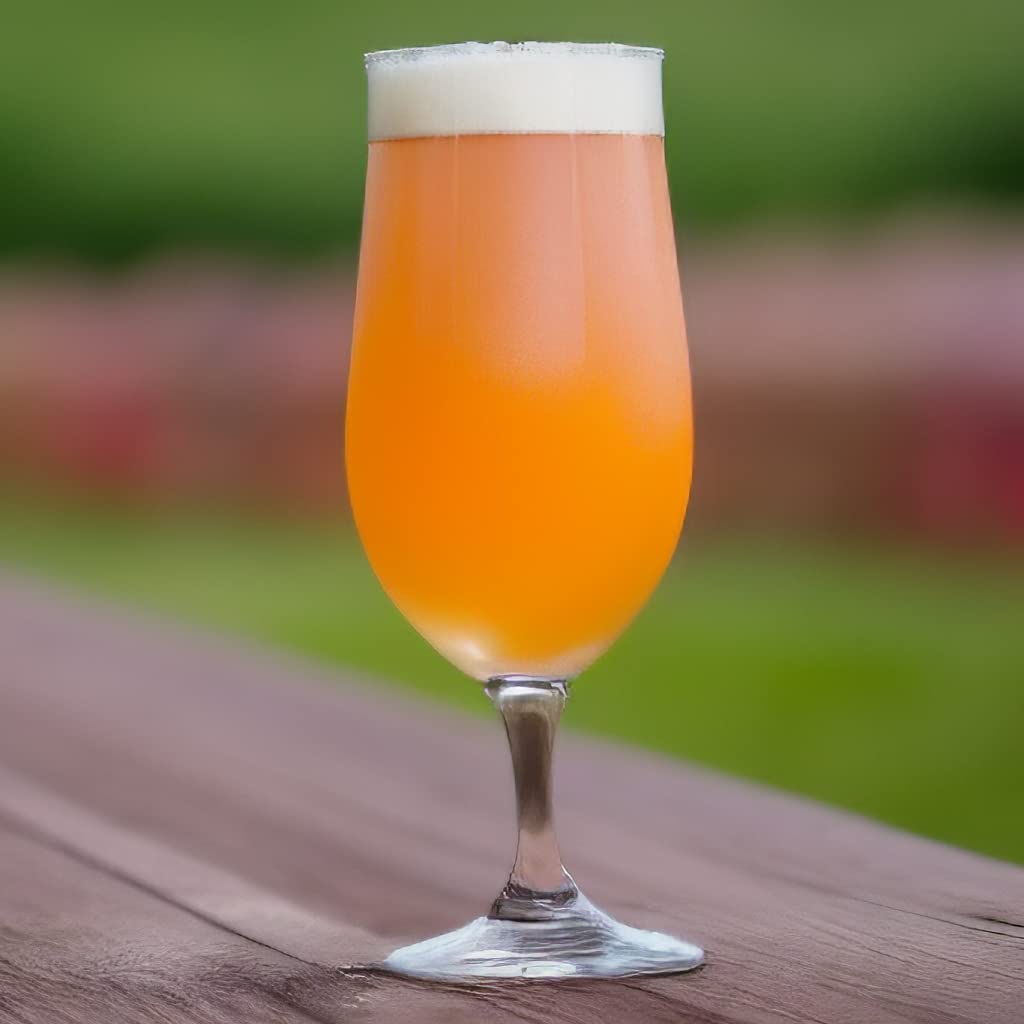
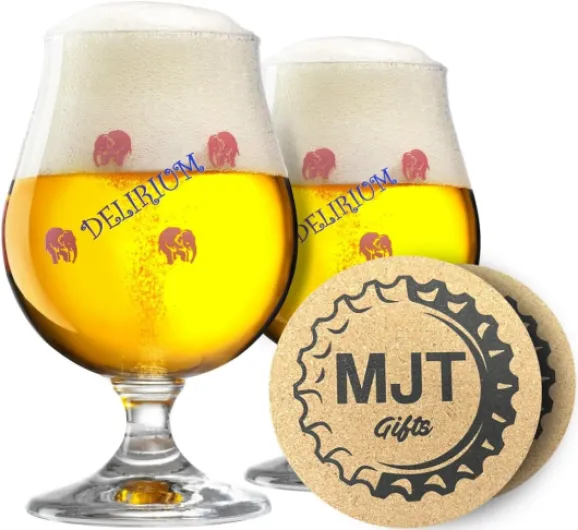
Serve this beer slightly chilled rather than ice-cold ; around cellar temperature lets the fruit and malt open up. A tulip or goblet-style glass works well, concentrating the aromas while showing off the color. Pour gently to build a stable head, and take your time with each sip. This is a beer that rewards slow appreciation, whether you are tasting it alongside traditional Belgian fruit ales or enjoying it as a standalone treat.
Food pairings, gifting ideas and how delirium red beer fits into modern drinking habits
Pairing this cherry-forward ale with food
Delirium red beer’s bold cherry character and gentle sweetness make it surprisingly versatile at the table. Its medium body and lively carbonation help cut through rich dishes, while the tart edge keeps pairings from feeling cloying.
- Cheese boards : Try it with creamy brie, camembert, or a mild blue cheese. The fruitiness softens the funk, and the carbonation refreshes your palate.
- Roasted and grilled meats : Pork tenderloin, duck breast, or glazed ham work beautifully. The beer’s cherry notes echo fruity sauces and balance salty, caramelised edges.
- Desserts : Pair with dark chocolate torte, black forest cake, or cheesecake topped with berries. The beer acts almost like a sauce, amplifying cocoa and red fruit flavours.
- Spicy dishes : Moderately spiced Asian or Latin dishes benefit from the beer’s cooling sweetness and gentle tartness.
Gifting ideas for beer lovers
Because of its iconic pink elephant branding and vivid ruby colour, delirium red beer makes a memorable gift. It works well in a mixed Belgian gift pack alongside a classic strong golden ale and a traditional kriek, highlighting how different fruit expressions can be. You can also create a dessert-themed bundle with artisanal chocolates or cherry preserves to echo the beer’s profile.
Fitting into today’s drinking habits
Modern drinkers often look for beers that bridge the gap between craft experimentation and easy enjoyment. Delirium red beer fits this niche : it is flavourful enough for seasoned enthusiasts, yet approachable for people who usually prefer wine or cocktails. Its moderate strength encourages slower sipping and sharing, making it suitable for relaxed evenings, tasting flights, or as a colourful centrepiece at gatherings where people want something playful but still rooted in Belgian brewing tradition.
How delirium red beer is presented online : site content, design details and privacy notes
First impressions on the official website
The online presence of delirium red beer mirrors the bold character described earlier. The official pages usually highlight the iconic pink elephant logo against a deep red or dark background, instantly signaling a playful yet intense fruit ale. Product shots often show the beer in its branded glass, emphasizing the rich color and generous foam that fans notice during tastings.
Key details such as alcohol content, style description, and suggested serving temperature are typically presented in concise blocks. This helps drinkers quickly understand how this cherry-forward ale fits alongside other Belgian specialties they may enjoy.
Design choices that echo the beer’s personality
Visual design leans heavily on contrast : bright accents over darker tones, echoing the balance between sweet fruit and firm backbone you experience in the glass. Typography tends to be bold and slightly whimsical, reinforcing the sense of fun that runs through the whole Delirium range.
Imagery often focuses on social moments – friends sharing bottles or clinking branded glasses. This aligns with the beer’s role in modern drinking habits, where people look for flavorful options that stand out at gatherings, tasting sessions, or as memorable gifts.
Privacy, cookies and user data handling
Like most brewery and drinks-brand sites, delirium red beer pages generally include clear notices about cookies and tracking tools. Visitors are usually informed that browsing behavior may be used for analytics or marketing, with options to accept, refuse, or customize settings.
Privacy policies tend to outline what personal data is collected when you sign up for newsletters, competitions, or age-verification gates. Email addresses, approximate location, and browsing patterns may be stored to tailor content and promotions. For users, the key is to check how long data is retained, whether it is shared with third parties, and how to opt out or request deletion if needed.