

St Bernardus christmas beer, from monastery roots to holiday legend
St. Bernardus christmas ale may feel like a modern holiday treat, but its story begins in the quiet fields of Watou, a small village in West Flanders. There, in the mid‑20th century, a cheese factory evolved into a brewery with deep monastic ties. The founders worked closely with Trappist monks from nearby abbeys, learning how to brew rich, contemplative ales that echoed centuries of monastic tradition.
From monastic know‑how to festive specialty
Although St. Bernardus is not an official Trappist brewery, its roots are firmly planted in the same soil. For years, the brewery produced beers under license for a Trappist abbey, perfecting the art of strong, dark ales. When that agreement ended, St. Bernardus continued on its own path, using the same brewing wisdom to create a full range of abbey‑style beers.
Their christmas ale grew out of this heritage. It was conceived as a seasonal counterpart to their classic quadrupel, tailored to the colder months and festive tables. Think of it as the brewery’s way of bottling the warmth of a monastery refectory during winter, then sending it out into the world.
A holiday icon in the wider beer landscape
Over time, St. Bernardus christmas ale has become a reference point for Belgian holiday beers, much like other brands have defined their own niches in the broader drinks world, from classic lagers to tropical ready‑to‑drink favorites. Its reputation rests not only on history, but also on the sensory experience in the glass and the way it fits into the family of abbey and Trappist‑inspired ales, themes that will come into focus when we look at its flavors, serving rituals, and why enthusiasts return to it every winter.

Tasting St Bernardus christmas ale, dark fruits and sweet spice in perfect balance
First impressions in the glass
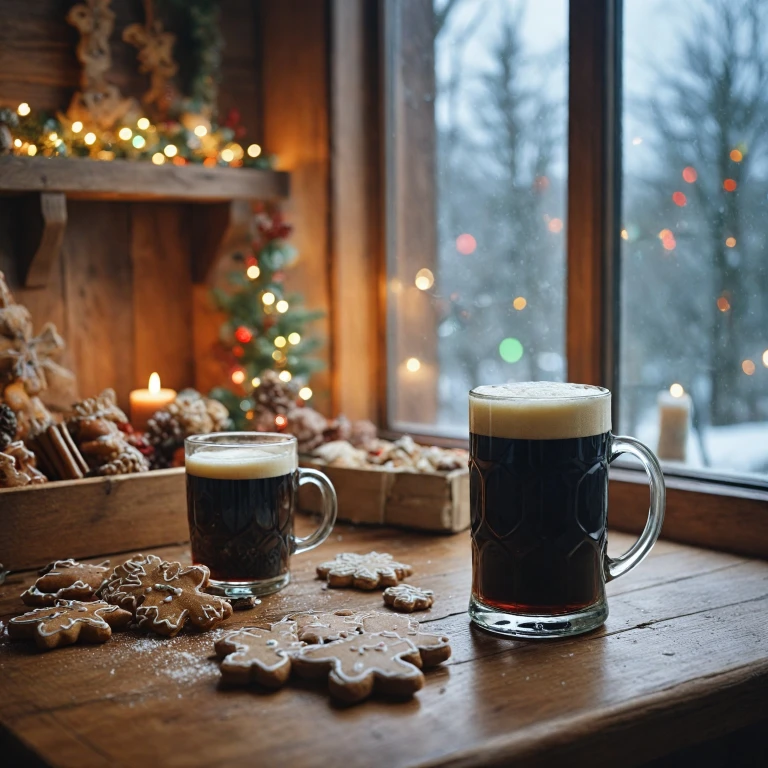
Pour St. Bernardus Christmas ale into a tulip glass and you are greeted by a deep mahogany color with ruby highlights. A dense, creamy beige head slowly forms, leaving elegant lacing as it recedes. The visual richness already hints at the complex malt bill and patient fermentation behind this seasonal classic.
Aroma, where the holidays begin
Bring the glass to your nose and you will find layers of dark fruit and spice. Notes of raisin, fig, and date mingle with hints of clove, nutmeg, and a touch of peppery phenols from the Belgian yeast. There is a gentle caramel and toffee sweetness, balanced by a subtle herbal hop edge. The aroma feels like a Christmas pudding in liquid form, yet never cloying.
Flavor, dark fruits wrapped in gentle sweetness
The first sip is full and warming, but surprisingly smooth. Rich flavors of dried plum, candied cherry, and fig lead the way, supported by caramel malt, brown sugar, and a whisper of chocolate. Belgian yeast adds spicy complexity, with clove and allspice notes that echo traditional holiday baking. Bitterness is firm but restrained, just enough to keep the sweetness in check and invite another sip.
Mouthfeel and the long, warming finish
The body is medium to full, with a velvety texture and fine carbonation that lifts the richness. Alcohol warmth is present but well integrated, contributing to a lingering finish of dark fruit, spice, and soft malt sweetness. This is a beer made for slow appreciation, much like the small-batch specialties highlighted in this guide to crafting characterful small-batch beers. Take your time, and each sip reveals another layer of festive complexity.
How St Bernardus christmas beer fits into belgian abbey and trappist style ales
An abbey-style christmas ale with trappist soul
St. Bernardus christmas ale sits at a fascinating crossroads between Belgian abbey and trappist traditions. The brewery itself is not a trappist monastery, yet its roots are deeply tied to monastic brewing, and that heritage shows in the glass. The beer follows the strong dark abbey ale template : rich malt, elevated strength, and a complex fermentation profile driven by expressive Belgian yeast.
In the world of Belgian strong dark ales, trappist classics often set the benchmark. St. Bernardus christmas ale comfortably stands alongside them, thanks to its layered profile of dark fruit, caramelized malt, and warming spice. The yeast character – with notes of clove, pepper, and subtle banana – echoes what you find in revered trappist beers, while the generous body and smooth finish give it a distinctly abbey-style comfort.
What makes this beer especially interesting is how it balances tradition with individuality. Many Belgian festive ales lean heavily on spice additions. Here, the emphasis is on fermentation character and malt depth, with spices playing a supporting role rather than dominating. That approach places it closer to classic trappist strong dark ales than to modern, heavily spiced holiday beers.
If you enjoy exploring how different brewing cultures interpret strong, characterful ales, it is worth comparing this Christmas classic with a bold American interpretation like modern hop-forward craft styles. Where those beers showcase hops, St. Bernardus christmas ale showcases yeast and malt, staying firmly rooted in the Belgian abbey and trappist tradition while still feeling vibrant and relevant today.
From bottle to glass, how to enjoy bernardus christmas at home
Choosing the right glassware
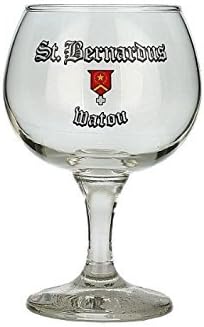
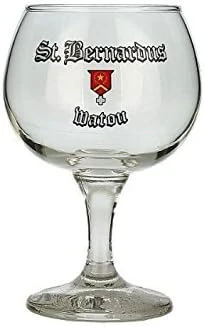
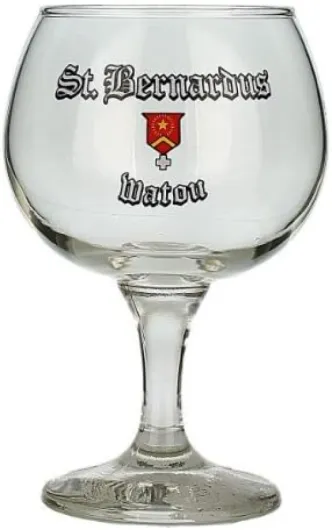
St. Bernardus christmas ale deserves a proper stage. A tulip or goblet-style glass is ideal, as the inward curve concentrates the rich aromas of dark fruit, caramel, and spice. Avoid narrow pilsner glasses ; they mute the complexity and make the beer feel thinner than it really is.
Serving temperature for maximum flavor
Resist the urge to serve this beer fridge-cold. Aim for a serving temperature between 10 and 13 °C (50–55 °F). Too cold, and the nuanced malt sweetness and yeast character stay hidden. Take the bottle out of the fridge about 15–20 minutes before pouring. As the beer gently warms in the glass, you will notice new layers of aroma and flavor emerging with each sip.
How to pour for a perfect head
Hold the glass at a slight angle and pour slowly down the side, straightening the glass as it fills. Leave a small amount in the bottle at first, then finish with a gentle splash to build a dense, creamy head of about two fingers. This foam cap helps release aromas while keeping the beer lively and elegant.
Pairing with food and festive moments
At home, treat St. Bernardus christmas ale like a dessert wine or digestif. It pairs beautifully with blue cheese, aged gouda, gingerbread, dark chocolate, and rich fruitcake, echoing the dark fruit and spice notes described in the tasting section. For a simple yet impressive pairing, serve it alongside a plate of mixed nuts and dried figs. Sip slowly, share a bottle with friends or family, and let the beer turn an ordinary evening into a small holiday ritual.
Why beer geeks rank st bernardus christmas among the best christmas beers
What makes this festive ale a benchmark christmas beer
Beer geeks tend to be demanding, yet st bernardus christmas consistently earns a place on their holiday shortlists. One key reason is its balance. As you will have seen when looking at its dark fruit and spice profile, every element feels intentional. The beer is rich without being cloying, warming without harsh alcohol burn, and complex yet still easy to drink by the fire.
Another factor is age-worthiness. Enthusiasts love beers that reward patience, and this ale does exactly that. Fresh bottles showcase lively spice and fruit. With a year or two of careful cellaring, the flavors knit together, the carbonation softens slightly, and notes of fig, toffee, and cocoa become deeper and more rounded. That ability to evolve makes it a perfect candidate for vertical tastings and holiday traditions.
Context also matters. Fans of belgian abbey and trappist styles recognise how closely this beer aligns with classic brewing methods, while still feeling like a special seasonal treat. It carries the DNA of the brewery’s renowned strong dark ales, but layers on a festive twist that feels authentic rather than gimmicky.
Presentation plays its part as well. The iconic artwork, the generous 75 cl bottles, and the way the beer pours into a chalice with a dense, creamy head all contribute to the sense that you are opening something truly celebratory. For many enthusiasts, that ritual has become as much a part of the holidays as decorating a tree or sharing a special meal.
Put simply, st bernardus christmas hits the sweet spot between tradition, flavor depth, and seasonal charm. That combination is why beer lovers keep returning to it year after year, and why it remains a reference point whenever people talk about the best christmas beers.