

Chimay white beer and the story of scourmont abbey
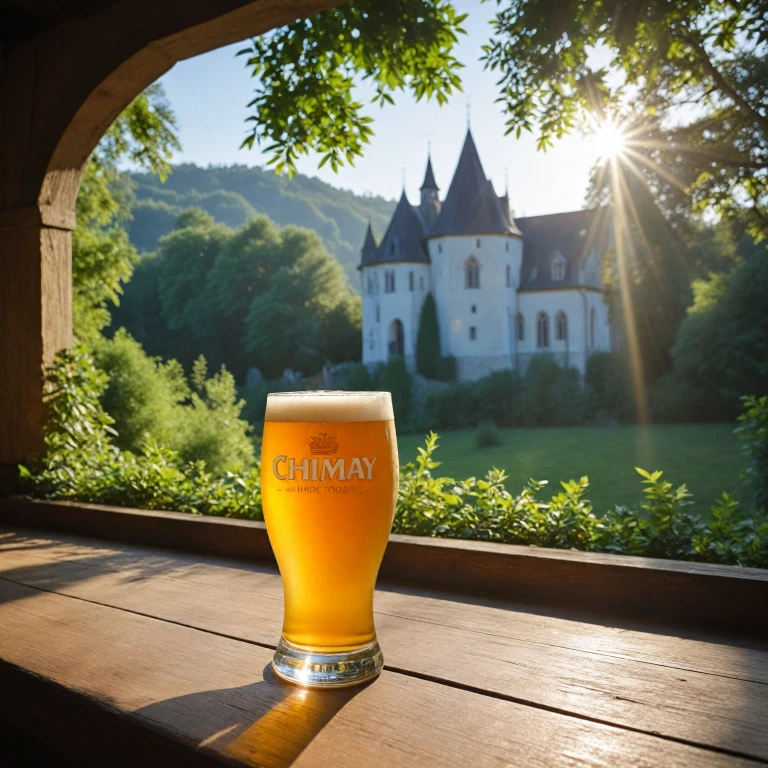
The quiet Belgian countryside behind the chalice
Chimay white, also known as Chimay Triple, is more than a strong pale ale in a stemmed glass ; it is the liquid expression of a secluded monastic life on the plateau of Scourmont in southern Belgium. The Trappist monks who brew it follow a rhythm shaped by prayer, work, and silence, where beer is not a marketing project but a way to support their community and charitable works.
When you pour a glass of Chimay white, you are tasting a tradition rooted in the broader Belgian abbey beer culture. Just as other monastic and abbey breweries have created their own golden ales and tripels, the monks at Scourmont have refined a recipe that balances strength, dryness, and elegance. This places Chimay white alongside other classic Belgian wheat and abbey styles, such as the historic wheat beer traditions of Hoegaarden, while remaining unmistakably Trappist.
The brewery itself sits within the abbey grounds, surrounded by fields and forests. The monks oversee the brewing, even as lay brewers handle much of the day-to-day work. Their focus is not on rapid innovation but on consistency and subtle evolution, which helps explain why Chimay white lends itself so well to careful tasting, thoughtful food pairings, and even cellaring over time.
Understanding this monastic backdrop adds depth to every aspect of Chimay white, from its tripel profile to the way it ages in the bottle. The beer’s story begins in the cloister, but continues in your glass, whether you are analyzing its aroma and flavor, pairing it with regional cheeses, or exploring how it changes with patient storage.

What makes chimay white beer a belgian tripel
The trappist roots of a golden strong ale
Chimay white is classified as a Belgian tripel, a style born in monastic breweries and refined over generations. In the glass, it shows a deep golden color with a lively, persistent mousse, already hinting at the higher strength and complex fermentation profile typical of the style. Like other classic tripels, it relies on pale malts, a carefully chosen yeast strain, and a patient fermentation schedule rather than heavy hopping or dark malts.
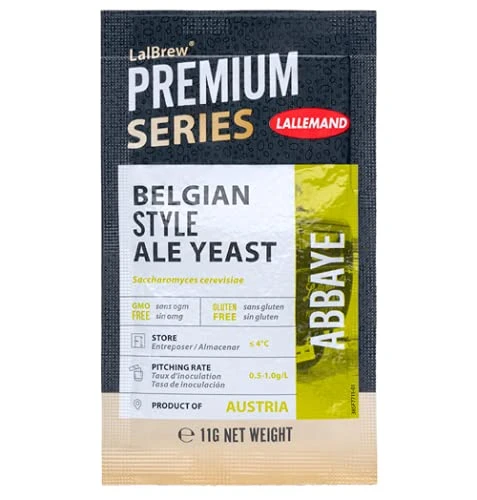
The yeast is the real signature here. Trappist brewers use a house strain that produces layers of fruity esters and spicy phenols : think notes of pear, light banana, clove, and white pepper. This expressive fermentation character is a hallmark of Belgian tripels and sets them apart from many modern strong ales. If you enjoy exploring how yeast shapes flavor, you might also appreciate the different profile found in more contemporary Belgian-inspired beers such as those described in this guide to exploring the flavors of krush beer.
Balance, strength and the role of sugar
Another key feature of Chimay white as a tripel is its balance between strength and drinkability. The use of highly fermentable sugars alongside malt helps achieve a relatively dry finish, even though the alcohol content is elevated. This dryness keeps the beer from feeling heavy, allowing the fruity and spicy notes to shine without cloying sweetness.
Moderate bitterness from noble or traditional European hops supports the malt and yeast character rather than dominating it. This structure is what makes Chimay white so versatile for food pairing and also explains why it can age gracefully, developing new layers of complexity over time while retaining its tripel identity.
Tasting chimay white beer : aroma, flavor and serving tips
Reading the glass before the first sip
Chimay white pours a deep golden color with a slight haze and a dense, creamy head. Watch how the foam clings to the glass ; this lacing hints at the beer’s rich body and careful bottle conditioning. Tiny, lively bubbles rise steadily, showing the strong yet elegant carbonation typical of a Belgian tripel.
Unfolding the aromas
Bring the glass to your nose and take a slow breath. You will notice layers of fruity esters reminiscent of pear, apple, and a touch of citrus. These come from the Trappist yeast, the same monastic heritage that shapes the beer’s character from the brewhouse to the cellar. Subtle spicy notes follow : white pepper, clove, and a hint of coriander-like freshness. Underneath, a gentle malt sweetness and light floral hops complete the bouquet.
Flavor, mouthfeel, and serving temperature
The first sip balances soft malt sweetness with a firm, drying bitterness. Stone fruit and citrus peel mingle with peppery spice, while the alcohol remains warming but never harsh. The body is medium, lifted by lively carbonation that keeps each mouthful refreshing rather than heavy. Serve Chimay white slightly chilled, around cellar temperature, not straight from an icy fridge ; too cold, and you will mute the yeast-driven complexity that sets it apart from simpler pale lagers often debated in Belgian beer style discussions.
Glassware and pouring technique
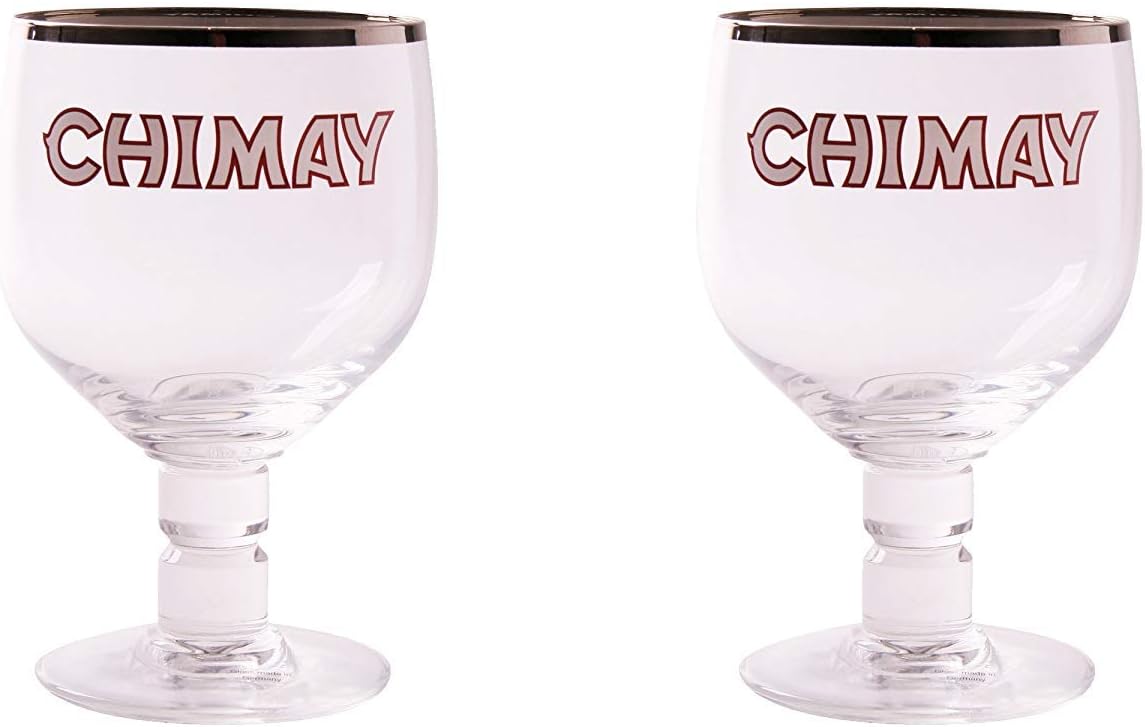
Use a chalice or goblet to allow the foam to develop and the aromas to open up. Tilt the glass while pouring, then straighten it to build a thick head. Leave the last centimetre in the bottle if you prefer a clearer pour, or swirl and add it for more yeast character and a slightly fuller texture.
Pairing chimay white beer with cheeses and food from the region
Classic cheese partners from the abbey’s surroundings
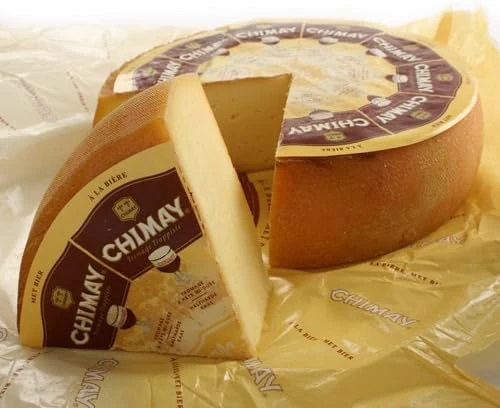
Chimay white is brewed on monastic grounds, so it makes sense to start with Trappist cheeses. Semi-soft Chimay à la bière, washed in beer, echoes the ale’s fruity esters and gentle spice. The rind’s subtle funk highlights the yeast character, while the creamy paste softens the beer’s firm bitterness.
Harder regional cheeses, such as aged Gouda or a well-matured Comté, bring caramelized, nutty notes that resonate with the tripel’s malt sweetness. Their salt crystals sharpen the perception of pear and apple esters, making each sip feel brighter and more layered.
Charcuterie and warm dishes from the region
For a simple plate, pair Chimay white with Ardennes ham, pâté de campagne, or a rustic terrine. The beer’s high carbonation cuts through fat, while its peppery phenols refresh the palate between bites.
Hearty Belgian dishes also work beautifully. Think carbonnade flamande made with a malty ale, or rabbit braised in beer and mustard. The tripel’s dryness keeps these rich preparations from feeling heavy, and its gentle warmth mirrors the slow-cooked depth of the sauces.
Seafood, spice, and vegetarian options
The bright, dry finish of Chimay white makes it a natural partner for mussels with herbs, grilled white fish, or shrimp in garlic butter. The beer’s effervescence lifts delicate textures, while its fruity notes add a subtle contrast to briny flavors.
Lightly spiced dishes, such as Thai basil stir-fries or vegetable curries with coconut milk, can also shine. The beer’s peppery yeast character complements herbal and citrusy elements, and its firm bitterness reins in sweetness. For vegetarians, try pairings with roasted root vegetables, leek tarts, or mushroom quiche to echo the beer’s earthy, spicy complexity.
Aging chimay white beer : how it ages well and what changes over the years
Why chimay white rewards patience
Chimay white is bottle-conditioned, meaning live yeast remains in the bottle along with fermentable sugars. Over time, this slow, ongoing fermentation gently reshapes the beer’s profile. The vibrant, spicy character you enjoy when the beer is young gradually softens, while new layers of dried fruit, honeyed malt, and subtle oxidative notes emerge.
In its youth, Chimay white shows a lively hop bitterness and bright carbonation, much like other Belgian tripels from the region. As it ages, the hop bite recedes, the carbonation becomes finer, and the alcohol warmth integrates more smoothly. The result is a rounder, more contemplative beer that echoes the monastic patience behind its creation at Scourmont Abbey.
How to cellar chimay white at home
To age Chimay white successfully, store bottles:
- Upright, to keep yeast sediment at the bottom and limit oxidation
- In a cool, stable environment around cellar temperature
- Protected from light, which can damage delicate hop and malt aromas
Many enthusiasts like to buy several bottles and open one each year. This “vertical tasting” lets you track how the beer evolves from fresh and zesty to mellow and complex, mirroring the tasting journey you may have started with younger bottles.
Flavor evolution and food pairing over time
As Chimay white matures, its pairing potential shifts. Younger bottles, with their brighter spice and higher carbonation, cut beautifully through rich, creamy cheeses from the region. Older bottles, with deeper notes of caramel, dried apricot, and soft spice, work wonderfully alongside aged hard cheeses, roasted poultry, or dishes featuring earthy mushrooms. Aging does not simply change the beer ; it opens new ways to enjoy it at the table.