
What makes cherry lambic beer so different from regular ale or wine
Why cherry lambic sits between beer and wine
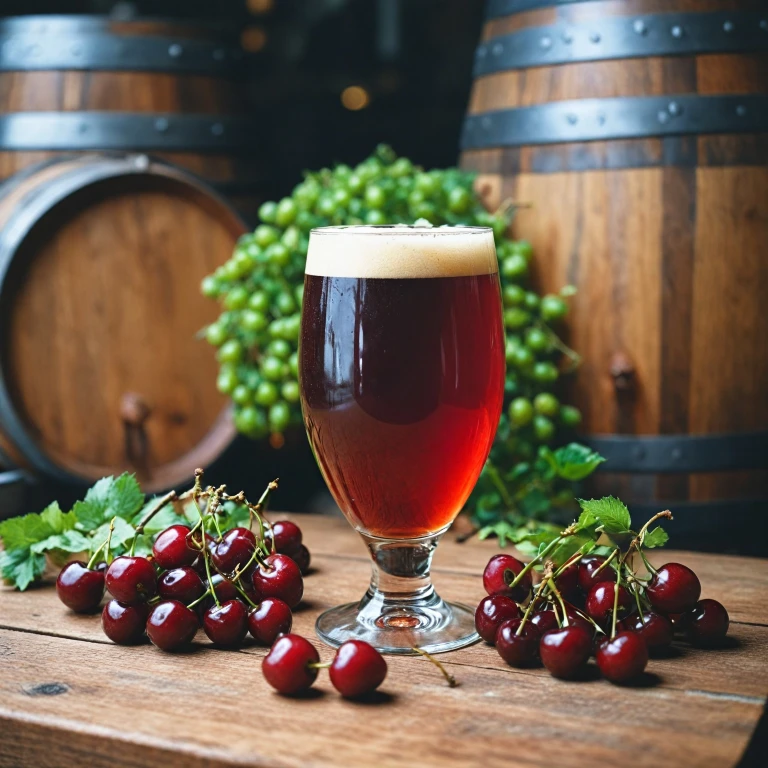
Cherry lambic beer often confuses people ; it pours like beer, can smell a bit like cider, and sometimes drinks almost like a tart red wine. The key difference lies in how it ferments and how the fruit is used. Instead of relying on a single, carefully selected yeast strain like most ales, lambic starts with a mixed culture of wild yeasts and bacteria. This creates layers of acidity, funk, and complexity that you rarely find in regular beer styles.
Where a classic ale aims for clean, predictable flavours, cherry lambic embraces unpredictability. The base lambic is typically pale, quite dry, and only lightly carbonated. When cherries are added, they do more than just sweeten the beer ; their sugars ferment out, leaving behind colour, aroma, and a spectrum of cherry notes from juicy to almond-like. The result can feel closer to a rustic, sour wine than to a standard fruit beer.
Acidity, sweetness, and aroma compared to other drinks
Compared with wine, cherry lambic usually has lower alcohol but higher perceived acidity. The sourness is lactic and sometimes lightly acetic, giving a sharp, refreshing edge. Unlike many fruit-flavoured ales, authentic cherry lambic is not built around added syrups or essences ; it is driven by real fruit and slow fermentation. That is why it can range from soft and approachable to intensely tart, as you will see when looking at traditional producers and events such as Zwanze Day and Cantillon’s lambic culture.
This balance of sourness, subtle sweetness, and complex cherry character sets the stage for how cherry lambic is brewed, how it tastes in the glass, and why it fits so neatly into today’s adventurous drinking culture.

From wild airborne yeast to kriek : how belgian fruit beer is made
From spontaneous magic to cherry-infused tradition
Cherry lambic starts life very differently from most beers. Instead of carefully selected lab yeast, traditional lambic is fermented by wild, airborne micro-organisms drifting through the cool Belgian air. Brewers pump warm wort into shallow, open vessels called coolships, where it slowly cools overnight and is “seeded” by local yeasts and bacteria. This spontaneous fermentation is what gives lambic its funky, earthy and sharply tart backbone.
After this wild start, the beer is transferred into oak barrels, where it can mature for one to three years. Inside the wood, a whole ecosystem keeps working ; Brettanomyces yeasts add barnyard and leather notes, while lactic acid bacteria bring a lemony, mouth-watering acidity. Each barrel develops its own personality, which later becomes crucial when blending.
Turning lambic into kriek
To create cherry lambic, or kriek, brewers add whole cherries (traditionally tart Schaerbeekse cherries) to this aged lambic. The fruit macerates for weeks or months, releasing juice, colour and aroma. Natural sugars from the cherries trigger a new fermentation, drying the beer out and locking in deep red hues and layers of cherry flavour.
Some modern breweries use cherry juice or concentrate instead of whole fruit, often aiming for a sweeter, more accessible profile that will matter when we talk about tasting styles and brand differences. Others stay close to the old methods, producing bone-dry, intensely sour krieks that feel almost wine-like.
If you are curious how this slow, mixed-fermentation approach compares with quicker, modern methods, it is helpful to look at how brewers create fast-soured beers ; this guide to kettle sour beer techniques shows just how unique the lambic and kriek process really is.
Tasting cherry lambic beer : from sweet cherry soda vibes to bone dry kriek
How sweet is your cherry lambic ?
Cherry lambic can feel like a completely different drink depending on the producer. Some versions taste almost like cherry soda with bubbles and a gentle tart edge ; others are bone dry, funky and sharply acidic, closer to a rustic cider or natural wine. The key is understanding where your bottle sits on that spectrum before you pour.
Many entry-level cherry lambics lean sweet. They often use added cherry juice or sugar, giving bright red colour, soft acidity and flavours of cherry candy, almond and a touch of spice. These are easygoing, low-bitterness beers that work well as an aperitif, dessert pairing or gateway for people who usually prefer cocktails or soft drinks.
Traditional kriek, made from long-aged lambic with whole cherries, is another story. Expect deeper ruby hues, earthy funk, notes of sour cherry, lemon zest, oak and sometimes a hint of leather or barnyard. The finish is dry, with a firm, mouthwatering acidity that can surprise drinkers used to sweeter fruit beers.
Serving tips and food pairings
Serve cherry lambic slightly chilled, not ice cold, so the fruit and wild yeast character can open up. A tulip or wine glass helps concentrate the aromas, much like you would with a complex IPA such as bold hop-forward beers.
- Sweet styles pair nicely with chocolate desserts, cheesecake, fruit tarts or simple vanilla ice cream.
- Dry, traditional kriek shines with rich dishes like duck, charcuterie, aged cheese or even spicy Asian cuisine, where the acidity cuts through fat and heat.
When tasting, take small sips, let the beer warm slightly in the glass and notice how the cherry character, acidity and funk evolve from first impression to finish.
Well known cherry lambic brands : lindemans kriek, belle vue and more
Lindemans kriek and the gateway cherry lambics
If you are new to cherry lambic, Lindemans Kriek is often the first name you will meet. It is a classic example of the sweeter, more approachable style you read about earlier. Lindemans blends young lambic with cherry juice and usually adds a touch of sweetness, giving bright red colour, soft acidity and flavours of cherry pie, almond and gentle funk. It feels almost like a cherry spritzer, with low bitterness and a smooth, easy finish.
In a similar crowd-pleasing vein, Belle Vue Kriek leans into fruitiness and drinkability. It is widely available in supermarkets and cafés, making it a common first step for people who usually drink wine or cider. Expect juicy cherry notes, light tartness and only a hint of the wild character that defines traditional lambic.
Traditional kriek and more intense expressions
Once you are comfortable with these gateway brands, you might look for more traditional producers. Breweries and blenders such as Boon, Oud Beersel and Hanssens create krieks that are noticeably drier and more complex. Here, whole cherries macerate on mature lambic, bringing deeper colour, firm acidity and layers of earthy funk, spice and oak.
At the most intense end, Cantillon and 3 Fonteinen offer benchmark cherry lambics that showcase everything you learned about wild fermentation and long ageing. These beers are usually bone dry, with sharp, refreshing acidity, deep cherry and berry notes, and a pronounced barnyard or leathery edge. They are closer to natural wine than to cherry soda, and often benefit from slow sipping and food pairing.
Together, these brands map out the full spectrum of cherry lambic, from playful and sweet to austere and complex, giving you plenty of options for your own tasting journey.
How cherry lambic beer fits into modern drinking habits and buying choices
Why cherry lambic appeals to today’s drinkers
Cherry lambic sits at the crossroads of several modern trends ; low-ABV options, culinary experimentation, and interest in heritage products. Many drinkers who usually reach for wine, cider, or cocktails are drawn in by its fruit character and gentle sparkle, then stay for the complex layers of funk and acidity you read about earlier.
Because it ranges from sweet and approachable to bone dry and intensely tart, cherry lambic can act as a bridge beer. The softer, fruit-forward versions work well for people who say they “do not like beer”, while traditional kriek often becomes a gateway into the wider world of sour and wild ales.
Occasions and food moments where it shines
Modern drinking habits lean toward “occasion-based” choices rather than one go-to drink. Cherry lambic fits naturally into :
- Brunch and daytime gatherings ; its lower alcohol and bright fruit make it feel celebratory without being heavy.
- Food pairing ; the acidity cuts through rich dishes, while cherry notes echo desserts like chocolate cake, cheesecake, or fruit tarts.
- Sharing bottles ; 375 ml and 750 ml formats encourage tasting among friends, much like wine.
Buying cherry lambic ; from supermarket shelves to specialty shops
For many people, the first contact is a sweetened cherry lambic from the supermarket, often served chilled like a soda-like refresher. As curiosity grows, bottle shops and online retailers open the door to traditional kriek from smaller producers, including unblended and oak-aged versions similar in spirit to other artisanal sour ales.
Limited releases, vintage-dated bottles, and attractive label art also tap into the collector mindset. In a market where drinkers constantly seek new flavors yet value authenticity, cherry lambic’s mix of history, wild fermentation, and vivid cherry character makes it a natural fit for contemporary tastes and buying habits.