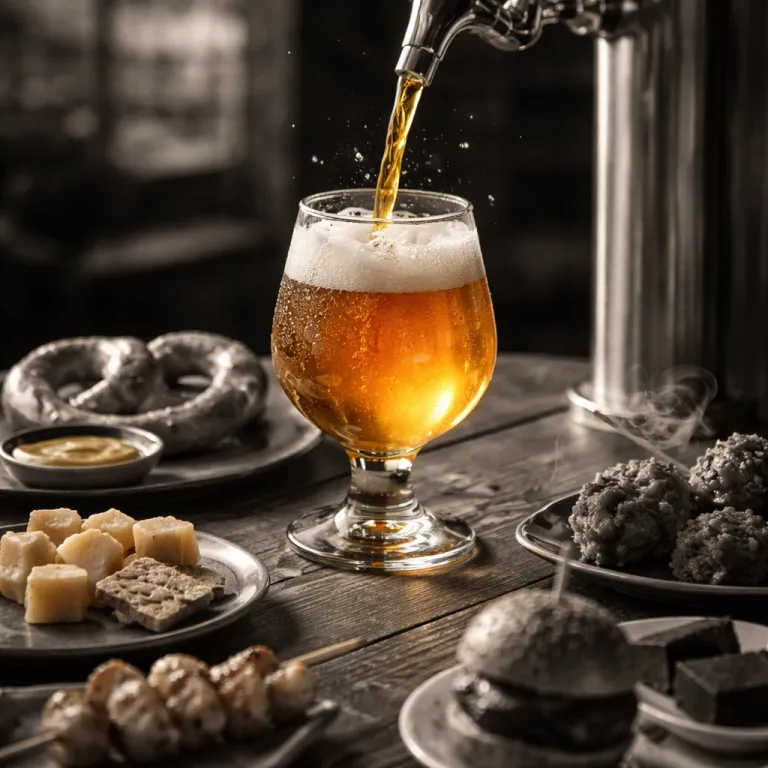
Why beer and food pairing works so well
Why your tongue loves beer with food
Beer and food work so well together because they speak the same flavor language. Beer is built from grain, water, hops and yeast – the same kinds of ingredients that shape bread, roasted meats, sauces and even desserts. When you put them side by side, your taste buds recognise shared aromas and textures, and everything feels more complete.
Think about what happens in your mouth. The bubbles scrub your palate, clearing away fat and salt so each new bite tastes fresh. Bitterness from hops cuts through rich dishes, the way a squeeze of lemon brightens fried fish. Malt sweetness softens spicy heat and adds a gentle, toasty note to grilled foods. Even the temperature of beer helps ; a cool sip can calm a hot chili or refresh after a salty snack.
There is also contrast and balance. A crisp pilsner can lighten heavy fried chicken. A roasty stout can echo the char on barbecued ribs. A fruity wheat beer can lift a simple salad or seafood dish. When you start to notice these patterns, pairing stops feeling like guesswork and starts feeling like a fun experiment you can repeat at home or at the pub.
Beer is especially good with bold, spicy flavors. That is why it shows up so often next to wings, tacos and barbecue. If you enjoy playing with heat, you can go even further by exploring craft hot sauces and dry rubs that are designed with beer in mind. Later, you will learn simple rules to apply these ideas to everyday meals, match specific styles to real dishes, and even fix pairings that did not work the first time.
Simple flavor rules for everyday beer pairings
Start with intensity, then adjust
When you pair beer with food, think first about intensity. Light dishes usually work best with lighter beers ; bold, rich dishes need something with more power.
- Delicate flavors (simple salads, steamed fish, fresh goat cheese) pair well with pale lagers, kölsch, or low-bitterness wheat beers.
- Medium dishes (roast chicken, burgers, pizza) sit comfortably with pale ales, amber lagers, or Belgian blondes.
- Big, rich foods (barbecue, stews, blue cheese desserts) call for IPAs, strong Belgian ales, porters, or stouts.
Balance sweetness, bitterness, and acidity
Three simple levers guide most everyday pairings : sweetness, bitterness, and acidity.
- Sweetness in beer softens heat and salt. A malty lager or slightly sweet Belgian ale can calm spicy wings or salty cured meats.
- Bitterness cuts through fat. The hops in an IPA or hoppy pilsner scrub away oil from fried foods or creamy sauces. Just avoid too much bitterness with very spicy dishes, or the heat can feel harsher.
- Acidity refreshes the palate. Tart wheat beers and sours brighten fatty foods like charcuterie, fried chicken, or rich cheeses.
Contrast or echo the main flavor
Most pairings follow one of two paths : contrast or echo.
- Contrast by pairing opposites, like a crisp pilsner with fried fish, or a dry stout with chocolate cake.
- Echo by matching similar notes, such as a citrusy IPA with lemony grilled chicken, or a nutty brown ale with roasted root vegetables.
As you read about real-world combinations and common mistakes later in the article, these simple rules will help you understand why a pairing works or fails. And when you start building your own chart at home, they become an easy checklist you can follow without overthinking.
To make your tasting sessions feel special, consider serving your pairings in custom beer glasses that highlight aroma and presentation.
Matching beer styles with real foods on your menu
Pairing lagers with everyday favorites
Lagers are usually crisp, clean and refreshing, which makes them ideal with simple, salty foods. A classic pale lager or pilsner works beautifully with burgers, fries, fried chicken and light pasta dishes. The carbonation cuts through fat, while the subtle malt sweetness softens salt and char.
For lighter meals like salads, grilled chicken or sushi, reach for a helles or a kölsch. Their gentle grainy notes echo bread and rice, and they will not overpower delicate dressings or fish.
How ales shine with comfort food
Pale ales and IPAs love bold flavors. Their hop bitterness and citrusy aromas stand up to strong cheeses, barbecue and spicy dishes. Try an American IPA with blue cheese burgers, chili or tacos ; the bitterness cleanses your palate between bites.
Amber ales and brown ales are great with roasted meats, sausages and pizza. Their caramel and toasty malts mirror the browned edges on your food. When your meal leans smoky or spicy, pair it with grilled meats rubbed in chili or paprika and explore a curated list of top hot sauces and rubs to fine-tune the heat level against your beer’s bitterness.
Rich beers for hearty and sweet dishes
Dark beers like porters and stouts are natural partners for stews, braised beef, barbecue ribs and chocolate desserts. Their roasted malt flavors echo coffee, cocoa and toasted bread, which you will have already met in the basic flavor rules.
For cheese boards or charcuterie, try a Belgian dubbel or strong golden ale. The fruity esters and spicy yeast notes complement cured meats, aged cheeses and dried fruits, turning a simple snack plate into a pairing that feels carefully planned.
Personal stories, common mistakes and how to fix a bad pairing
What went wrong with that pairing ?
Everyone who loves beer has had that moment ; the pint is great, the food is great, but together they somehow clash. The good news is that most bad pairings come from a few predictable mistakes you can easily avoid.
The most common issue is imbalance. A delicate lager next to a rich blue cheese or a heavy stew will taste like flavored water. On the other hand, a huge imperial stout can crush a light salad or simple grilled fish. When in doubt, match the intensity of the beer with the intensity of the dish, just as you do when you think about basic flavor rules.
Typical mistakes and simple fixes
- Too much bitterness – A very bitter IPA with spicy food can turn the heat into a harsh burn. Fix it by switching to a maltier, slightly sweeter beer that softens the spice instead of amplifying it.
- Clashing aromas – A smoky beer with a heavily spiced curry can feel chaotic. Try either a clean, crisp lager to reset the palate or a beer that echoes just one key note of the dish.
- Overpowering sweetness – Dessert with a sweet beer can become sticky and dull. Aim for contrast ; pair rich desserts with roasty or tart beers to cut through the sugar.
Learning from real experiences
When you start building your own pairing chart at home, write down both the wins and the failures. Note the beer style, the main flavors in the dish, and what you felt on the first sip after a bite. Over time, these small observations turn into your personal playbook, helping you adjust quickly whenever a pairing feels off at the table.
Building your own beer and food pairing chart at home
Start with the beers you actually drink
Grab the bottles and cans that already live in your fridge. Note the style, strength, and a few key flavor words from the label or brewery website. Aim for 6 to 10 regulars – pale lager, IPA, wheat beer, stout, maybe a sour or a Belgian ale.
List the foods you cook and order most
Next to your beer list, write a second column with real dishes from your week : pizza, burgers, roast chicken, tacos, salads, curries, sushi, desserts. Be specific – “pepperoni pizza” is more useful than “pizza”. This keeps your chart practical instead of theoretical.
Map flavors using simple pairing rules
Use the basic ideas you have already met – match intensity, echo flavors, and use contrast when you want a lift. For each beer, ask :
- Light, crisp beers – which dishes are light, salty, or citrusy ?
- Malty, caramel beers – which foods are roasted, grilled, or slightly sweet ?
- Hoppy, bitter beers – which rich or fatty dishes need a palate reset ?
- Dark, roasty beers – which desserts or smoky foods could they mirror ?
Put a tick where a pairing works, a star where it is excellent, and a cross where it clashes.
Use color codes for quick decisions
Turn your notes into a simple grid : beers down the left, dishes across the top. Use three colors or symbols – “go to”, “worth trying”, and “avoid”. Pin it on the fridge or save it as a phone note so you can update it after each meal.
Refine with real tasting feedback
When a pairing surprises you – good or bad – add a short comment. Over time, your chart becomes a personal guide that reflects your taste, not just general rules.