

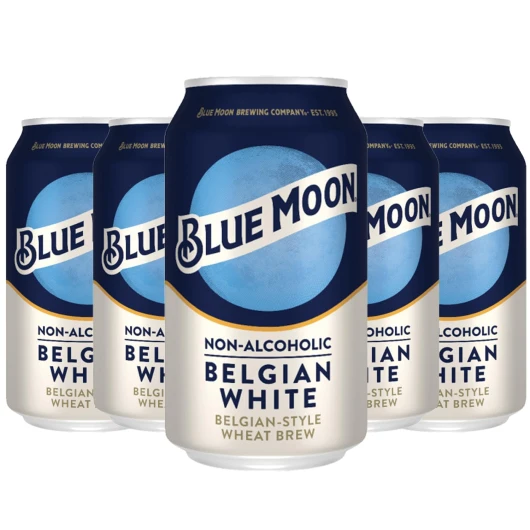
What makes Blue Moon Belgian White different and why price varies
Why Blue Moon Belgian White stands out
Blue Moon Belgian White is not priced like a basic lager because it is brewed in the style of a Belgian witbier. That means a focus on wheat malt, a hazy appearance, and a smooth, creamy mouthfeel. The beer is also flavored with Valencia orange peel and coriander, which add a soft citrus aroma and gentle spice. These ingredients, plus the extra steps in brewing, help explain why the shelf price often sits above many standard domestic beers.
Another reason Blue Moon can cost a bit more is its positioning. It is marketed as a gateway craft-style beer : approachable for newcomers, but more characterful than mass-market lagers. This “in-between” status influences how retailers place it in the aisle and how they set prices compared with both budget and premium options you will compare later on.
Ingredients, brewing choices and price impact
Wheat-based beers like Blue Moon rely on a grain bill that is different from classic all-barley lagers. Wheat can be more expensive and trickier to brew with, which can raise production costs. For drinkers who pay attention to gluten and grain content in beer, this style difference is also part of the value equation, even though Blue Moon is not gluten free.
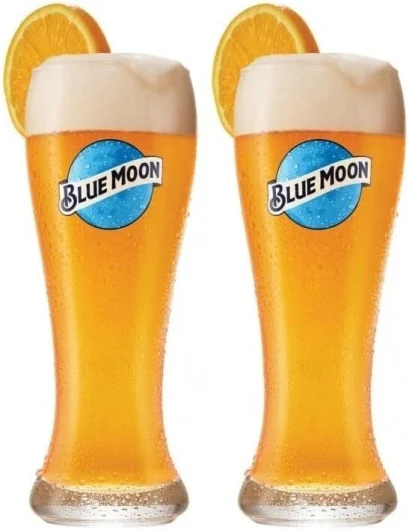
The use of specialty ingredients such as orange peel and coriander adds both flavor and cost. These elements contribute to the beer’s signature serving ritual with an orange slice, which many bars and stores highlight in their product images and descriptions. When you look at price ranges for bottles, cans and multipacks, or compare value for money across different packaging formats, it helps to keep these style and ingredient choices in mind, as they are at the core of what you are paying for with Blue Moon Belgian White.

Typical Blue Moon beer price ranges for bottles, cans and packs
Typical prices for single bottles and draft pours
When you buy Blue Moon Belgian White by the bottle, you are usually paying a small premium over standard domestic lagers. A single 12 oz bottle in a supermarket or liquor store often sits in the mid-range craft segment, while a 6-pack or 12-pack brings the per-bottle cost down. In bars and restaurants, draft pours tend to cost more per ounce than store-bought bottles, but you are also paying for freshness, service and ambiance.
On tap, Blue Moon is often priced alongside other mainstream Belgian-style wheat beers and popular imports. You might see a slight increase for larger pours or specialty glassware, especially in venues that highlight the beer’s orange-garnish presentation.
Price ranges for cans, bottles and multipacks
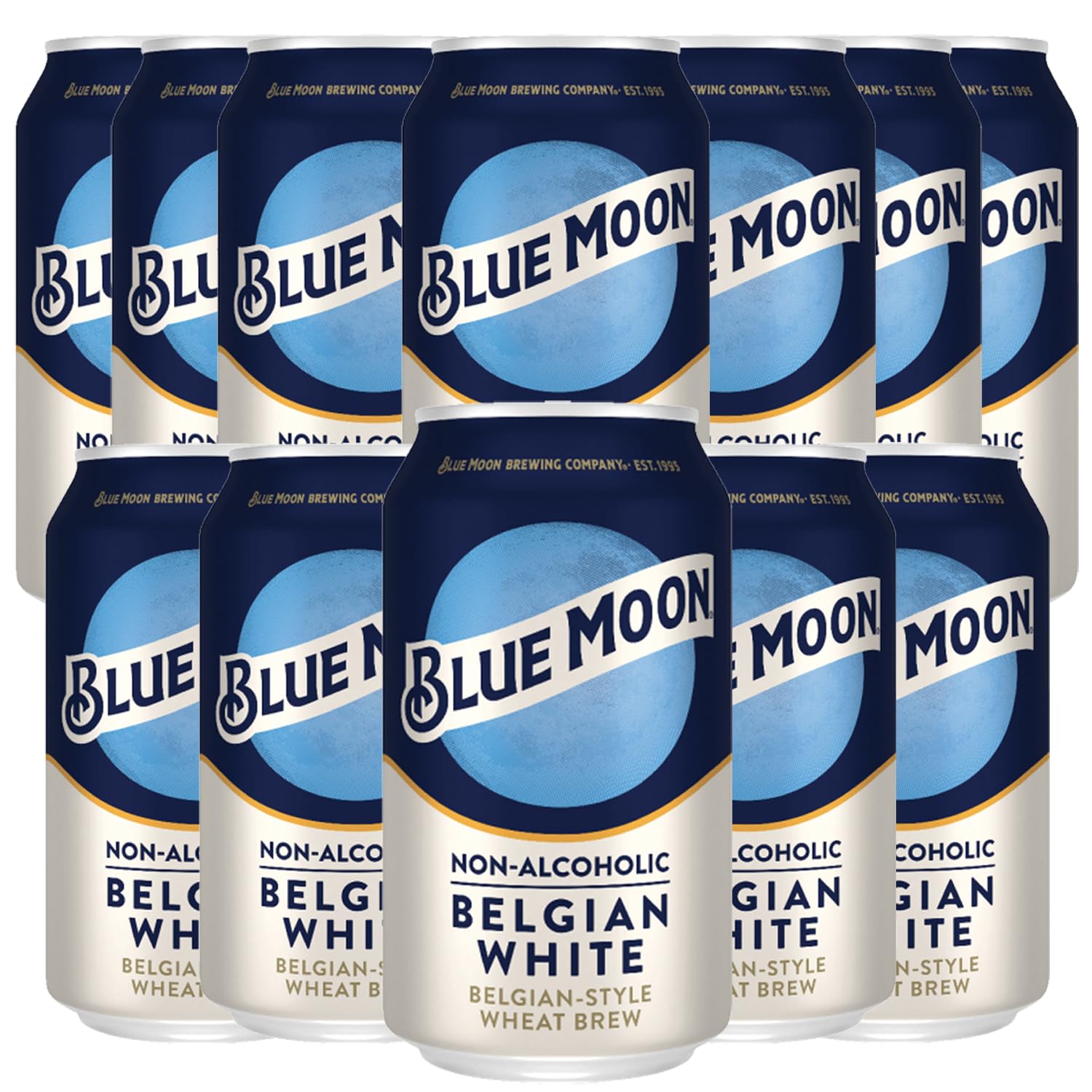
For home drinking, most people compare Blue Moon to other well-known premium lagers and wheat beers. A standard 6-pack of bottles or cans usually lands in the mid-price tier : higher than budget lagers, but below many small-batch craft releases. Stepping up to 12-packs or 24-packs typically offers better value per unit, which is helpful if you enjoy Blue Moon as a regular fridge staple.
Pricing can also vary by region, local taxes and store type. Warehouse clubs and large supermarkets often run promotions that bring the cost closer to mainstream lagers, while convenience stores may charge more for the same pack size.
If you are comparing Blue Moon with other European-style beers or checking how it fits into a gluten-conscious lifestyle, it can be useful to look at guides such as this overview of Stella Artois and gluten considerations. While the styles differ, these comparisons help you understand where Blue Moon sits in terms of both price and positioning on the shelf.
How ABV, wheat ingredients and packaging shape value for money
Why strength and ingredients matter for your wallet
When you look at the price tag on a Blue Moon Belgian White, you are not just paying for a brand name. A big part of the cost comes from the beer’s alcohol content, its wheat-heavy grain bill, and the way it is packaged for shelves and online carts.
Blue Moon’s ABV sits in a moderate range, which helps balance flavor impact and drinkability. Beers with higher alcohol levels often need more malt and longer conditioning, which can push prices up. If you are curious how this compares with stronger craft options, check out this guide on how strong Elysian Space Dust IPA really is. It gives useful context for understanding why some high-ABV beers cost noticeably more per bottle or can.
Wheat is another factor. Blue Moon uses a significant portion of wheat malt to create its smooth body and hazy appearance. Wheat can be more expensive than standard barley, and it also affects how the beer is brewed and filtered. That extra complexity is part of what you pay for, especially compared with simpler lagers that rely on cheaper grain bills.
Packaging then shapes the final price you see. Single bottles and tall cans often carry a higher per-unit cost because of individual labeling and handling. Larger packs spread packaging and distribution costs across more units, which usually lowers the price per beer. Limited-edition labels, variety packs, or special glassware bundles can nudge the price higher, even when the base beer is the same.
Putting these elements together helps you judge whether a given Blue Moon offer really represents good value for money.
How stores present Blue Moon : images, product details and accessibility
How retailers showcase Blue Moon on the shelf
When you walk into a store, the way Blue Moon is presented strongly influences how you perceive its price and quality. Retailers usually place it in the “craft” or “premium” beer section rather than with budget lagers. This positioning signals that Blue Moon Belgian White sits in a slightly higher price tier, even when the actual difference per bottle is small.
Many supermarkets and liquor stores also use eye-level shelving for Blue Moon six-packs and 12-packs. Being easy to spot makes it feel like a go-to option, which can justify a modestly higher price compared with less visible brands. Seasonal or variety packs are often placed at aisle ends or in special displays, reinforcing the idea of a more curated, premium choice.
Images, labels and product details that guide your choice
On both physical shelves and online listings, the iconic orange slice imagery and bright label colors help Blue Moon stand out. The packaging highlights key details such as “Belgian White,” “wheat beer,” and the ABV, which you may have already compared with other wheat beers and mainstream lagers. These cues remind you that you are paying for a specific style and flavor profile, not just any generic beer.
Online, product pages usually include:
- Clear photos of bottles, cans and pack sizes
- ABV and volume per unit
- Short tasting notes (citrus, coriander, smooth finish)
- Price per pack and sometimes price per ounce
This information makes it easier to compare Blue Moon with other options you have already evaluated for style, ABV and ingredients. Good accessibility – clear labeling, consistent images and transparent pricing – helps you quickly judge whether the shelf or online price matches the value you expect from Blue Moon.
Buying tips : comparing Blue Moon beer price and choosing pickup or delivery
Smart ways to compare prices
When you compare Blue Moon prices, look beyond the sticker on the shelf. Check the price per ounce or per liter on the label or by using your phone’s calculator. A 12-pack can sometimes be cheaper per unit than a six-pack, even if the total looks higher at first glance.
Compare different formats too. Single bottles or cans are ideal if you just want to taste or pair with a specific meal, while larger packs usually offer better value for regular Blue Moon drinkers. Keep an eye on seasonal promotions or mixed variety packs that include Belgian White alongside other styles from the same brand.
Choosing between pickup and delivery
Most retailers now offer both in-store pickup and home delivery, and each option affects the final price you pay for Blue Moon.
- In-store pickup : Often the cheapest overall, as you avoid delivery fees and can quickly check for in-store discounts or loyalty offers. It is a good choice when you already know which format and ABV you want.
- Home delivery : Convenient if you are planning a gathering or restocking for the week. Factor in delivery charges, service fees, and potential minimum order amounts. Sometimes, online-only promotions can offset these extra costs.
Before you confirm your order, compare the total cost of the same Blue Moon pack across two or three local stores. Many supermarket and liquor store websites let you filter by size, packaging, and style, which makes it easier to align your choice with the flavor profile and value considerations you have already identified.
Finally, consider how quickly you need the beer. If you are planning ahead, pickup during a weekly grocery run can keep your Blue Moon price lower than last-minute delivery.