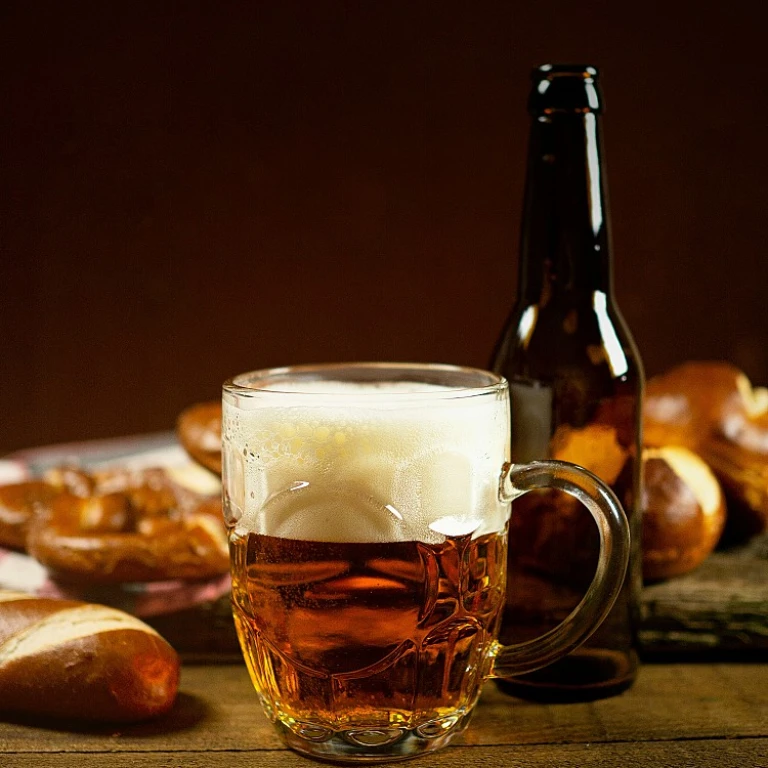

Strong dark beer: what gives it that bold taste and color
What shapes the intensity of dark, strong beers?
When you pour a glass of strong dark beer, its deep color and bold flavors are unmistakable. But what exactly gives these beers their signature richness? It all starts with the ingredients and brewing process.
- Roasted malts: Brewers use malts that are kilned or roasted longer, resulting in darker hues and complex flavors like chocolate, coffee, and caramel.
- Higher alcohol content: Strong dark beers often have more fermentable sugars, leading to a higher ABV (alcohol by volume) and a warming sensation.
- Special yeast strains: Some styles rely on unique yeast that adds fruity or spicy notes, enhancing the overall profile.
- Extended aging: Many strong dark beers are aged longer, allowing flavors to meld and develop greater depth.
These factors combine to create the bold taste and appearance that fans love. If you’re curious about the many types of dark beer and how they differ, check out this guide to dark beer varieties for more insights.
Popular styles: from porter to Belgian strong and Munich dunkel
Classic styles that define the world of strong dark beer
When it comes to strong dark beers, several iconic styles stand out, each with its own story and character. Here’s a look at some of the most beloved varieties:- Porter: Originating from England, porters are known for their deep brown color and roasted malt flavors. They often feature notes of chocolate, coffee, and caramel, making them a favorite for those who enjoy a smooth yet robust beer.
- Stout: A close relative of the porter, stouts take the roasted character even further. From dry Irish stouts to rich imperial stouts, these beers are famous for their creamy mouthfeel and bold flavors. Curious about what gives Guinness its signature color? Read more in the mystery behind Guinness’s dark hue.
- Belgian strong dark ale: These beers are complex and often higher in alcohol. Expect layers of dark fruit, spice, and a warming finish. Belgian yeast adds unique flavors that set these beers apart from their English and German counterparts.
- Munich dunkel: This German lager is less intense than some others on the list, but it’s a great introduction to dark beers. Munich dunkels are malty, smooth, and easy to drink, with subtle notes of bread crust and nuts.
Tasting notes: flavors and aromas to expect
What your senses will find in a glass
Strong dark beers are a treat for the senses, offering a complex tapestry of flavors and aromas. When you pour a glass, the first thing you'll notice is the deep, often opaque color—ranging from mahogany to near-black. This visual richness hints at the bold experience to come.
- Aromas: Expect notes of roasted coffee, dark chocolate, caramel, and sometimes dried fruit like figs or raisins. Some styles bring in hints of molasses, licorice, or even a touch of smokiness.
- Flavors: The taste is usually full-bodied and warming. Roasted malts provide flavors reminiscent of espresso, cocoa, and toffee. Depending on the style, you might also find subtle hints of dark berries, spices, or a gentle alcohol warmth.
- Mouthfeel: Many strong dark beers have a creamy or velvety texture, thanks to higher malt content and, in some cases, added oats or wheat. The finish can be dry or slightly sweet, often lingering pleasantly.
Each style brings its own twist—porters tend to be a bit lighter and more chocolate-forward, while Belgian strong dark ales might surprise you with fruity esters and a touch of spice. Munich dunkels offer a smoother, maltier profile. If you're curious about how these styles differ, you might enjoy reading this guide to dark beer varieties.
Pairing these beers with food can elevate both the drink and the dish. For more inspiration, check out this tasting notes and pairing ideas that complement bold flavors.
Why strong dark beers are popular with fans and crossword clues alike
Why enthusiasts and puzzle lovers gravitate toward bold, dark brews
Strong dark beers have a special place in the hearts of beer fans. Their deep color and intense flavors make them stand out in any lineup. But what is it about these beers that keeps people coming back for more—and even makes them a favorite in crossword puzzles?
- Memorable character: The rich, layered flavors of strong dark beers are hard to forget. Whether it’s the roasted coffee notes of a stout or the dried fruit sweetness of a Belgian strong, each sip leaves a lasting impression.
- Complexity that invites exploration: Fans enjoy the challenge of picking out subtle flavors, from chocolate and caramel to hints of smoke or spice. This complexity makes tasting sessions more engaging and rewarding.
- Iconic names: Styles like porter, stout, and dunkel are not only delicious but also recognizable. Their distinct names often appear in beer trivia and crossword clues, making them familiar even to casual drinkers.
- Seasonal appeal: Many people reach for strong dark beers during cooler months, associating them with comfort and warmth. This seasonal connection adds to their popularity and makes them a staple at gatherings.
- Perfect for pairing: As mentioned earlier, these beers pair beautifully with hearty foods, enhancing both the meal and the drink. This versatility adds to their appeal among food and beer lovers alike.
Whether you’re a seasoned enthusiast or just starting to explore, strong dark beers offer a world of flavor and tradition that’s hard to resist.
Pairing strong dark beer with food: tips and personal favorites
Pairing ideas to enhance your tasting experience
- Rich meats: The bold flavors of strong dark beers complement roasted or grilled meats, such as beef brisket, lamb shanks, or venison. The malty sweetness and roasted notes balance the savory, umami-rich dishes.
- Cheese selections: Blue cheese, aged cheddar, and gouda pair beautifully with these beers. The intensity of both the beer and cheese creates a harmonious match, each enhancing the other's complexity.
- Chocolate desserts: Dark beers with hints of coffee, cocoa, or caramel are a natural fit for chocolate cake, brownies, or even a flourless chocolate torte. The beer's roasted character amplifies the dessert's richness.
- Spicy foods: Dishes with a bit of heat, like spicy sausages or chili, are tempered by the smooth, full-bodied nature of strong dark beers. The malt backbone helps mellow the spice while adding depth.
Personal favorites for memorable pairings
- Porter with barbecue ribs: The smoky, caramelized flavors in both the beer and the ribs create a satisfying combination.
- Belgian strong dark ale with fruitcake: The dried fruit and spice notes in both the beer and the dessert make for a festive treat.
- Munich dunkel with pretzels and mustard: The malty sweetness of the beer balances the saltiness of the pretzel and the tang of the mustard, making for a classic German-inspired snack.
When pairing, consider the flavors and aromas you expect from strong dark beers—roasted malt, chocolate, dried fruit, and spice—and look for foods that either match or contrast these notes for a balanced experience. Don’t be afraid to experiment; sometimes the most unexpected combinations become your new favorites!