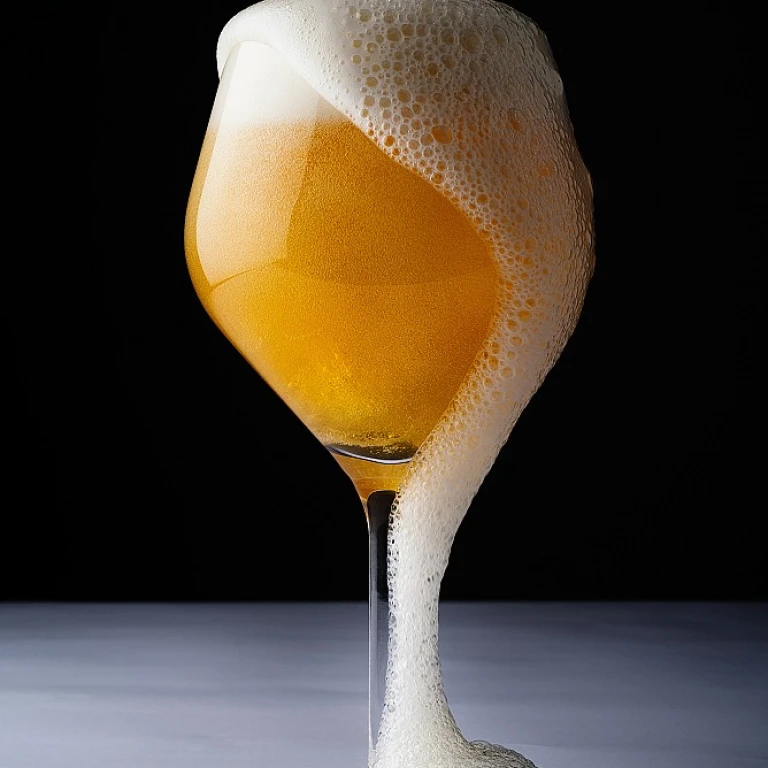
Imported beer : what makes it different
What sets imported beer apart from local brews?
Imported beer stands out thanks to its unique blend of ingredients, brewing methods, and cultural heritage. When you enjoy a beer from another country, you’re tasting a piece of its history and craftsmanship. These beers often feature flavors, aromas, and styles that are hard to find in domestic selections.
- Distinctive ingredients: Many imported beers use local hops, malts, and yeasts, giving them flavors that reflect their region of origin.
- Traditional brewing techniques: Some breweries follow centuries-old recipes and methods, while others blend tradition with innovation.
- Variety of styles: From Belgian ales to German lagers, imported beers offer a wide range of tastes and experiences.
Exploring imported beer can also introduce you to rare and complex styles, such as quadrupel beer, known for its rich flavors and strong character. As you continue your journey, you’ll encounter breweries with fascinating histories and traditions, and learn how to taste and appreciate these international gems.
Breweries and brewing traditions from Belgium, Germany, and Canada
Rich brewing cultures from around the globe
When you sip an imported beer, you’re tasting more than just hops and malt—you’re experiencing centuries of brewing heritage. Each country brings its own traditions, ingredients, and brewing methods, making every bottle unique. Let’s take a closer look at three countries that have shaped the world of imported beer.
- Belgium: Famous for its Trappist ales, fruity lambics, and complex saisons, Belgian breweries are often family-run or even operated by monks. Their beers are known for bold flavors, creative yeast strains, and a deep respect for tradition.
- Germany: Home of the Reinheitsgebot (beer purity law), German brewers focus on quality and consistency. From crisp pilsners to malty bocks and refreshing wheat beers, German styles are celebrated for their balance and drinkability.
- Canada: Canadian breweries blend European influences with local ingredients. You’ll find everything from classic lagers to innovative craft ales, often featuring regional twists like maple or wild berries.
Curious about how these traditions translate into taste? Check out this article on exploring the flavors of Krush beer for a closer look at how international brewing styles inspire new creations.
As you continue your journey, you’ll see how these backgrounds influence the tasting experience and the variety of flavors available in imported beer packs.
Tasting imported beer : how to learn and enjoy
Tips for savoring imported beers
- Choose the right glass: The shape of your glass can enhance aromas and flavors. For example, a tulip glass is perfect for Belgian ales, while a stein suits German lagers.
- Mind the temperature: Serve lighter beers colder and stronger, maltier beers slightly warmer to bring out their complexity.
- Observe the pour: Pour gently to avoid too much foam, but allow a small head to release the beer’s bouquet.
How to taste like a pro
- Look: Notice the color, clarity, and foam. These can hint at the beer’s style and ingredients.
- Smell: Swirl your glass and inhale. Imported beers often feature unique yeast, hops, or malt aromas from their country of origin.
- Taste: Take a sip and let it linger. Try to identify flavors like spice, fruit, caramel, or herbal notes.
- Finish: Pay attention to the aftertaste. Some imported beers leave a crisp, clean finish, while others are rich and lingering.
Pairing and sharing
- Enjoy imported beers with food from their region—think German lagers with pretzels or Belgian ales with cheese.
- Host a tasting night with friends, featuring a mix of styles from different countries. Compare notes and preferences for a fun, educational experience.
For those interested in American craft options, check out this guide on the best American pale ale in Tampa Bay to expand your tasting journey even further.
Great flavors and featured packs to try
Imported beer packs: a world of flavors in one box
If you want to experience the diversity of imported beers, featured packs are a great way to start. These curated selections bring together bottles and cans from different countries, letting you taste the unique brewing styles and traditions discussed earlier.- Belgian variety packs: Expect rich Trappist ales, fruity lambics, and spicy saisons. These packs often highlight the complexity and balance Belgian brewers are famous for.
- German tasting sets: Sample crisp pilsners, malty bocks, and refreshing wheat beers. German packs showcase the purity and tradition of their brewing laws.
- Canadian craft collections: Discover bold IPAs, smooth lagers, and creative seasonal releases. Canadian breweries often blend European heritage with North American innovation.
How to choose the right pack for your palate
- Look for packs that offer a mix of styles if you enjoy variety.
- If you prefer a specific flavor profile, such as malty or hoppy, select a themed pack focused on that style.
- Read tasting notes and brewery backgrounds to enhance your appreciation of each beer.
Pairing imported beers with food
Imported beers can elevate your meals. Try pairing a Belgian dubbel with roasted meats, a German hefeweizen with seafood, or a Canadian pale ale with grilled vegetables. The flavors in these beers complement a wide range of dishes, making your beer day even more memorable.Beer news and recipes for your next beer day
Fresh updates from the world of imported beer
- New arrivals: Breweries from Belgium and Germany are releasing limited-edition brews this season, featuring unique yeast strains and traditional methods. Keep an eye out for seasonal packs that highlight these brewing cultures.
- Collaboration brews: Canadian craft brewers are teaming up with European counterparts, blending classic recipes with modern twists. These collaborations often result in exciting, small-batch releases perfect for adventurous palates.
- Beer festivals: International beer festivals are making a comeback, offering a chance to sample rare imports and meet passionate brewers. These events are a great way to expand your tasting experience and learn more about brewing traditions.
Easy recipes to pair with your imported beer
- Belgian-style mussels: Steam fresh mussels in a light Belgian ale with garlic, shallots, and parsley. The subtle sweetness of the beer enhances the seafood flavors.
- German pretzels: Bake soft pretzels and serve them warm with a tangy mustard dip. They pair perfectly with crisp German lagers or wheat beers.
- Canadian poutine: For a hearty snack, top crispy fries with cheese curds and a rich brown gravy. Enjoy with a malty Canadian ale for a comforting combination.
Whether you’re sampling new flavors or planning a themed beer night, imported beers offer endless possibilities for enjoyment and discovery. Stay tuned for more updates and inspiration from the vibrant world of international brewing.