
Gulden draak’s roots at van steenberge brewery
The family behind the legend
Gulden Draak’s story begins with the Van Steenberge Brewery, a family-run operation in Belgium’s East Flanders region. Passed down through generations, the brewery has always balanced tradition with innovation. The Van Steenberge family’s commitment to quality and authenticity laid the foundation for what would become one of the world’s most iconic strong dark ales.
Over the years, the brewery’s expertise in crafting robust, complex beers has only grown. Their approach combines time-honored Belgian brewing methods with a willingness to experiment—an attitude that led to the creation of Gulden Draak’s unique character. This spirit of innovation is also reflected in other breweries worldwide, such as those highlighted in this look at creative brewing traditions.
What truly sets Gulden Draak apart is not just its rich history, but also the way it’s made. The use of secondary fermentation and wine yeast, explored further in the next section, gives this beer its signature depth and complexity. The Van Steenberge Brewery’s dedication to excellence ensures that every bottle of Gulden Draak carries a piece of Belgian brewing heritage.
The magic of secondary fermentation and wine yeast
The unique role of wine yeast in brewing
One of the most fascinating aspects of Gulden Draak is its use of wine yeast during secondary fermentation. Unlike many traditional Belgian ales that rely solely on beer yeast, Gulden Draak’s brewers introduce a special wine yeast after the primary fermentation is complete. This step is not just a technical detail—it’s a key reason behind the beer’s complex character and longevity.
- Enhanced flavors: The wine yeast brings out subtle fruity and vinous notes, adding depth and a touch of elegance to the beer’s profile.
- Natural carbonation: Secondary fermentation in the bottle creates a lively, persistent effervescence, contributing to the beer’s creamy mouthfeel.
- Extended aging potential: Thanks to this process, Gulden Draak can mature gracefully over time, developing new layers of aroma and flavor.
This innovative approach sets Gulden Draak apart from many other strong dark ales, making it a favorite among those who appreciate both tradition and creativity in brewing. If you’re interested in how other Belgian beers experiment with yeast and fermentation, check out this guide to the flavors of Krush beer for more insights.
Tasting gulden draak: appearance, aroma, and flavor
First impressions: a feast for the senses
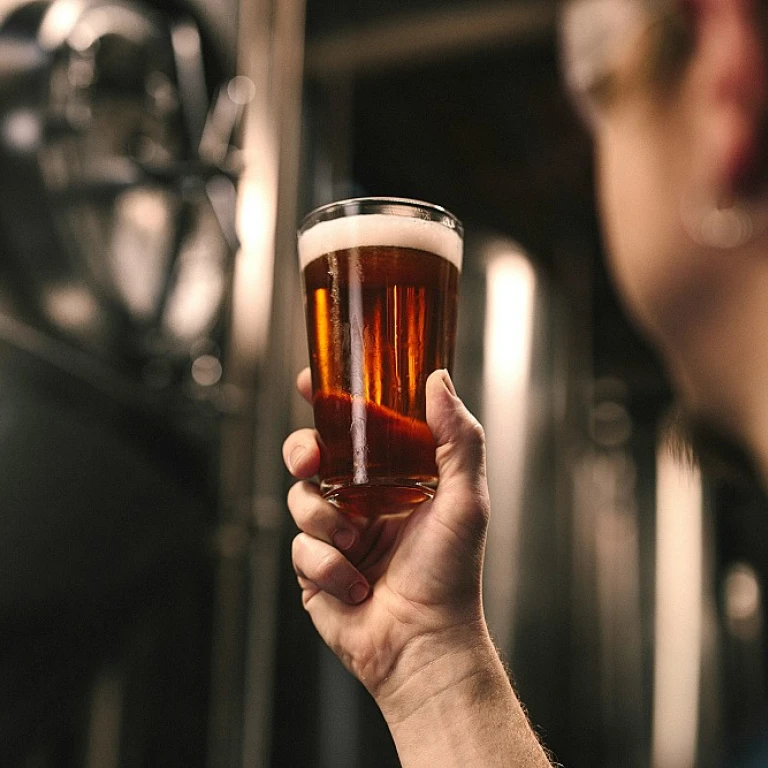
Pouring Gulden Draak into a glass is an experience in itself. The beer reveals a deep, ruby-brown color crowned by a creamy, tan head that lingers. This inviting appearance hints at the richness within, setting the stage for what’s to come.
Complex aromas that intrigue
Bring the glass to your nose and you’ll notice layers of aroma. There’s a blend of dark fruits—think figs, raisins, and plums—alongside hints of caramel, roasted malt, and a subtle warmth from the alcohol. The unique yeast, as mentioned earlier, adds a touch of spice and a faint vinous note, reminiscent of fortified wine.
Flavor profile: bold, balanced, unforgettable
- Initial sip: Sweet maltiness greets the palate, quickly joined by flavors of toffee, chocolate, and dried fruit.
- Mid-palate: The beer’s full body is balanced by a gentle bitterness and a touch of warming alcohol, making each sip feel luxurious.
- Finish: A lingering, slightly spicy finish comes from the special yeast and secondary fermentation, leaving you wanting another taste.
Gulden Draak’s complexity makes it a favorite among those who appreciate Belgian strong ales. Its rich flavors and aromas invite slow sipping and thoughtful appreciation, much like other beloved brews. If you enjoy exploring unique beer profiles, you might also be interested in what makes Great White Beer from Lost Coast Brewery a favorite for many enthusiasts.
Why beer lovers order gulden draak again and again
What keeps fans coming back for more?
Gulden Draak has a loyal following, and it’s easy to see why. This beer stands out in a crowded world of Belgian brews, offering a unique experience that draws enthusiasts back time and again. Here’s what makes it a repeat favorite:
- Unforgettable flavor profile: The rich, layered taste—developed through its special fermentation process—delivers a balance of sweetness, roasted malt, and subtle bitterness. Each sip reveals new nuances, making it a beer you want to revisit.
- Distinctive character: Thanks to the use of wine yeast, Gulden Draak has a depth and complexity that sets it apart from other strong ales. This character appeals to those who appreciate both tradition and innovation in brewing.
- Perfect for sharing: Whether enjoyed with friends or savored alone, its bold flavors and warming strength make it a popular choice for special occasions and relaxed evenings alike.
- Consistent quality: The Van Steenberge Brewery’s dedication to craftsmanship ensures that every bottle meets high standards, so fans know exactly what to expect each time they order.
For many beer lovers, Gulden Draak isn’t just a drink—it’s an experience worth repeating. Its combination of history, brewing artistry, and memorable taste keeps it at the top of the list for those seeking something truly special in their glass.
From barrel to bottle: how gulden draak is made
The journey from brewing kettle to iconic bottle
Gulden Draak’s production is a fascinating blend of tradition and innovation. Each step is carefully managed to ensure the beer’s signature depth and complexity.- Mashing and boiling: The process begins with high-quality malted barley, which is mashed to extract fermentable sugars. Hops are added during boiling, lending a subtle bitterness that balances the rich malt profile.
- Primary fermentation: After cooling, the wort is transferred to fermentation tanks. Here, the brewery’s house yeast strain gets to work, converting sugars into alcohol and developing the beer’s initial flavors.
- Secondary fermentation with wine yeast: What truly sets Gulden Draak apart is its secondary fermentation. Wine yeast is introduced, a technique that enhances the beer’s complexity and imparts unique fruity and vinous notes, as mentioned earlier in the article.
- Bottling and maturation: The beer is bottled with a small dose of sugar and additional yeast. This triggers a final fermentation in the bottle, creating natural carbonation and allowing flavors to evolve further over time.